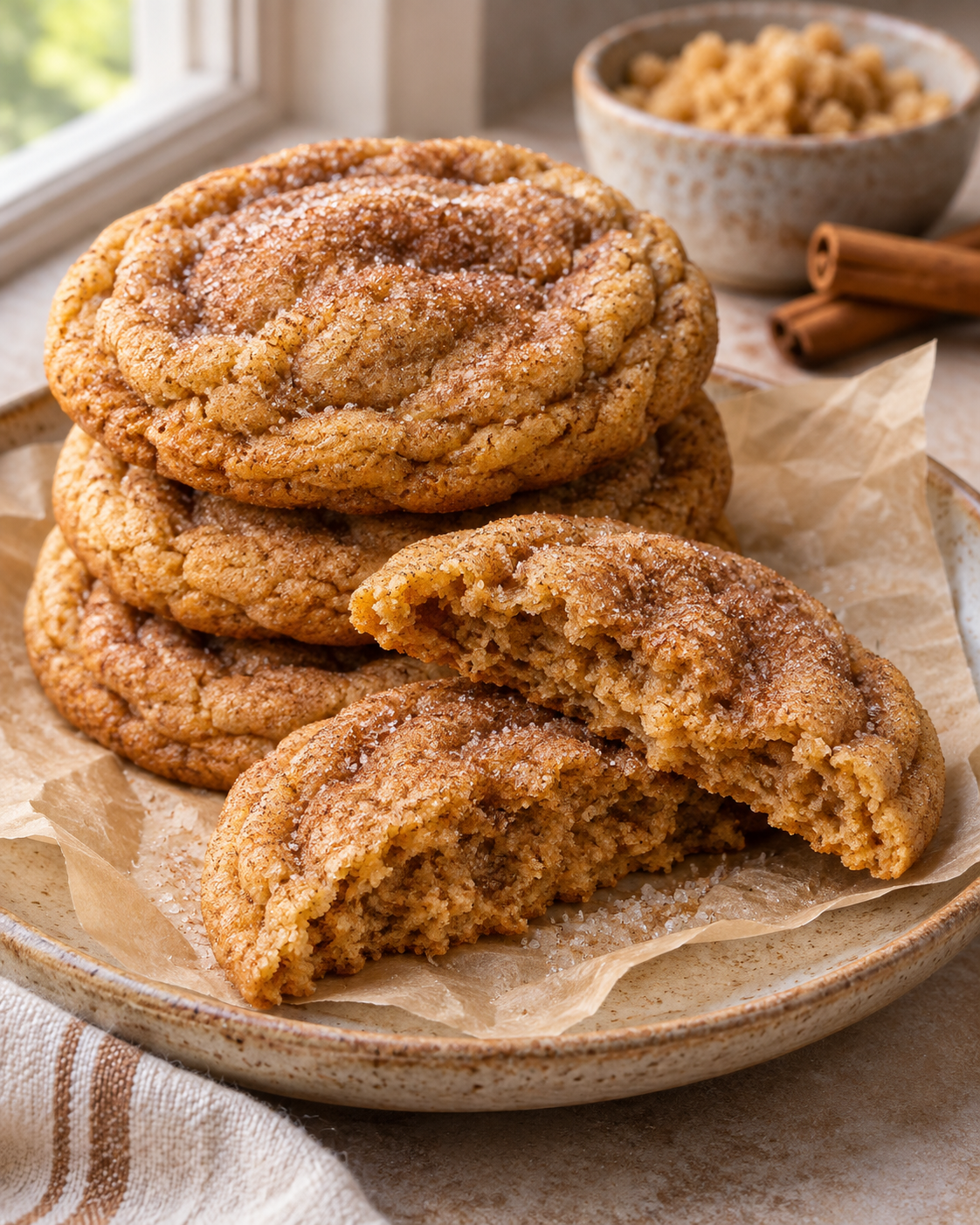
Brown Sugar Cinnamon Cookies: Soft, Chewy & Easy
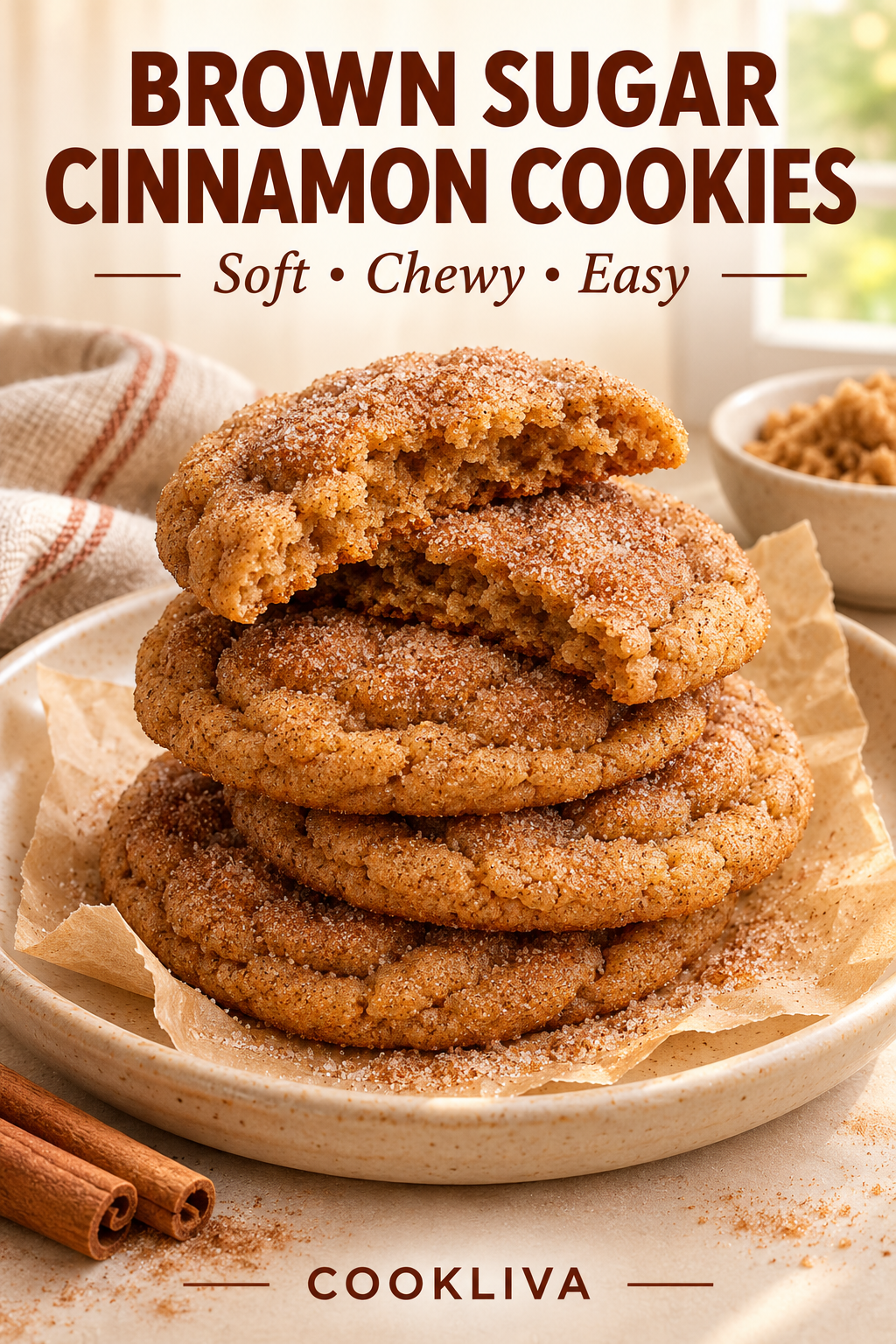
Brown sugar cinnamon cookies are soft in the middle, gently crisp at the edges, and warmly spiced with cinnamon. This small-batch-friendly recipe uses pantry staples, a short chill, and a cinnamon-sugar coating for a crackly finish. Plan on about 20 minutes of hands-on prep, 30 minutes of chilling, and 10–12 minutes in the oven.

QUICK ANSWER
To make soft brown sugar cinnamon cookies, cream softened butter with packed brown sugar, mix in an egg and vanilla, then fold in flour, baking soda, salt, and cinnamon. Chill the dough for 30 minutes, roll it in cinnamon sugar, and bake at 350°F (175°C) until the edges are set and the centers still look slightly soft.
QUICK OVERVIEW
- Yield: about 18 cookies
- Prep time: 20 minutes
- Chill time: 30 minutes
- Bake time: 10–12 minutes per tray
- Total time: about 1 hour 5 minutes, including a short cooling period
- Texture: chewy centers with lightly crisp, cinnamon-sugar tops
WHY YOU’LL LOVE THESE COOKIES
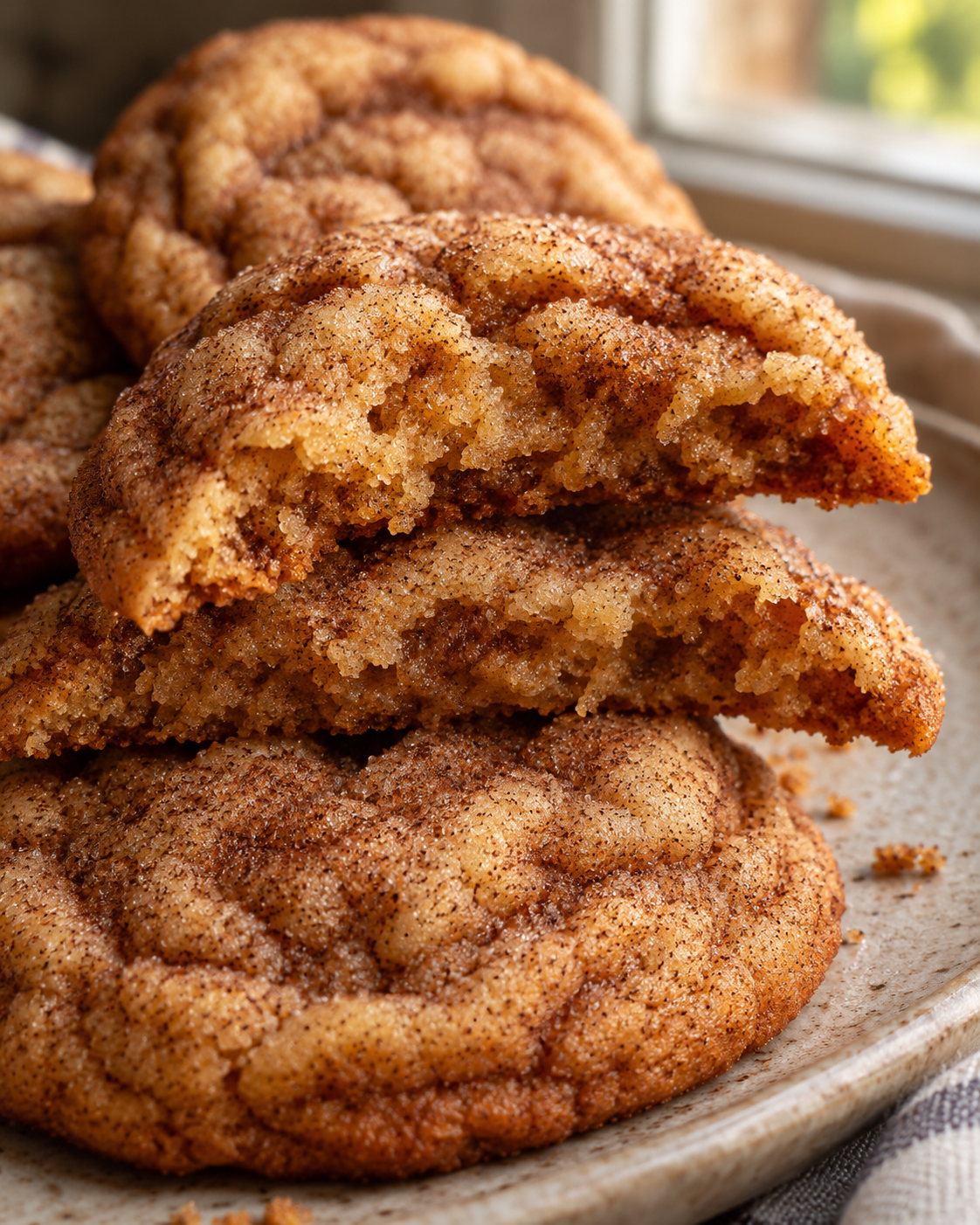
These cookies bring together the familiar caramel-like flavor of brown sugar and the sweet warmth of cinnamon. Brown sugar adds moisture as well as sweetness, so the centers stay pleasantly chewy. A quick roll in cinnamon sugar adds a delicate crunch and makes the tops look beautifully crackled.
The dough is straightforward: there is no mixer attachment or unusual ingredient to track down. You can mix it by hand with a sturdy spoon, chill it while the oven heats, and bake one tray at a time. If you enjoy warmly spiced bakes, try Cookliva’s Salted Honey Cinnamon Cookies for another cinnamon-forward cookie, or the rich layers in Chocolate Mint Cookies.
WHAT MAKES THIS RECIPE WORK
A few small details make a noticeable difference. Softened butter blends evenly with brown sugar, while a single egg binds the dough. Baking soda gives the cookies lift and helps them spread; cinnamon flavors the dough, and a cinnamon-sugar coating creates a lightly crisp outside. Chilling firms the butter so the cookies spread more gradually in the oven. For more background on cookie dough temperature and mixing, see King Arthur Baking’s cookie tips.
INGREDIENTS
This adapted version makes approximately 18 medium cookies. Weighing the flour is the most reliable way to keep the dough from turning dry; if using cups, spoon flour into the cup and level it without packing.
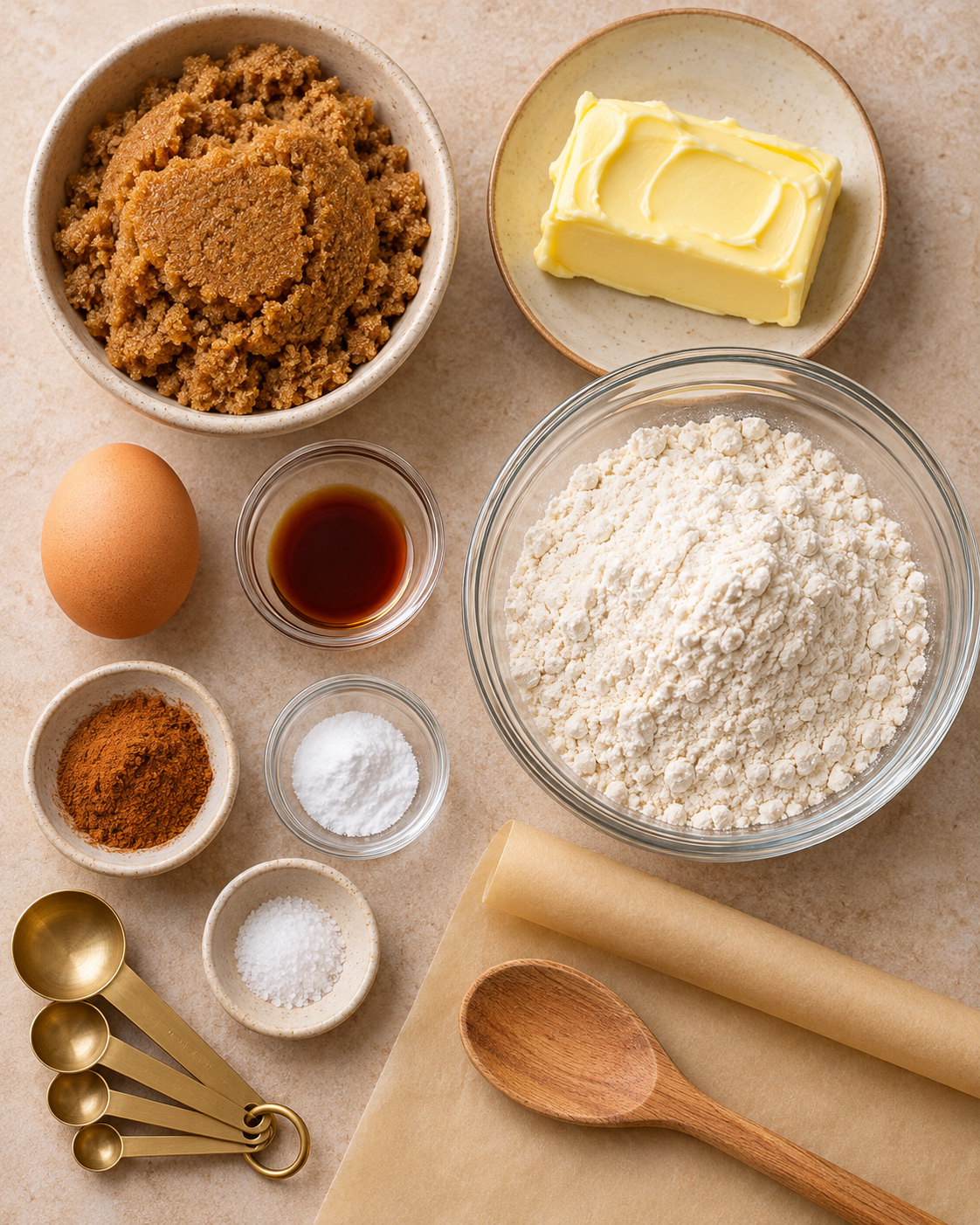
- ½ cup (113 g) unsalted butter, softened: Let it sit until it yields to a gentle press but is not shiny or melted.
- ¾ cup (150 g) packed light brown sugar: Pack it into the measuring cup. Dark brown sugar also works and gives a deeper molasses note.
- 1 large egg, room temperature: Helps bind the dough and supports a tender middle.
- 1 teaspoon vanilla extract: Rounds out the butter and spice flavors.
- 1¾ cups (220 g) all-purpose flour: Provides structure.
- ½ teaspoon baking soda: Helps the cookies rise and spread.
- ¼ teaspoon fine salt: Balances the sweetness; use ⅛ teaspoon if your butter is salted.
- 1½ teaspoons ground cinnamon: Adds a clear cinnamon flavor without overpowering the brown sugar.
- For coating: ¼ cup (50 g) granulated sugar mixed with 1 teaspoon ground cinnamon.
INSTRUCTIONS
- Prepare the pans. Line two light-colored baking sheets with parchment. Set a rack in the center of the oven and preheat to 350°F (175°C). If your oven tends to run hot, check its temperature with an oven thermometer.
- Combine the dry ingredients. In a medium bowl, whisk the flour, baking soda, salt, and 1½ teaspoons cinnamon until evenly distributed. Set aside.
- Cream the butter and sugar. In a larger bowl, stir or beat the softened butter and brown sugar for about 2 minutes, until creamy and evenly blended. It should look fluffy but not greasy.
- Add egg and vanilla. Mix in the egg and vanilla until smooth. Scrape down the sides of the bowl so no streaks of butter remain.
- Make the dough. Add the dry mixture in two additions. Stir just until the last traces of flour disappear. Stop mixing as soon as the dough comes together; overmixing can make cookies firm.
- Chill. Cover the bowl and refrigerate for 30 minutes. This makes the dough easier to scoop and helps limit excess spread. If chilling longer than 2 hours, let it sit at room temperature for 10–15 minutes before scooping.
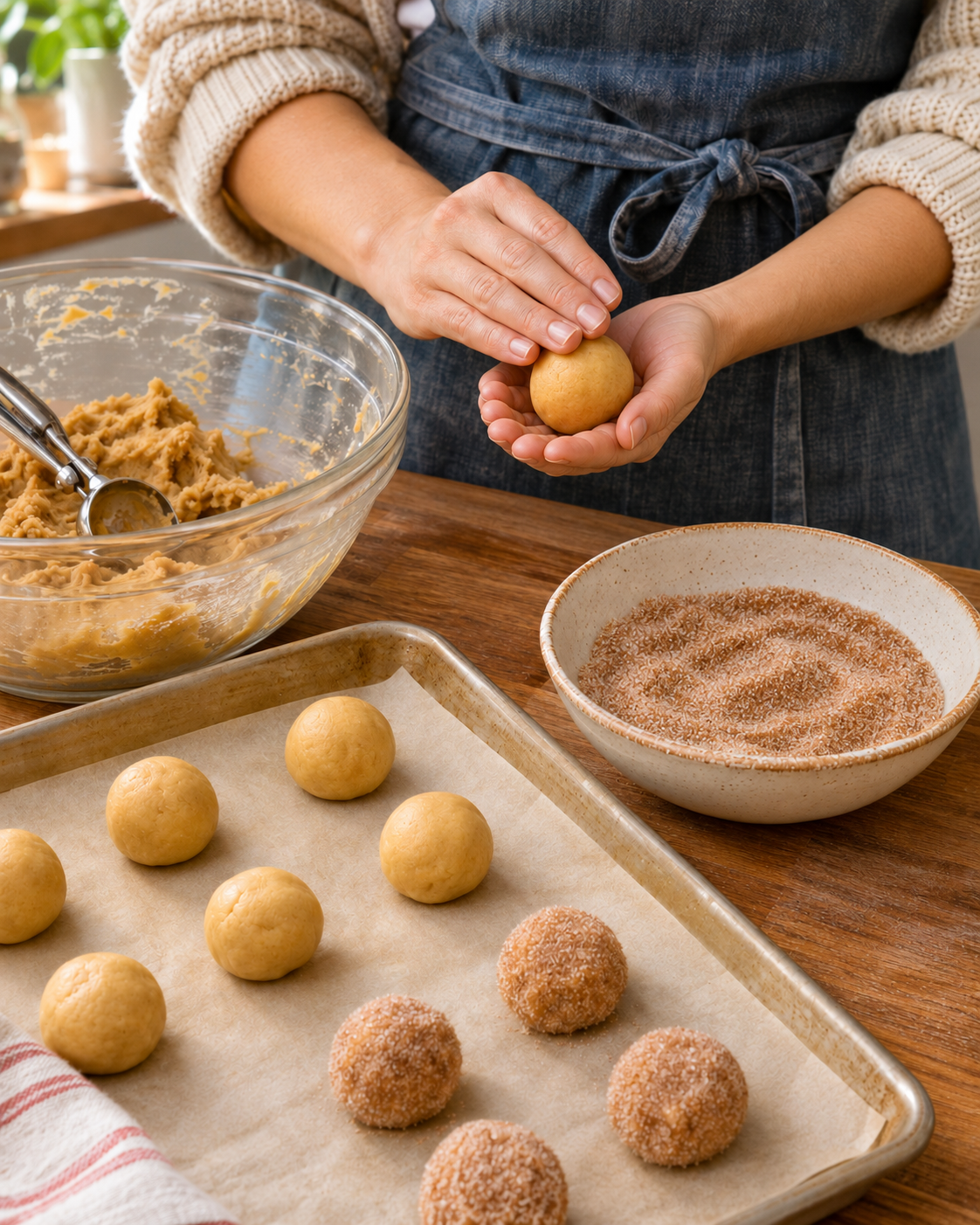
- Shape and coat. Stir together the coating sugar and cinnamon in a small bowl. Scoop dough into balls of about 1½ tablespoons each. Roll each ball in the cinnamon sugar and place them 2 inches apart on the prepared sheets.
- Bake one tray at a time. Bake for 10–12 minutes, until the edges look set and lightly golden while the centers remain slightly soft. Rotate the pan once only if your oven browns unevenly.
- Set and cool. Leave the cookies on the baking sheet for 5 minutes; they will finish setting from the residual heat. Transfer to a wire rack to cool. For rounder cookies, gently nudge the edges into shape with a round cutter while they are still warm.
TIPS FOR SOFT, CHEWY COOKIES
- Measure flour carefully. Too much flour is a common reason cookies turn cakey or dry. A scale is best; otherwise spoon flour into the cup and level it.
- Use softened, not melted, butter. Butter that is too warm can make dough greasy and cookies spread thin. The butter should indent when pressed but still hold its shape.
- Keep the chill. A 30-minute rest firms the dough and helps create a thicker cookie. If the kitchen is warm or the dough feels sticky, chill it for another 15–20 minutes.
- Watch the centers. Take the tray out when the edges have set but the centers still look a little underdone. They continue cooking on the hot pan.
- Use a cool baking sheet for the next batch. Dough placed on a hot pan can spread before it reaches the oven. Let the sheet cool between batches.
FLAVOR VARIATIONS AND SWAPS
Keep the base ratios the same and change just one element at a time so the dough remains balanced.
- Extra-spiced: Add ¼ teaspoon ground ginger or cardamom to the dry ingredients.
- Brown butter: Brown the butter, then cool it until soft and opaque before mixing. Since browned butter loses water, add 1 teaspoon milk if the dough seems crumbly.
- Maple cinnamon: Replace the vanilla with ½ teaspoon maple extract. Avoid adding liquid syrup, which can change the dough texture.
- Chocolate chip: Fold in ½ cup mini chocolate chips after the flour is incorporated.
- Thicker cookies: Chill the shaped dough balls for 15 minutes and bake straight from the refrigerator.
COMMON COOKIE MYTHS AND MISTAKES
“More flour always makes cookies sturdier.”
Extra flour can make dough easier to handle, but it can also produce a dry, bready cookie. If the dough seems soft, chilling is a better first step than adding flour. Flour is easy to overmeasure when scooped directly with a measuring cup because it compresses. Weighing 220 g gives the most consistent result; otherwise spoon the flour loosely into the cup and level it. If you have already added too much flour, a teaspoon of milk may help bring a crumbly dough together, but add it gradually.
“Cookies should come out of the oven completely firm.”
That usually means they have baked too long. The centers continue to set for several minutes on the hot sheet after baking. Pulling them when the rims are set and the middle still looks a touch soft is the key to a chewy center. Ovens and pans vary, so use the visual cues as well as the timer: the edges should be lightly golden, not dark brown. Let them rest on the baking sheet before moving them to a rack.
“You can taste the raw dough to check the seasoning.”
Do not taste dough made with raw flour or egg. Raw flour and uncooked eggs can carry germs that cause foodborne illness; baking is what makes the dough safe to eat. To check the spice balance, smell the dry mixture or bake one test cookie and adjust the remaining dough only after it has been cooked. Wash hands, bowls, utensils, and counters after handling raw dough. The CDC’s raw flour and dough guidance explains the risks and safe handling steps.
HOW TO SERVE
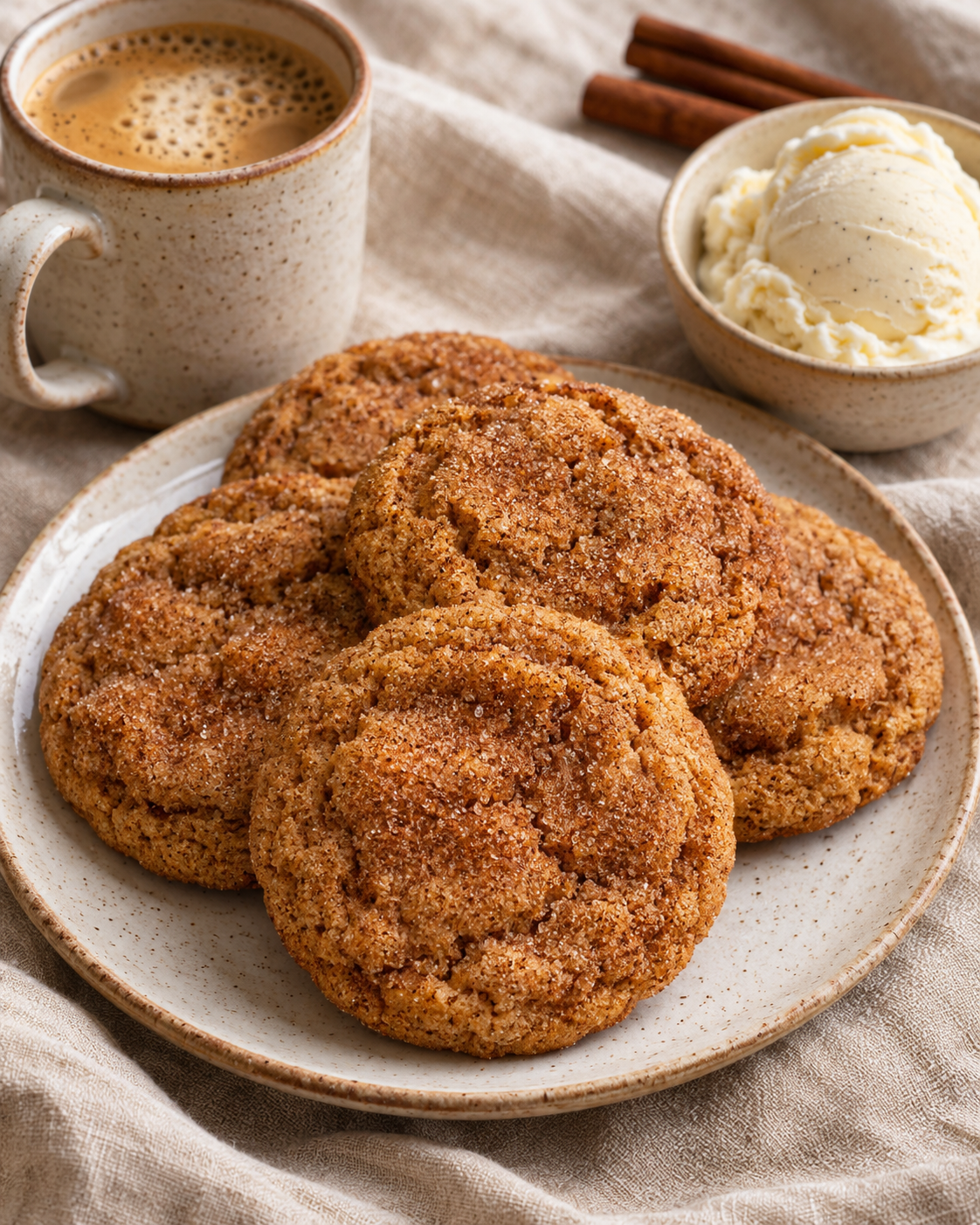
Serve the cookies slightly warm with coffee, tea, or a glass of milk. For dessert, pair one with vanilla ice cream or crumble it over baked apples. Their cinnamon-sugar finish also makes them an easy addition to a cookie box; allow them to cool completely before stacking so steam does not soften the coating.
STORAGE AND MAKE-AHEAD
Once completely cool, keep the cookies in an airtight container at room temperature for up to 4 days. Add a small piece of parchment between layers if stacking. Freeze baked cookies in a sealed freezer-safe container for up to 2 months; thaw at room temperature. You can also freeze the uncoated dough balls on a tray, then transfer them to a freezer bag. Roll the frozen balls in cinnamon sugar and bake from frozen, adding roughly 1–3 minutes and checking for the same visual cues.
Refrigerate dough that contains egg while you wait to bake it. Avoid leaving raw dough at room temperature for an extended period, and do not eat it uncooked.
IS THIS RECIPE HEALTHY?
These are classic sweet cookies, so they are best enjoyed as a dessert rather than described as a health food. The nutrition estimate below is approximately 140 calories per cookie when the batch makes 18; actual values vary with cookie size, ingredient brands, and how much coating sticks. For a smaller treat, make 24 cookies and begin checking them a minute earlier.
FREQUENTLY ASKED QUESTIONS
Can I make the dough ahead?
Yes. Cover and refrigerate the dough for up to 24 hours, then let it sit on the counter briefly if it is too firm to scoop. You can also freeze portioned dough balls for about 2 months. For baking from frozen, coat them in cinnamon sugar while still frozen and add a couple of minutes to the bake time, checking the edges and centers before removing the tray.
Why did my cookies spread too much?
The butter may have been too warm, the baking sheet may have been hot, or the dough may not have chilled long enough. Measure flour accurately and check that the oven is fully preheated. For the next tray, chill the dough balls for 15 minutes and use a cool parchment-lined pan. If the first tray is already in the oven, the cookies may still taste good even if they are thinner; shorten the bake slightly to keep them from drying out.
Can I use dark brown sugar?
Yes. Dark brown sugar contains more molasses flavor, so the cookies will taste deeper and slightly less delicate. It can also make them a little moister. Keep the amount the same and expect a darker color; use the edges and center texture, rather than color alone, to judge doneness. The cinnamon-sugar coating still works exactly as written.
Can I skip the cinnamon-sugar coating?
Yes. The cookies will still have cinnamon in the dough and will be a little less crisp and sparkly on the outside. If you prefer a softer top, skip the coating and bake the dough balls as they are. You can also press a few grains of coarse sugar onto each ball before baking for a subtle crunch without the full cinnamon-sugar layer.
How do I keep the cookies soft?
Take them out when the edges are set but the centers are still soft, and let them finish setting on the pan. Store them only after they are fully cool, in an airtight container. Avoid baking every tray for the full 12 minutes automatically; smaller cookies and dark pans may finish sooner. If the cookies have been stored for a day or two, warming one briefly can restore a just-baked feel.
FINAL THOUGHTS
These brown sugar cinnamon cookies are a simple, dependable bake with chewy centers, lightly crisp edges, and a fragrant cinnamon-sugar coating. Measure the flour carefully, chill the dough, and remove the cookies while their centers are still soft. Keep a batch for an everyday treat or freeze dough balls so warm cookies are easy to bake later.
RECIPE AT A GLANCE
Brown Sugar Cinnamon Cookies
Yield: 18 cookies | Prep: 20 minutes | Chill: 30 minutes | Bake: 10–12 minutes | Oven: 350°F (175°C)
Ingredients: ½ cup (113 g) unsalted butter, softened; ¾ cup (150 g) packed light brown sugar; 1 large egg; 1 teaspoon vanilla extract; 1¾ cups (220 g) all-purpose flour; ½ teaspoon baking soda; ¼ teaspoon fine salt; 1½ teaspoons ground cinnamon. Coating: ¼ cup (50 g) granulated sugar and 1 teaspoon ground cinnamon.
Method: Whisk flour, baking soda, salt, and cinnamon. Cream butter and brown sugar; mix in egg and vanilla. Stir in dry ingredients just until combined. Chill 30 minutes. Scoop into 1½-tablespoon balls, coat in cinnamon sugar, and bake at 350°F (175°C) for 10–12 minutes. Cool on the pan for 5 minutes, then transfer to a rack.
SAVE THIS RECIPE ON PINTEREST
Save this recipe pin to your Pinterest board so you can find these soft, chewy cinnamon cookies when you’re ready to bake.