Cranberry Orange Loaf

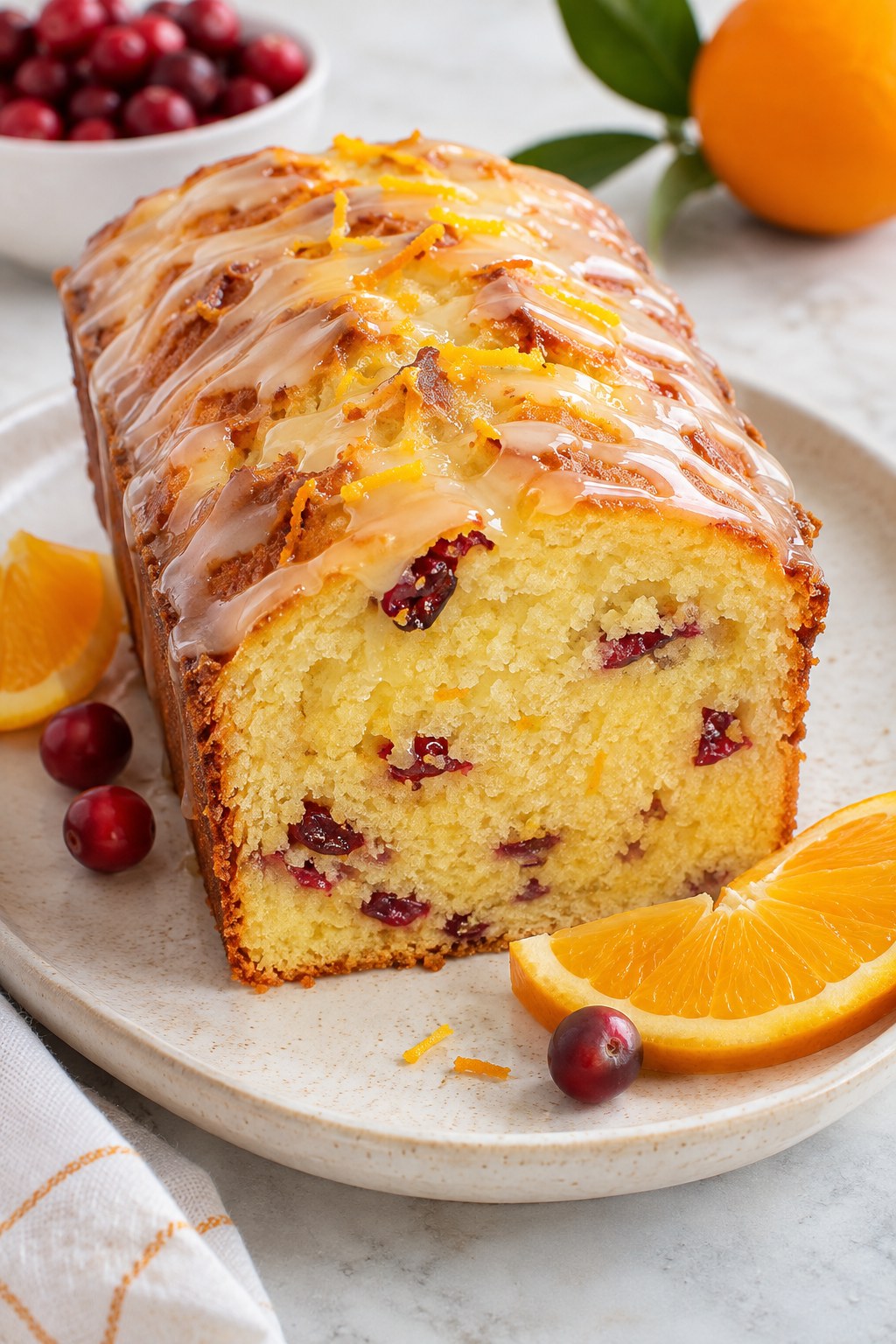
This cranberry orange loaf is soft, rich, and finished with a simple orange glaze that settles into the top. Sour cream makes the crumb tender, while dried cranberries give each slice a chewy, sweet-tart bite.
Cranberry orange loaf preparation takes about 20 minutes, followed by 50–60 minutes of baking and a short cooling period. The recipe makes one 9-by-5-inch loaf, about 10 generous slices, with an estimated 4 grams of protein per slice.
QUICK ANSWER
Cream softened butter with sugar, then beat in eggs, orange zest, and vanilla. Stir in sour cream and orange juice. Fold in the dry ingredients, then dried cranberries. Bake in a lined loaf pan at 350°F (175°C) until the center is set. Cool completely and drizzle with an orange-powdered-sugar glaze.
QUICK OVERVIEW
- Prep: 20 minutes
- Bake: 50–60 minutes
- Cool: 60 minutes
- Yield: 1 loaf, about 10 slices
- Texture: plush, moist crumb with chewy cranberry pieces
- Finish: thin orange glaze
WHY YOU’LL LOVE THIS RECIPE
This cranberry orange loaf is designed to feel more like a glazed tea loaf than the fresh-fruit quick bread in the companion quick bread collection. The sour cream enriches the batter, dried cranberries stay evenly distributed, and the orange glaze adds a sweet citrus finish. It slices neatly once cooled and looks polished enough for a brunch table or edible gift.
The method uses the creaming technique: beat softened butter and sugar until pale and fluffy, then add eggs. That step creates tiny air pockets that help the loaf rise. The sour cream should be stirred in gently after the dry ingredients begin to go in, which keeps the crumb soft rather than tough. For another citrus-forward treat, try Cookliva’s No-Bake Lemon Cheesecake Cups.
WHAT MAKES THIS RECIPE
The loaf’s key difference is moisture management. Dried cranberries add concentrated sweetness without releasing juice into the batter, and sour cream provides richness with a little acidity. The batter is thicker than a muffin batter; that helps suspend the fruit. A thin glaze adds orange flavor on the surface, so the loaf does not need extra orange juice in the batter.
INGREDIENTS
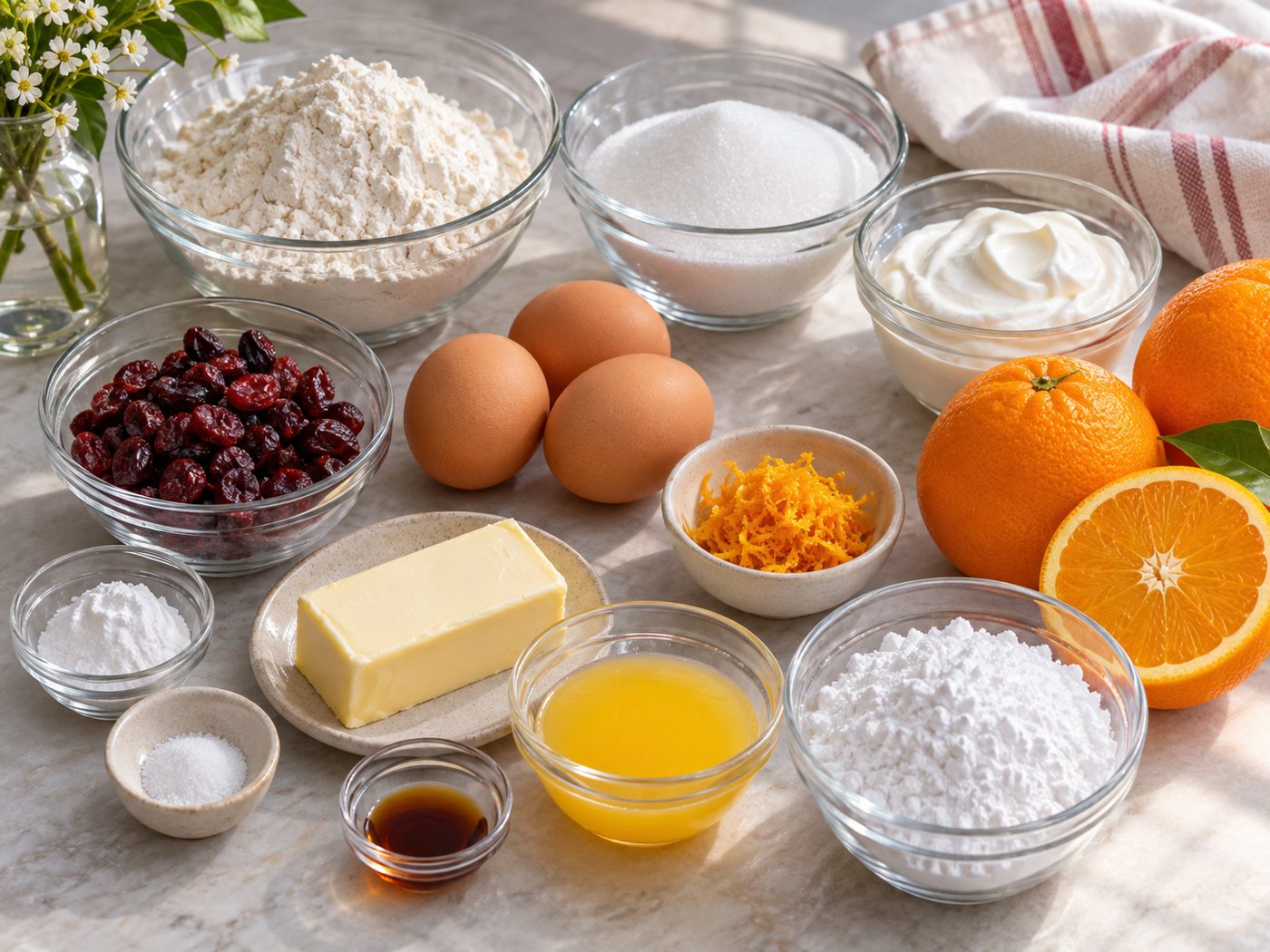
- 2 cups (250 g) all-purpose flour
- 1 teaspoon baking powder
- ½ teaspoon baking soda
- ½ teaspoon fine salt
- ½ cup (113 g) unsalted butter, softened
- ¾ cup (150 g) granulated sugar
- 2 large eggs, room temperature
- 1 tablespoon finely grated orange zest
- 1 teaspoon vanilla extract
- ¾ cup (180 g) full-fat sour cream, room temperature
- ¼ cup (60 ml) orange juice
- 1 cup (120 g) dried cranberries
- Glaze: ¾ cup powdered sugar and 1–2 tablespoons orange juice
Room-temperature butter should yield slightly when pressed but should not look greasy. Full-fat sour cream gives the most dependable texture; low-fat varieties can make the loaf a little less rich. If your dried cranberries are very firm, soak them in warm water for 5 minutes, then drain and pat thoroughly dry before adding.
INSTRUCTIONS
- Prepare the pan and oven. Heat the oven to 350°F (175°C). Grease a 9-by-5-inch loaf pan and line it with parchment paper.
- Combine dry ingredients. Whisk flour, baking powder, baking soda, and salt in a bowl.
- Cream butter and sugar. Beat butter and sugar for 2–3 minutes until lighter in color and fluffy. Scrape the bowl once.
- Add eggs and orange. Beat in the eggs one at a time, then mix in orange zest and vanilla. If the mixture looks slightly curdled, the ingredients may be cool; it will come together when the flour is added.
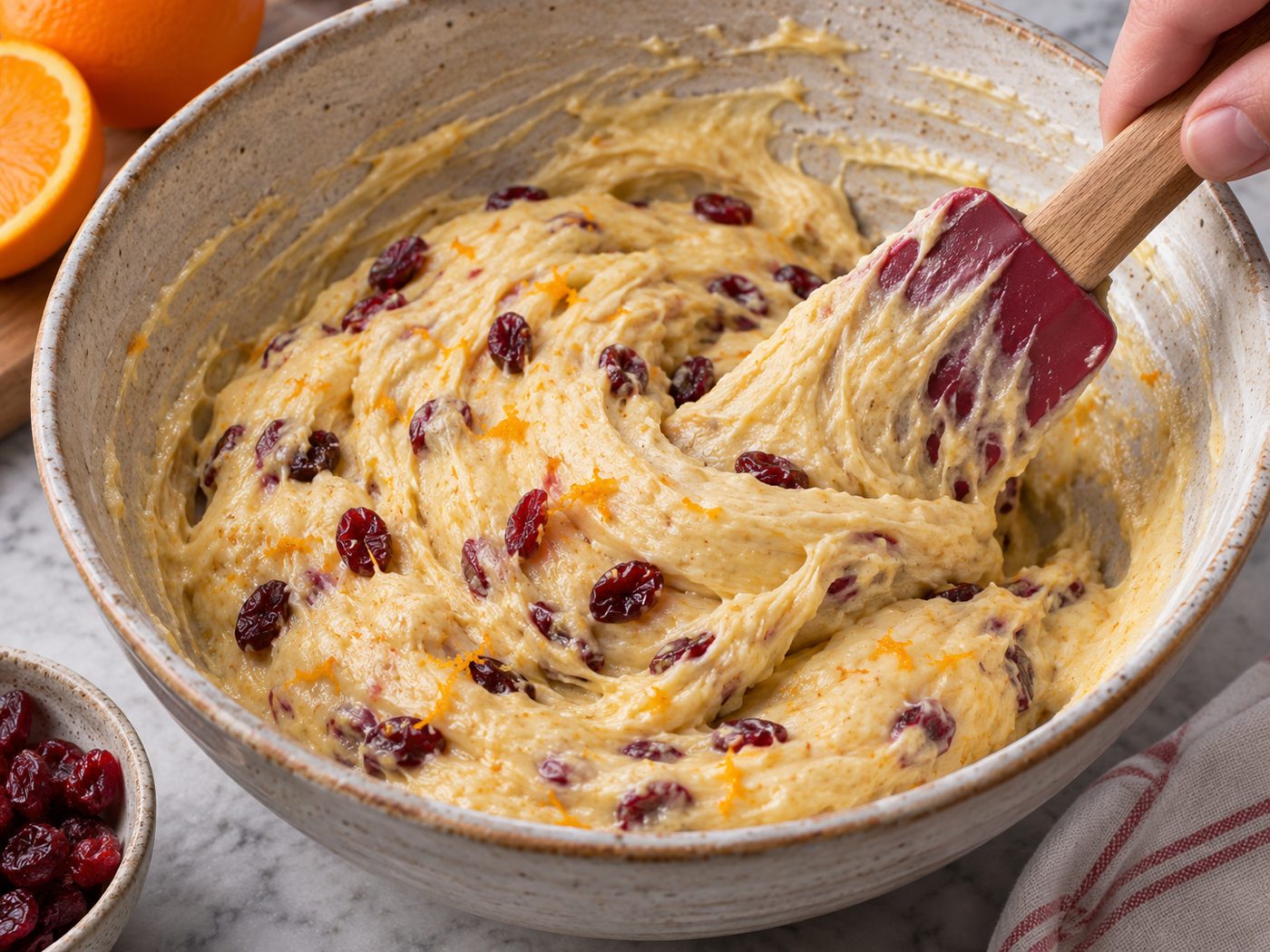
- Finish the batter. Add about one-third of the flour mixture, then half the sour cream and orange juice. Repeat, ending with flour. Mix on low just until combined. Fold in dried cranberries with a spatula.
- Bake. Spread batter evenly in the pan. Bake 50–60 minutes, tenting loosely with foil if the surface becomes deeply golden before the center is done. A tester should come out with a few moist crumbs.
- Cool and glaze. Rest the loaf in the pan for 15 minutes, then cool on a rack for at least 45 minutes. Whisk powdered sugar with orange juice until pourable and drizzle over the cool loaf.

TIPS & FLAVOR VARIATIONS
- Use softened, not melted, butter. Soft butter traps air during creaming; melted butter will create a denser loaf.
- Scrape the bowl. Butter can cling to the sides and leave uneven pockets, so scrape once after creaming and once after adding eggs.
- Alternate wet and dry additions. This limits overmixing and helps the sour cream blend evenly.
- Coat fruit lightly in flour. Toss the dried cranberries with a teaspoon of the measured flour if they tend to settle in your batter.
- Cool fully before glazing. Warm bread melts the glaze and makes it run off instead of setting.
- Add toasted pecans. Use ½ cup chopped pecans for crunch; reduce dried cranberries to ¾ cup if you want less fruit.
- Make a lemon version. Replace orange zest and juice with lemon for a sharper flavor.
- Use fresh cranberries if preferred. Chop 1¼ cups fresh berries and pat them dry; the loaf will be tarter and may need a few extra minutes.
WHAT MAKES THIS RECIPE SPECIAL
This is a deliberately soft, glazed loaf with the familiar buttery finish of a tea cake. Dried cranberries allow slices to stay tidy, while orange zest carries the citrus flavor through the batter. The glaze brings the orange to the first bite. Together, those choices make the loaf distinct from the tart, fresh-berry version: one is a cozy glazed loaf cake, the other a brighter everyday quick bread.
HOW TO SERVE CRANBERRY ORANGE LOAF
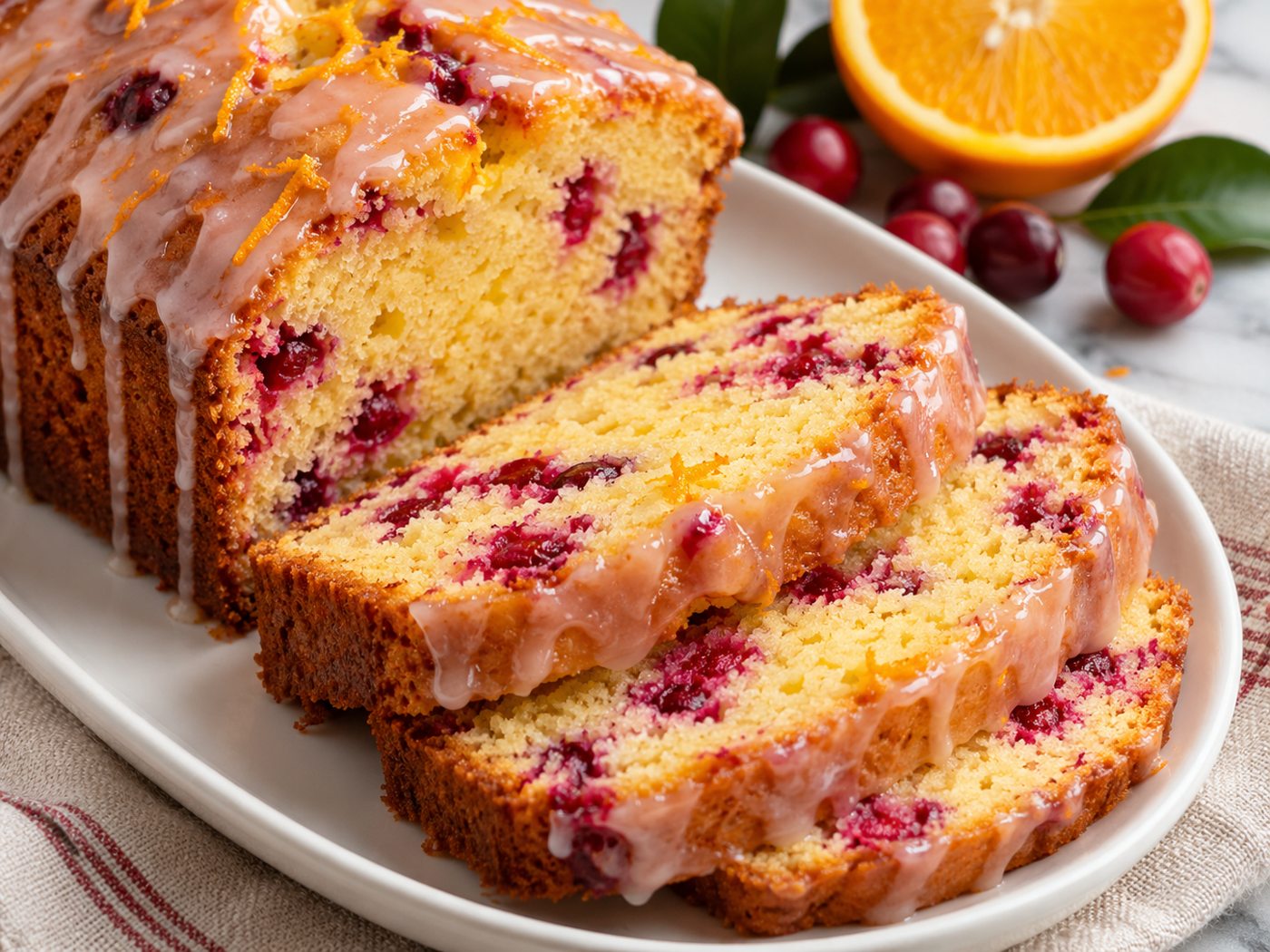
Serve at room temperature after the glaze has set. Cut with a serrated knife using a gentle sawing motion. Pair it with coffee, black tea, or a simple fruit plate. For a holiday breakfast board, add butter, yogurt, and sliced oranges. If the meal includes another seasonal dish, Cookliva’s cranberry-orange pickled pears offer a savory sweet-tart contrast.
SERVING IDEAS
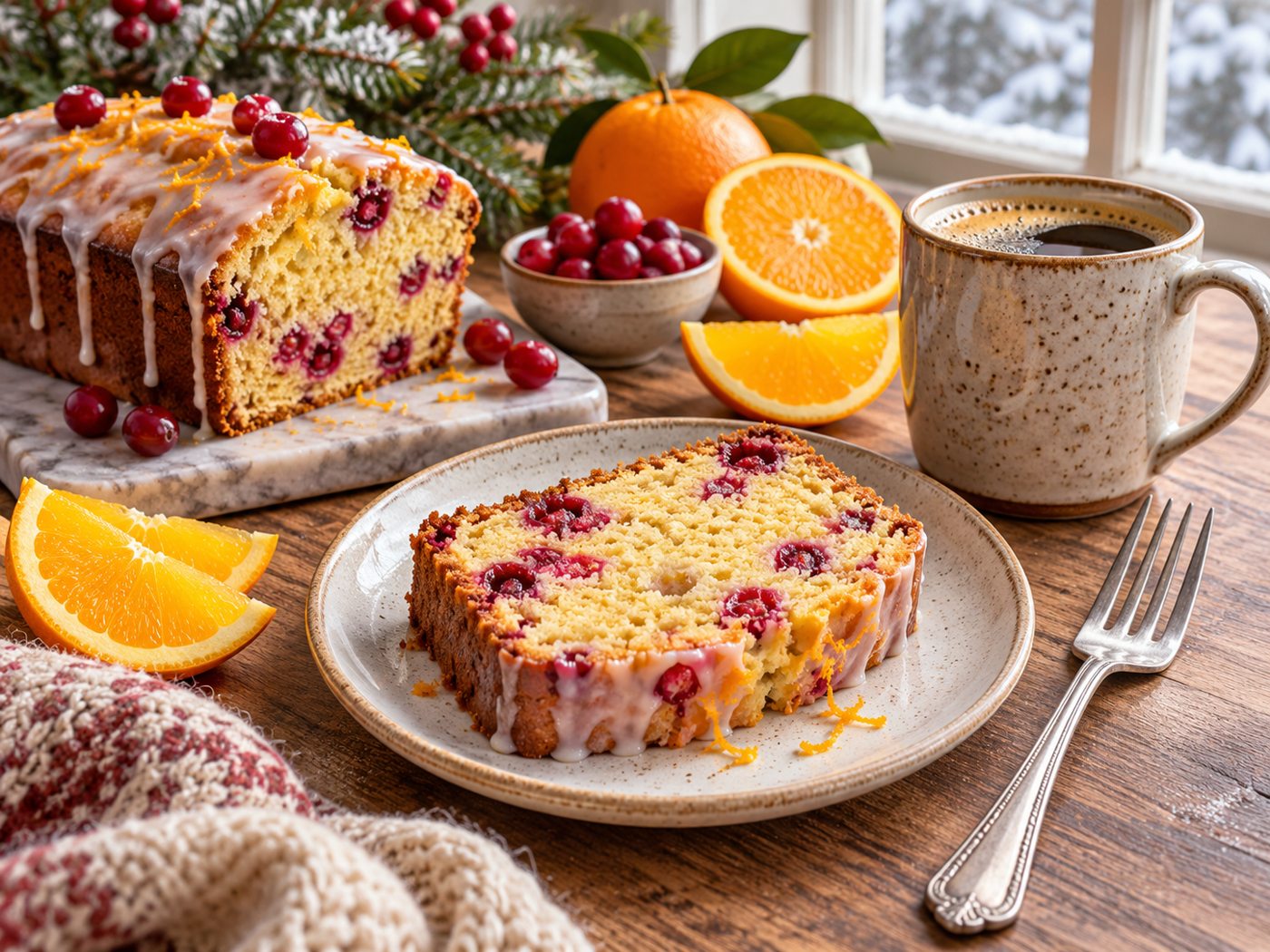
For a dessert plate, add a spoonful of lightly sweetened whipped cream and a little orange zest. For gifting, leave the loaf unglazed until it is fully cooled, wrap it in parchment and a food-safe bag, then add the glaze once the recipient is ready to serve. Thin slices also work well with a cheese board, especially alongside mild creamy cheeses.
FLAVOR VARIATIONS AND SWAPS
Stir in a pinch of cardamom for floral warmth or cinnamon for a classic winter note. Swap half of the dried cranberries for chopped dried apricots. For a crunchy top, add coarse sugar before baking and skip the glaze. A dairy-free version can use a plant-based baking stick and thick unsweetened dairy-free yogurt, though the exact rise and crumb may differ.
COMMON MYTHS & MISTAKES
Myth 1: Butter must be very soft to cream
Why people believe it: Soft butter is easier to beat and seems more likely to blend. Why it is incorrect: Butter that is greasy or nearly melted cannot hold the tiny air pockets that support a light crumb. The correct approach: Let it soften until a finger leaves a shallow dent while the butter still holds its shape. If it has become shiny or oily, chill it briefly before creaming.
Myth 2: Dried cranberries need no preparation
Why people believe it: They are ready to eat straight from the bag. Why it is incorrect: Older or drier fruit can bake up chewy and firm, which may feel out of place in a tender loaf. The correct approach: Taste one first. If it is tough, soak the berries briefly in warm water or orange juice, then drain and blot them completely dry. Wet fruit can loosen the batter and create damp streaks.
Myth 3: Glaze hides an underbaked loaf
Why people believe it: The glossy top can make a loaf look finished even when the center is not set. Why it is incorrect: Glaze only adds sweetness and shine; it cannot fix a raw middle. The correct approach: Test the center before cooling. If the top is already brown, tent it with foil and continue baking. Add glaze only after the loaf has cooled completely.
IS THIS RECIPE HEALTHY?
This is a sweet baked loaf with butter, sugar, and a glaze. A slice is estimated at about 285 calories, 4 g protein, 12 g fat, and 41 g carbohydrates, depending on slice size and ingredients. Dried cranberries can contain added sugar, so check the package if that matters to you. Choose a thinner slice or omit the glaze for a less sweet serving. Nutrition values are estimates, not medical guidance.
FAQ – FREQUENTLY ASKED QUESTIONS
Can I use fresh cranberries instead of dried?
Yes. Use about 1¼ cups fresh cranberries, rinsed, dried, and chopped. Fresh berries are more tart and contain more moisture, so the finished loaf will have bright juicy pockets rather than chewy bits. Fold them in gently and expect the center to need a few extra minutes. The dried-cranberry version is sweeter and more cake-like, which is why this recipe uses dried fruit by default.
How do I keep the loaf from turning dense?
Start with room-temperature butter, eggs, and sour cream, and cream the butter and sugar until visibly fluffy. Once flour is added, mix only until no dry streaks remain. Too much mixing builds gluten and makes the crumb tight. Also check that the baking powder and soda are fresh. A properly baked loaf should spring back lightly when pressed and show moist crumbs on a tester.
How long does cranberry orange loaf keep?
Cool it completely, then store it wrapped or in an airtight container. It is usually best within 2–3 days at room temperature in a cool kitchen. If your kitchen is warm or the loaf has a perishable topping, refrigerate it. Freeze unglazed slices in an airtight freezer-safe wrap for up to about 3 months for good quality, then thaw at room temperature and glaze before serving.
Can I make it without sour cream?
Plain full-fat Greek yogurt is the closest easy substitute, used in the same amount. It has a similar thickness and acidity, so the loaf should remain tender. Regular yogurt is thinner and may make the batter looser; strain it briefly or use slightly less. Avoid replacing sour cream with orange juice alone, because that changes both the liquid balance and richness.
Can I bake this as muffins?
Yes. Divide the batter among lined muffin cups, filling each about two-thirds full. Bake at 350°F and begin checking at 18 minutes; most standard muffins take about 18–23 minutes. They are ready when the centers spring back and a toothpick shows moist crumbs. Cool before glazing. Because muffins bake faster, do not use the loaf’s full bake time.
CONCLUSION
This cranberry orange loaf is a tender, glazed option for a breakfast table, afternoon snack, or seasonal gift. The sour cream keeps the crumb soft, dried cranberries add a chewy sweet-tart note, and orange glaze makes the citrus unmistakable. Mix gently and let it cool before slicing for the cleanest pieces.
Recipe card summary: Prep 20 minutes; bake 50–60 minutes; total about 2 hours including cooling; yield 10 slices. Cream ½ cup softened butter with ¾ cup sugar. Beat in 2 eggs, 1 tablespoon orange zest, and 1 teaspoon vanilla. Alternate 2 cups flour whisked with 1 teaspoon baking powder, ½ teaspoon baking soda, and ½ teaspoon salt with ¾ cup sour cream and ¼ cup orange juice. Fold in 1 cup dried cranberries. Bake at 350°F in a lined 9-by-5-inch pan. Cool fully; glaze with ¾ cup powdered sugar mixed with orange juice.
For quick-bread technique and proportions, see Utah State University Extension’s quick bread guide. This recipe is an original Cookliva adaptation and has not been kitchen-tested.