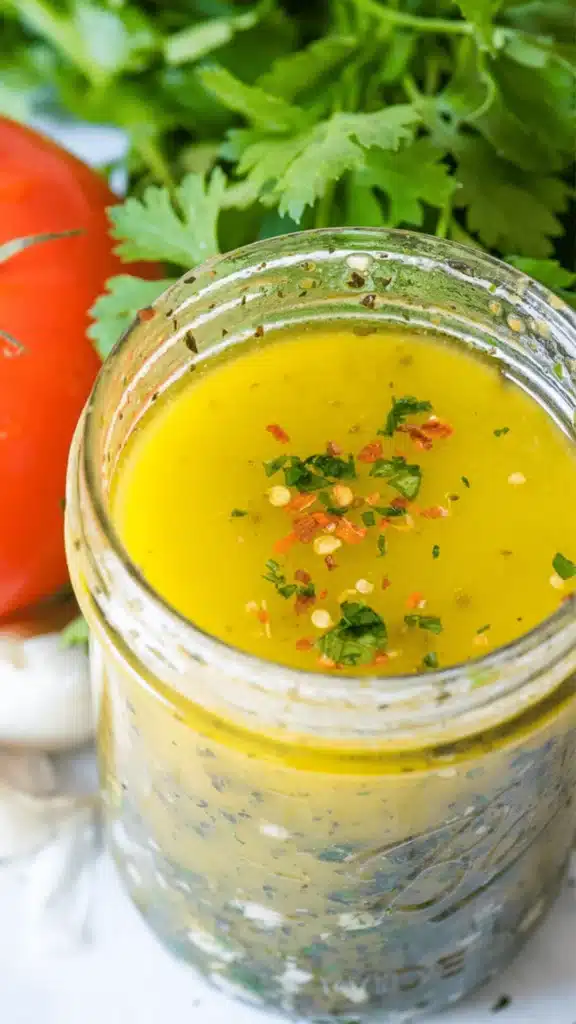
Easy Homemade Thai Dipping Sauce
Thai dipping sauce is one of the easiest ways to bring bold, balanced flavors into everyday meals. With just a few simple ingredients, this classic Thai dipping sauce delivers the perfect mix of salty, sweet, sour, and spicy.
Hi, I’m Helen Whitaker — welcome to Cookliva.
There are nights in my kitchen when I don’t need a whole new dinner plan… I just need one really good sauce. You know the kind: the meal is fine, everyone’s hungry, but it’s missing that spark. That was me a few weeks ago with a plate of simple grilled chicken, a bowl of rice, and some quick cucumber slices.
Mark was already reaching for the salt. Lily looked mildly unimpressed (she’s polite about it, but I can tell). And Owen? He was asking if we had “that sauce that tastes like restaurant food.”
So I grabbed a lime, the fish sauce, and a little jar of sugar from the pantry — and five minutes later we had a Thai-style dipping sauce that instantly made the whole meal feel exciting. It was salty, bright, sweet, and spicy all at once. The kind of sauce that makes you keep dipping even when you swear you’re full.
Thai cuisine is famous for balance — salty, sweet, sour, and spicy working together like they were meant to be in the same bowl. And this Thai dipping sauce is one of the easiest ways to bring that balance into your own kitchen without special equipment or complicated steps.
If you’ve ever wanted a go-to sauce for spring rolls, dumplings, grilled meats, rice bowls, or roasted veggies, this is it.
Why You’ll Love This Recipe
It takes 5 minutes.
No cooking, no blender, no waiting for anything to cool.
It’s the perfect flavor balance.
Salty umami from fish sauce, bright lime, sweetness to soften the edges, and chili heat that you can control.
It’s incredibly versatile.
Dip, drizzle, spoon, splash — it works as a dipping sauce, dressing, or quick marinade.
You can make it exactly how your family likes it.
Mild for kids, fiery for spice lovers, extra limey if you love tang. This sauce is very forgiving.

Why Make Your Own Sauce?
Making your own Thai dipping sauce ensures freshness and allows customization. Homemade sauces can be adjusted to suit personal taste preferences, such as controlling the level of spiciness or sweetness. This flexibility is a significant advantage over store-bought options.
Preparing the sauce at home also allows you to use the best quality ingredients, resulting in a more authentic flavor. Fresh lime juice, for instance, delivers a more vibrant taste than bottled alternatives, and fresh chilies provide a sharper, more intense heat.
Moreover, crafting your own sauce can be more cost-effective. With a few staple ingredients, you can create multiple batches, making it a budget-friendly option for frequent use. This practice not only enhances your cooking experience but also broadens your culinary skills.
Essential Ingredients
This sauce is simple, but every ingredient matters. Here’s what I use, plus a few helpful swaps.
Core Ingredients
- 1/4 cup fish sauce
This is the salty, savory backbone. Fish sauce is a traditional condiment widely used in Southeast Asian cuisine and is known for its deep umami flavor that enhances many Thai dishes. - 2 tablespoons fresh lime juice (plus more to taste)
Fresh is best here — it brings brightness you just can’t fake. - 2 tablespoons sugar (palm sugar, brown sugar, or white sugar)
Sweetness balances the salt and the sour. Palm sugar is traditional, brown sugar adds a gentle caramel note, and white sugar keeps it clean and sharp. - 2 garlic cloves, finely minced
Garlic adds bite and aroma. The finer you mince, the more evenly it blends. - 1–2 Thai chilies or red chilies, thinly sliced
Use one for moderate heat, two for spicy. You can also use crushed red pepper flakes in a pinch.
Optional Add-Ins (choose one or two)
- 1 teaspoon grated ginger for warmth and zing
- 1 teaspoon rice vinegar for extra tang
- 1–2 tablespoons water to thin it slightly
- Chopped cilantro for freshness
Swap if you don’t use fish sauce
Use low-sodium soy sauce or tamari (it won’t taste identical, but it’s still delicious).
Step-by-Step Sauce Preparation
This is the easiest kind of recipe — just whisk, taste, adjust.
- Mix the base.
In a small bowl, whisk together the fish sauce and lime juice. - Dissolve the sugar.
Add the sugar and whisk until it dissolves. This might take 30–60 seconds depending on the sugar type. - Add aromatics and heat.
Stir in minced garlic and sliced chilies. - Taste and adjust the balance.
Too salty? Add a little more lime juice or a splash of water.
Too sour? Add a touch more sugar. - Rest briefly (optional, but lovely).
Let it sit for 5–10 minutes if you can. The garlic and chili soften slightly and the flavors round out.
Helen’s consistency tip
Thai dipping sauce is meant to be thin — it should coat food lightly, not cling like a creamy dip. If you want it a little gentler for kids, add 1–2 tablespoons water to soften the intensity.s, perfect for pairing with your favorite Thai dishes.
Perfecting the Sauce Consistency

Achieving the ideal texture for a Thai dipping sauce plays a key role in both flavor balance and presentation. The sauce should be light enough to cling to food without becoming overly thin or diluted.
If you’d like to slightly thicken it, try reducing the amount of lime juice or adding a bit more sugar. On the other hand, if the sauce feels too dense, a small splash of warm water can loosen it while preserving its bold taste.
Texture can also be adjusted through ingredient preparation. Finely chopped garlic and chilies create a smooth, well-blended sauce, while a coarser chop adds noticeable texture. Feel free to experiment until you find the consistency that suits your taste best.
Serving Ideas and Pairings
A well-crafted Thai dipping sauce is incredibly versatile and can elevate many dishes. Pairing it with the right foods can instantly enhance your meal.
Perfect Sauces for Appetizers
Thai dipping sauces pair beautifully with a wide range of appetizers, enhancing both flavor and appeal. They work especially well with:
- Spring rolls – The fresh vegetables and herbs are enhanced by the sauce’s tangy, spicy notes.
- Satays – Sweet and acidic flavors balance the richness of grilled meats.
- Dumplings – The sauce adds depth and complexity to these mild, comforting bites.
Serving these starters with a homemade Thai dipping sauce creates a flavorful and impressive beginning to any meal.
Pairing with Simple Thai Dishes
Using Thai dipping sauce alongside easy Thai recipes is a great way to upgrade everyday cooking. It pairs naturally with grilled chicken, seafood, and even simple rice bowls.
For example, it pairs beautifully with this grilled spicy honey lime chicken, where the bright lime and chili flavors complement the sauce perfectly.
Grilled chicken benefits from the sauce’s acidity and gentle heat, which cuts through the richness of the meat. Seafood, especially shrimp and fish, pairs well with the sauce’s salty and sour profile.
Even plain rice bowls become more exciting with a drizzle of this sauce, delivering a quick burst of authentic Thai flavor.
Helpful Tips for Home Cooks
If you want to master Thai dipping sauces, a few simple techniques can make a big difference.
Essential Thai Cooking Tips:
- Taste as you go and adjust the balance of sweet, salty, sour, and spicy flavors.
- Use fresh, high-quality ingredients whenever possible.
- Don’t be afraid to experiment and customize the sauce to your preference.
Keeping these tips in mind ensures your sauce is consistently flavorful and adaptable.
Storage and Shelf Life
Storing your Thai dipping sauce properly helps preserve its freshness and taste.
- Keep it in an airtight container in the refrigerator.
- For best flavor, use within one week.
- If making a large batch, freezing small portions is a convenient option.
With proper storage, you can enjoy your homemade Thai dipping sauce anytime without sacrificing quality.
Variations
Once you’ve made this once, you’ll start adjusting it without thinking — and that’s the fun part.
1) Sweet & Mild (Kid-Friendly)
- Use 1 chili (or none)
- Add an extra 1 teaspoon sugar
Lily loves this version drizzled over cucumber and rice.
2) Extra Spicy
- Use 2 chilies
- Add a pinch of crushed red pepper
This is Owen’s favorite — he calls it “zappy sauce.”
3) Ginger-Lime Version
- Add 1 teaspoon grated ginger
Perfect for grilled chicken, shrimp, and noodle bowls.
4) Tamarind Twist
- Replace half the lime juice with a little tamarind paste (if you have it)
This version is deeper and slightly fruity — wonderful with pork or roasted vegetables.
5) Soy-Based Version (No Fish Sauce)
- Use soy sauce/tamari instead of fish sauce
- Keep lime + sugar the same
It’s still bright, salty-sweet, and very dip-worthy.
If you enjoy making homemade sauces like this Thai dipping sauce, you might also like this easy comeback sauce that’s perfect for dipping or drizzling over grilled dishes.
FAQ
Is Thai dipping sauce the same as sweet chili sauce?
Not quite. Sweet chili sauce is thicker and syrupy. This sauce is thinner, sharper, and more balanced with lime and fish sauce.
How long does it last in the fridge?
It’s best within 5–7 days. The garlic gets stronger over time, so if you prefer a softer garlic flavor, use it within the first couple days.
Can I make it ahead for a party?
Yes — it’s actually great made a few hours ahead. Just stir before serving.
What if my sauce tastes too salty?
Add more lime juice or a tablespoon of water. You can also add a touch more sugar to smooth the edges.
Do I have to use Thai chilies?
No. Use what you can find — serrano, jalapeño, red chilies, even red pepper flakes. Thai chilies are just hotter, so start small.
Serving Suggestions
This sauce is one of those “fits everywhere” recipes. Here are our favorite uses:
Appetizers
- Spring rolls (fresh or fried)
- Dumplings or potstickers
- Chicken satay skewers
- Crispy shrimp
Easy Meals
- Drizzled over grilled chicken or steak
- Over rice bowls with cucumbers and herbs
- With roasted vegetables (especially broccoli or green beans)
- On noodles for a quick punch of flavor
- Over simple rice dishes like this Korean ground beef bowl, where the sauce adds a bright, tangy kick
Mark loves it with grilled meats. I love it on simple rice bowls. Lily dips cucumbers. Owen… tries to put it on everything and then asks for more water. So I’d say it’s a success.