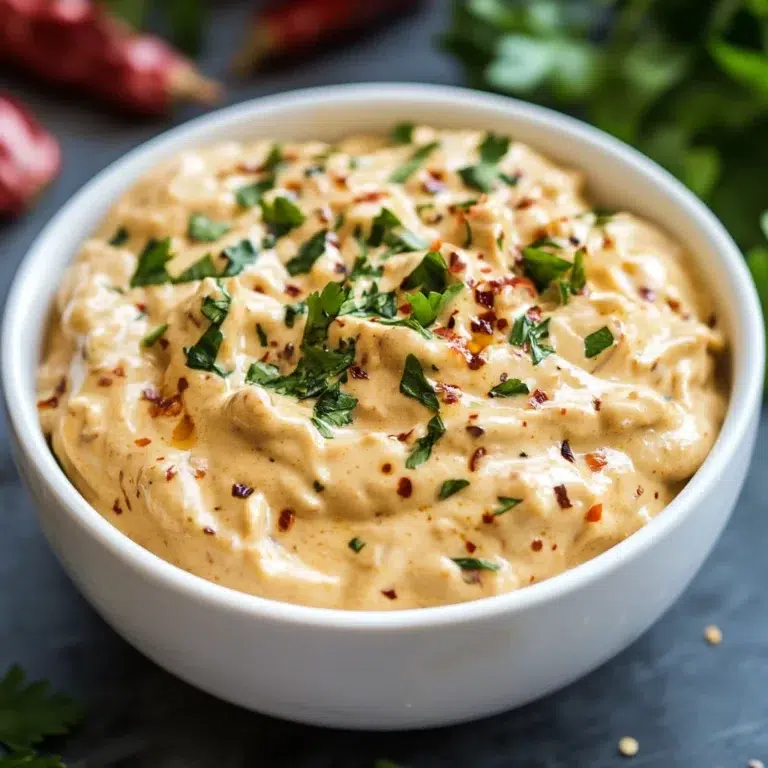
How to Make Authentic Carolina BBQ Sauce at Home
Barbecue lovers know that a true Carolina BBQ sauce is more than just a condiment — it’s a tradition. Rooted in Southern history and built on bold, tangy flavors, this sauce tells a story with every bite.
In this complete guide, I’ll walk you through everything you need to know to make an authentic Carolina-style BBQ sauce at home. From understanding the regional differences to choosing the right ingredients and mastering the technique, this step-by-step approach will help you create a sauce that’s balanced, vibrant, and full of character.
With a few pantry staples and a little patience, you’ll be ready to bring genuine Southern flavor to your backyard cookouts and family meals.
The Essence of Carolina BBQ Sauce

Carolina BBQ sauce stands out for its bold simplicity and deep roots in Southern cooking. To truly understand its flavor, it helps to look at where it comes from and how it has evolved across generations. Making it at home allows you to capture that authentic spirit while adjusting the balance to your own taste.
Let’s explore what makes this sauce so distinctive.
History of Carolina BBQ
Carolina barbecue traces its origins back to colonial America, when European settlers introduced slow-cooking techniques to the Southern colonies. Over time, these methods blended with African and Indigenous culinary influences, shaping the region’s unmistakable BBQ culture.
Unlike many modern barbecue sauces, Carolina-style sauces rely heavily on vinegar rather than tomatoes or sugar. This sharp, tangy base was originally used to preserve meat and enhance flavor during long cooking sessions.
Traditionally, meats were cooked over open pits, and sauces were brushed on lightly to highlight — not overpower — the natural flavor of pork.
While recipes have evolved, the defining elements of acidity, spice, and balance remain unchanged, preserving the identity of Carolina BBQ through the years.
Regional Sauce Variations
Carolina BBQ sauce isn’t a single recipe — it’s a family of styles shaped by geography and tradition.
Eastern North Carolina sauces are thin, vinegar- and pepper-based, delivering a sharp, bright flavor that cuts through rich pork.
Western North Carolina, also known as the Piedmont style, introduces ketchup or tomato paste, adding mild sweetness and body to the sauce.
South Carolina takes a different approach entirely, using yellow mustard as the base to create a tangy, savory sauce with a distinct golden color.
Each version reflects local tastes and ingredients, showing how adaptable and creative Southern cooking truly is.
Why Homemade BBQ is Best
Making Carolina BBQ sauce at home offers more than just better flavor — it creates a connection to tradition.
Store-bought sauces may be convenient, but they often lack depth and freshness. Homemade sauce allows you to adjust acidity, sweetness, and heat exactly to your liking.
Cooking from scratch encourages experimentation and understanding, helping you appreciate how each ingredient contributes to the final result.
You also avoid unnecessary preservatives and additives, giving you a cleaner, fresher sauce that you can feel good about serving to family and guests.
Essential Ingredients and Tools
Creating an authentic Carolina BBQ sauce starts with the right foundation. Ingredients and tools both play a critical role in achieving the correct flavor and texture.
Key Ingredients for Authentic Flavor
| Ingredient | Amount |
|---|---|
| Yellow mustard | 1 cup |
| Apple cider vinegar | 1/2 cup |
| Honey (or brown sugar) | 1/4 cup |
| Ketchup | 2 tablespoons |
| Worcestershire sauce | 1 tablespoon |
| Hot sauce (like Texas Pete) | 1 teaspoon |
| Garlic powder | 1/2 teaspoon |
| Onion powder | 1/2 teaspoon |
| Smoked paprika | 1/2 teaspoon |
| Salt and black pepper | To taste |
Vinegar forms the backbone of Carolina BBQ sauce, delivering its signature tang.
Spices like black pepper, cayenne, and paprika add warmth and complexity without overwhelming the sauce.
Mustard or tomato elements define regional identity, while sweeteners such as honey or sugar balance acidity.
Additional flavor boosters like garlic, onion, and Worcestershire deepen the overall profile.
Must-Have Tools for Sauce Making
A few basic kitchen tools ensure consistent results and an enjoyable cooking process.
A medium saucepan is essential for heating and blending ingredients evenly.
A whisk or sturdy spoon helps fully incorporate spices and sweeteners.
Measuring cups and spoons provide precision, which is key for balanced flavor.
A fine mesh strainer can be used for a smoother texture if desired.
Glass jars or bottles are ideal for storing your finished sauce.
Step-by-Step Sauce Preparation

Making Carolina BBQ sauce is a straightforward process, but attention to detail makes all the difference. Each step builds flavor and consistency.
Mixing the Base Ingredients
The first step in sauce preparation is combining the base ingredients. This sets the stage for layering flavors and achieving the desired consistency.
- Begin by preparing the base of your sauce.
- Measure the vinegar and add it to a medium saucepan.
- Incorporate spices such as black pepper, cayenne, and paprika.
- Add mustard or tomato components based on your preferred regional style.
- Stir in sweeteners like honey or brown sugar to balance acidity.
- Whisk thoroughly until all ingredients are evenly combined.
Perfecting the Flavor Balance
Flavor balance is what separates a good sauce from a great one.
Taste the sauce as it heats, noting acidity, sweetness, and heat.
Add vinegar for more sharpness or sweetener for a softer profile.
Adjust spices gradually to avoid overpowering the sauce.
A small splash of Worcestershire sauce can add depth and umami.
Take your time — balance comes from small, thoughtful adjustments.
Cooking Techniques for Consistency
Consistency determines how well the sauce coats meat and enhances flavor.
Simmer the sauce gently over low to medium heat to allow flavors to meld.
Stir regularly to prevent sticking and uneven cooking.
Let the sauce reduce slowly until it reaches your desired thickness.
Strain if needed to remove solids and create a smoother texture.
Allow the sauce to cool before transferring it to storage containers.
Tips for Serving and Pairing

Serving Carolina BBQ sauce the right way can completely transform a meal. Because this sauce is bold, tangy, and vinegar-forward, it works best when paired thoughtfully with foods that either balance its acidity or allow its sharp flavors to shine. When used correctly, Carolina BBQ sauce doesn’t overpower — it elevates.
Whether brushed onto meat during cooking, drizzled just before serving, or offered on the side, this sauce brings brightness and depth to classic Southern dishes. Below, we’ll explore the best ways to serve it and how to pair it with complementary foods for an authentic Southern experience.
Best Dishes for Carolina BBQ Sauce
Carolina BBQ sauce pairs exceptionally well with a wide range of meats and dishes, enhancing natural flavors rather than masking them. Its acidity cuts through richness, while its subtle heat adds dimension.
Pulled pork
Pulled pork is the most iconic pairing for Carolina BBQ sauce. The vinegar-based tang slices through the fatty, slow-cooked meat, preventing it from feeling heavy. When mixed directly into the pork or served on the side, the sauce adds brightness and keeps every bite balanced and flavorful.
Grilled chicken
Chicken benefits greatly from Carolina BBQ sauce’s acidity. Brushing the sauce onto grilled or smoked chicken during the final minutes of cooking enhances moisture while adding a punch of flavor. The vinegar and spices penetrate the meat, creating a more complex and satisfying taste than sweet BBQ sauces.
Ribs
Ribs pair beautifully with Carolina BBQ sauce, especially when used as both a light marinade and a finishing glaze. The sauce complements the smoky flavor of the meat and helps balance its natural richness without becoming sticky or overly sweet.
BBQ sandwiches
BBQ sandwiches layered with pulled pork, crunchy slaw, and pickles are an ideal showcase for Carolina BBQ sauce. The tangy sauce ties all the elements together, cutting through creamy slaw and enhancing the savory meat for a perfectly balanced bite.
Beyond meat dishes
This sauce isn’t limited to meat alone. It can add unexpected depth to roasted vegetables, grilled mushrooms, or even plant-based BBQ alternatives. The acidity and spice bring new life to simple ingredients, offering a creative twist on traditional pairings.
Pairing With Southern Cooking Favorites
Carolina BBQ sauce is deeply rooted in Southern cuisine and pairs naturally with classic side dishes that complement its bold character. These traditional combinations create a well-rounded, satisfying meal.
Coleslaw
Cool, crunchy coleslaw provides a refreshing contrast to the sauce’s tangy intensity. Whether vinegar-based or lightly creamy, slaw helps balance heat and acidity while adding texture to the plate.
Cornbread
Cornbread is a staple alongside Carolina BBQ. Its gentle sweetness offsets the sauce’s sharp vinegar notes, creating harmony between sweet and savory. A warm slice of cornbread also helps soak up extra sauce.
Baked beans
Baked beans bring a hearty, savory element to the meal. Their depth and mild sweetness complement the brightness of the BBQ sauce, especially when the sauce is lightly mixed into the beans for added complexity.
Southern-style greens
Greens like collard greens or mustard greens are a traditional Southern pairing with BBQ. Their earthy, slightly bitter flavor contrasts beautifully with the sauce’s tang, grounding the meal and adding authenticity.
Together, these sides highlight the versatility of Carolina BBQ sauce, allowing it to shine without overwhelming the plate.
Troubleshooting Common Sauce Issues
Even experienced home cooks encounter challenges when making BBQ sauce. Because Carolina BBQ sauce relies heavily on balance, small adjustments can make a big difference. Understanding how to troubleshoot common issues ensures consistently great results.
Adjusting Flavor Profiles
If your sauce doesn’t taste quite right, fine-tuning the flavor is often all it needs.
Too tangy?
If the vinegar feels overpowering, add a small amount of honey, brown sugar, or maple syrup. Sweeteners soften acidity without masking the sauce’s character.
Lacking heat?
Increase cayenne pepper or chili flakes gradually. Adding heat in small increments helps prevent overpowering the sauce.
Too sweet?
Balance excess sweetness by adding a splash of apple cider vinegar or a squeeze of citrus juice. This restores brightness and sharpness.
Not savory enough?
A dash of Worcestershire sauce or soy sauce can deepen umami flavors, giving the sauce more body and complexity.
Making small, controlled adjustments allows you to tailor the sauce precisely to your taste.
Fixing Consistency Problems
Achieving the right consistency is essential for a versatile Carolina BBQ sauce that coats meat properly without being watery or heavy.
Too thick?
Gradually add vinegar or water, stirring continuously until the sauce loosens to the desired texture.
Too thin?
Allow the sauce to simmer longer so it reduces naturally. For faster thickening, use a cornstarch slurry, adding it slowly while stirring.
Lumpy texture?
If the sauce feels uneven, strain it through a fine mesh sieve to achieve a smoother finish.
Not clinging to meat?
Continue reducing the sauce slightly. Proper reduction increases viscosity, helping the sauce adhere better during grilling or serving.
By understanding these adjustments, you’ll be able to consistently achieve the perfect flavor and texture for your Carolina BBQ sauce — every time.