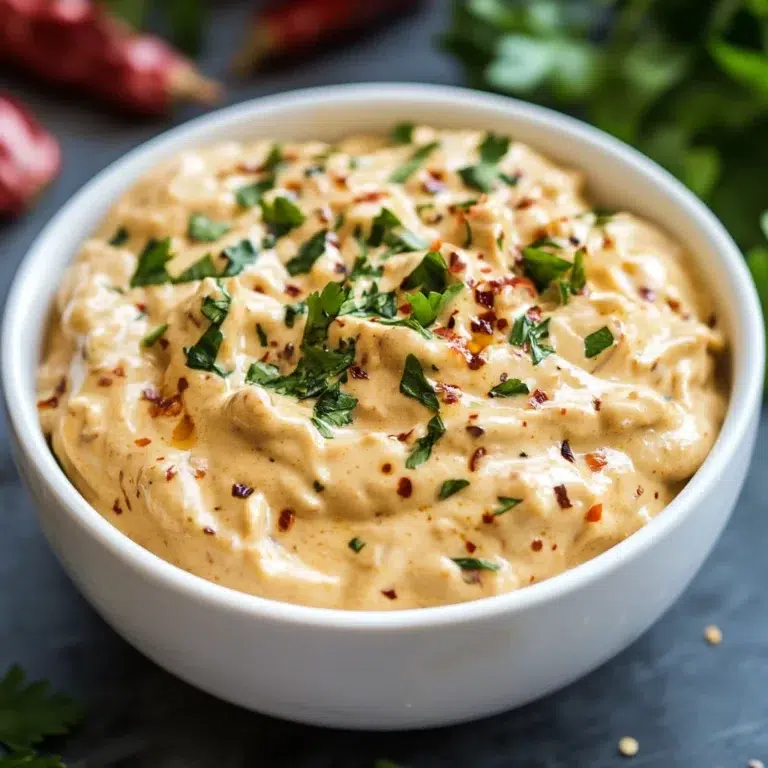
Homemade Chimichurri
There is something so satisfying about making a sauce from scratch that instantly makes dinner feel brighter, fresher, and a little more special. Homemade chimichurri is one of those simple kitchen staples I come back to again and again, especially on busy evenings when I want a meal to taste like I put in much more effort than I actually did.
Hi, I’m Helen Whitaker, and at our house, chimichurri has become one of those little extras that changes everything. My husband loves it spooned over grilled steak, while my children are surprisingly happy to dip roasted potatoes into it or drizzle it over chicken. I started making it years ago after wanting a fresh, punchy sauce that could wake up even the plainest dinner. Now, whenever I have parsley on hand and a few pantry basics, I know I’m only minutes away from something truly delicious.

Quick ANSWER
Homemade chimichurri is a fresh herb sauce made with parsley, garlic, olive oil, vinegar, and seasonings. It is bright, garlicky, slightly tangy, and perfect for spooning over grilled meats, vegetables, bread, potatoes, and more. The best part is that it comes together quickly with simple ingredients, and the flavor gets even better as it sits.
Quick Overview
This homemade chimichurri recipe is fresh, bold, and wonderfully versatile. It uses flat-leaf parsley, fresh garlic, olive oil, red wine vinegar, dried oregano, red pepper flakes, salt, and black pepper. You can chop it by hand for a traditional texture or pulse it gently in a food processor if you want to save time. It is not cooked, which means every ingredient matters, and the balance of freshness, acidity, and richness is what makes it work so beautifully.
Why You’ll Love This Recipe
I love recipes like this because they make everyday cooking feel easier, not harder. Chimichurri is one of those sauces that keeps giving. It turns plain grilled chicken into something lively, makes roasted vegetables taste restaurant-worthy, and gives leftover rice bowls a fresh new life the next day.
You’ll also love that it is made from ingredients you may already have in your kitchen. Parsley gives it that clean, grassy freshness. Garlic adds sharpness and depth. Olive oil smooths everything out and carries the flavor. Red wine vinegar cuts through richness and gives the sauce its signature brightness. The oregano adds an earthy note, while red pepper flakes bring just enough warmth without overwhelming the herbs.
Another reason I come back to this recipe is that it is forgiving. You do not need special equipment, advanced cooking skills, or exact perfection. You just need to taste as you go and trust your senses. If it tastes too sharp, add a little more olive oil. If it feels flat, add a pinch more salt. That kind of simple adjustment makes this recipe especially beginner-friendly.

The Origin of This Recipe
Chimichurri is most closely associated with Argentina and Uruguay, where it is often served with grilled meats. It is a fresh, herb-forward condiment that brings balance to rich, smoky foods. While there are many variations, the classic idea remains the same: herbs, oil, acid, garlic, and seasoning working together to create something vibrant and memorable.
My version is a home-kitchen approach that keeps the spirit of traditional chimichurri while fitting real family cooking. I make it in a way that feels approachable and easy to repeat, whether I am serving grilled flank steak on a summer evening or stirring a spoonful into warm roasted carrots in the middle of the week. It is one of those recipes that reminds me simple food can still feel thoughtful and special.
Ingredients
Here is what I use for this homemade chimichurri:

- 1 cup flat-leaf parsley, finely chopped
- 3 to 4 garlic cloves, minced
- 1/2 cup extra virgin olive oil
- 2 tablespoons red wine vinegar
- 1 teaspoon dried oregano
- 1/2 teaspoon red pepper flakes
- 1/2 teaspoon salt, or to taste
- 1/4 teaspoon black pepper
- 1 tablespoon finely chopped fresh cilantro or a little extra parsley, optional
- 1 small shallot, very finely minced, optional
A quick note on ingredients: flat-leaf parsley is the heart of this sauce. It has a cleaner flavor and softer texture than curly parsley, making it ideal here. Fresh garlic is important too because this is an uncooked sauce, so the garlic flavor stays front and center. Use olive oil you genuinely enjoy tasting, because it forms the base of the sauce. Red wine vinegar brings classic sharpness, though you can adjust it slightly depending on how tangy you like your chimichurri.
Instructions
1. Wash and dry the herbs well
Start by washing your parsley thoroughly, then dry it very well. This step matters more than people think. If your herbs are watery, the chimichurri can taste diluted and the texture may turn thin instead of rich and spoonable. I usually pat the parsley dry with a clean kitchen towel or use a salad spinner. You want the leaves fresh, clean, and mostly dry before chopping.
2. Chop the parsley finely
Gather the parsley into a neat pile and chop it finely with a sharp knife. Try not to mash it. You want small pieces, not herb paste. A rough but even chop gives the sauce its classic texture. This is one of the places beginners sometimes rush, but a good chop helps the parsley mix smoothly with the oil and vinegar rather than clumping into big leafy pieces.
3. Mince the garlic and optional shallot
Mince the garlic as finely as you can so it blends into the sauce without leaving harsh, oversized bites. If you are using shallot, mince that very finely too. Since neither ingredient gets cooked, large pieces can feel too strong or distracting. The goal is a balanced sauce where every spoonful has flavor, but nothing overpowers the herbs.
4. Combine the dry ingredients first
In a medium bowl, add the chopped parsley, garlic, oregano, red pepper flakes, salt, and black pepper. Tossing these together first helps distribute the seasonings before the liquid goes in. It is a simple step, but it makes the final sauce taste more even from the first bite to the last.
5. Add the vinegar and olive oil
Pour in the red wine vinegar first, then the olive oil. Stir everything together with a spoon or fork until fully combined. The mixture should look loose and glossy, not dry and not soupy. If it seems too thick, add another small splash of olive oil. If it feels too oily and muted, add a touch more vinegar. This is where tasting becomes important.
6. Let it rest before serving
This is the hardest part only because it smells so good right away. Let the chimichurri sit for at least 10 to 15 minutes before serving. Resting allows the garlic to mellow slightly and gives the herbs time to absorb the oil and vinegar. The flavor becomes rounder and more balanced. If I have time, I let it sit even longer at room temperature before dinner.
7. Taste and adjust
Before serving, taste again. You may want a bit more salt for brightness, a little more vinegar for tang, or an extra drizzle of olive oil to soften sharp edges. This final adjustment is what makes homemade sauces feel truly homemade. Trust your palate here.

Tips & Flavor Variations
One of the things I love most about chimichurri is how easy it is to adapt without losing its character.
First, always dry your herbs well. This matters because extra moisture weakens the flavor and changes the texture. A properly dried herb mixture gives you a sauce that tastes vivid and concentrated instead of watery.
Second, chop by hand when possible. A food processor is convenient, but it can turn the herbs too fine too quickly. Hand-chopping gives chimichurri a fresher texture and keeps it from becoming green sludge. That little bit of texture is part of what makes it so good on grilled food.
Third, let it rest before serving. Fresh garlic and vinegar can taste a little sharp immediately after mixing. Even 15 minutes helps the flavors settle and blend, which gives you a smoother, more balanced sauce.
Fourth, use good olive oil. Because the sauce is uncooked, you can really taste the oil. A smooth, peppery olive oil gives body and richness, while a poor one can make the sauce taste flat or bitter.
Fifth, season gradually. Salt especially matters here because it wakes up both the herbs and the acid. Add a little, taste, then adjust. Over-salting early is harder to fix than adding a pinch at the end.
For flavor variations, I sometimes add a bit of cilantro when I want a greener, slightly more citrusy finish. For a sharper version, I add a little extra vinegar. For a milder family-style version, I reduce the garlic by one clove and slightly increase the olive oil. In summer, I occasionally stir in finely chopped fresh oregano if I have it growing. For a smokier twist, a tiny pinch of smoked paprika can be lovely, especially with grilled chicken or roasted sweet potatoes. For a brighter, lemony version, a small squeeze of fresh lemon juice can work alongside the vinegar without overpowering it.
You can also make it more savory by adding finely minced shallot, or slightly spicy by increasing the red pepper flakes. If you need a gentler version for children, simply reduce the chili and let the sauce sit longer before serving. That resting time really softens the sharpness.

Common Myths & Mistakes
Myth 1: Chimichurri should be blended until completely smooth
A lot of people believe chimichurri should be processed like a green salad dressing until it is completely smooth and pourable. That idea usually comes from seeing other sauces made in blenders or from assuming smoother always means better. It also happens because using a machine feels faster and easier, especially for beginners who worry they are not chopping herbs finely enough by hand.
The problem is that this approach changes the sauce too much. Chimichurri is meant to have texture. When you blend it too aggressively, the parsley bruises heavily, the olive oil can emulsify in a way that makes the sauce thick, and the final result can taste muddy rather than fresh. Instead of distinct little pieces of herb and garlic suspended in oil, you end up with something closer to a purée.
The correct approach is to finely chop the herbs and garlic by hand, or pulse very briefly if you truly need to use a machine. You want the mixture to look rustic and spoonable, not creamy. That texture helps the sauce cling to meat and vegetables while still tasting lively and bright.
Myth 2: More garlic always makes chimichurri better
This is a very common belief, especially among people who love bold flavors. Since chimichurri is known for being garlicky, many assume that adding as much garlic as possible will automatically improve the sauce. Social media recipes often push that idea too, turning “bold” into “extreme” for the sake of attention rather than balance.
The truth is that raw garlic is powerful, and in an uncooked sauce it can take over very easily. Too much garlic does not make chimichurri taste more authentic or more skillful. It usually makes it harsh, bitter, and one-dimensional. Instead of tasting the freshness of the parsley and the brightness of the vinegar, all you notice is a strong raw garlic burn that lingers too long.
The better approach is to use enough garlic to make a statement without drowning out everything else. For a cup of parsley, three to four cloves is usually plenty. Mince it finely so it distributes evenly, then let the sauce rest before serving. That short resting time helps mellow the raw edge and creates a much more balanced flavor.
Myth 3: You have to serve chimichurri immediately after making it
Because chimichurri is made with fresh herbs, some people assume it must be served the second it is mixed or it will lose its quality. This belief comes from the general idea that fresh always means immediate. While there is some truth to wanting fresh herbs to stay vibrant, serving it too soon can actually keep the sauce from tasting its best.
Right after mixing, the vinegar may feel a little sharp, the garlic can taste aggressive, and the herbs have not yet had time to absorb the oil and seasoning. The sauce may seem disjointed, with each ingredient standing apart rather than working together. That can make beginners think they did something wrong, when really the sauce just needs a little time.
The correct approach is to let chimichurri rest for at least 10 to 15 minutes before serving. Even better, making it a bit ahead can help the flavors settle beautifully. Just do not leave it so long that the herbs lose their freshness entirely. A short rest gives you a sauce that tastes more rounded, more intentional, and much more satisfying.

FAQ – Frequently Asked Questions
How long does homemade chimichurri last in the fridge?
Homemade chimichurri usually lasts about 3 to 5 days in the refrigerator when stored in an airtight container. I like to keep a thin layer of olive oil over the top if I know I will be using it over a couple of days, because that helps protect the herbs a little. The flavor may deepen as it sits, but the parsley can gradually darken, which is normal. Before serving leftovers, give it a good stir and let it sit at room temperature for a few minutes so the oil loosens again and the flavors wake back up.
Can I freeze chimichurri without ruining the texture?
Yes, you can freeze chimichurri, and it is actually a lovely way to save extra herbs. I like freezing it in small portions, such as ice cube trays, so I can thaw only what I need. The texture may soften slightly after freezing, and the herbs may not look quite as bright as they did fresh, but the flavor stays very good. Once thawed, stir it well and taste for seasoning. You may want to add a tiny splash of fresh vinegar or olive oil to brighten it again before serving.
Why did my chimichurri turn out bitter?
Bitterness usually comes from one of a few common issues. The herbs may have been over-processed, which bruises them too much and brings out harsh notes. The garlic may have been too strong, especially if it was older or very pungent. Sometimes a very bitter olive oil can also be the cause. To avoid this, chop the herbs gently, use fresh ingredients, and choose an olive oil you already enjoy tasting on its own. If your sauce is already bitter, try balancing it with a little extra olive oil and a pinch of salt to soften the sharp edge.
What can I substitute for red wine vinegar in chimichurri?
If you do not have red wine vinegar, you can use white wine vinegar as your next best option. It is slightly lighter but still gives that clean acidic lift the sauce needs. Fresh lemon juice can also work if you want a brighter, sunnier flavor, though it changes the character a bit. I would avoid heavy vinegars that are sweet or syrupy because they can throw off the balance. Whatever substitute you use, add it gradually and taste as you go, since the acidity level can vary from one ingredient to another.
Why is my chimichurri too oily or too sharp?
This usually happens when the balance between the oil and acid is off. If it tastes too oily, you may need a touch more vinegar or a pinch more salt to wake everything up. If it tastes too sharp, the vinegar may be too strong or the garlic may need a little time to mellow. Letting the sauce rest often helps more than people expect. Start with the recipe ratios, then adjust in small amounts. Chimichurri should taste lively and bold, but it should never feel like straight oil or straight vinegar.
Can I make chimichurri ahead of time for a party or cookout?
Yes, and I often do. Making it a little ahead can actually improve the flavor because it gives the ingredients time to blend together. I usually prepare it a few hours before serving or even earlier in the day. Store it in the refrigerator, then bring it out 15 to 20 minutes before serving so the olive oil loosens and the flavors become more expressive again. Stir well before putting it on the table. For the freshest color, I would not make it too far in advance unless you are comfortable with the herbs darkening slightly.
Homemade chimichurri is one of those recipes that proves fresh, simple ingredients can create something deeply flavorful with very little fuss. It is bright, flexible, and endlessly useful, which is probably why I make it so often. Around here, it rarely lasts long. Between my husband spooning it over grilled meat and the children finding new excuses to dip something into it, there is never much left by the end of dinner. And honestly, that is exactly the kind of recipe I love most.