Sweet Alabama Pecan Bread (Moist & Easy Recipe)
This Sweet Alabama Pecanbread quickly became one of our favorite homemade desserts, especially on cozy weekends.
The first time I baked this Sweet Alabama Pecanbread in my own kitchen, I remember standing at the counter while the butter, vanilla, and toasted pecans filled the house with that warm, sweet smell that makes everyone wander in and ask, “What are you making?” My husband, Daniel, cut a corner before it had fully cooled, and both kids, Emma and Jack, came back for seconds before dinner was even on the table. It was one of those simple bakes that instantly felt like it belonged to our family.
What I love most about this Sweet Alabama Pecanbread is that it doesn’t ask much from you. No frosting. No layers. No mixer. Just a bowl, a pan, everyday ingredients, and a little patience while it turns into something wonderfully rich and golden. This Sweet Alabama Pecanbread is the kind of recipe you can rely on when you want something comforting without the stress.

Quick ANSWER
Sweet Alabama Pecanbread is a sweet, buttery, pecan-studded bake that lands somewhere between a blondie, a snack cake, and a soft dessert bar. It’s easy to make, deeply comforting, and perfect when you want something homemade without a complicated method. My version keeps that classic Southern spirit but guides you through it in a calm, beginner-friendly way so you get a tender center, lightly crisp edges, and nutty flavor in every bite.
Quick Overview
This Sweet Alabama Pecanbread is known for its rich texture and buttery pecan flavor, making it a true Southern comfort dessert that’s both simple and satisfying.
This Sweet Alabama Pecanbread is made with chopped pecans, eggs, flour, sugar, brown sugar, butter, vanilla, baking powder, and salt. It comes together in one bowl and bakes in a single dish, which is exactly the kind of recipe I reach for on busy days. It slices beautifully once cooled, with clean edges and a soft, tender center.
Expect this Sweet Alabama Pecanbread to have a moist, slightly dense texture that feels rich without being heavy. It’s sweet, yes, but the pecans bring balance and just enough warmth to keep each bite from feeling overwhelming. This is the kind of treat I love setting out with coffee in the afternoon, but it also fits perfectly on a holiday dessert table when you want something comforting and crowd-pleasing.
Why You’ll Love This Recipe
I love recipes like this Sweet Alabama Pecanbread because they feel generous. If you enjoy simple homemade bakes like this, you’ll also love my Cinnamon Swirl Banana Bread. One pan feeds plenty, the ingredients are easy to keep around, and the result tastes like you worked much harder than you actually did.
You’ll love this Sweet Alabama Pecanbread because it’s wonderfully simple. There’s no complicated technique hiding in the middle of it, and everything comes together in a way that feels calm and manageable. Even if you’re new to baking, this is one of those recipes that builds your confidence right away.
You’ll also fall in love with the texture of this Sweet Alabama Pecanbread. The edges bake up golden and slightly caramelized, while the center stays soft, rich, and almost melt-in-your-mouth tender. It’s not fluffy like a cake and not firm like a cookie bar — it sits right in that perfect in-between space that feels comforting and just a little nostalgic.
And of course, there are the pecans. In this Sweet Alabama Pecanbread, they bring a naturally buttery flavor that deepens as it bakes. They add just enough crunch to balance the soft crumb, making every bite more satisfying than the last. Daniel always says that’s what makes it impossible to stop at one piece. Emma loves hers warm straight from the pan, while Jack insists on adding a scoop of vanilla ice cream on top. In our house, that means everyone wins.
What makes this Sweet Alabama Pecanbread truly special is how simple yet incredibly satisfying it is. It’s the kind of recipe you come back to again and again, not because it’s fancy, but because it always feels just right.

Why This Pecan Bread Is Different
- Most pecan bread recipes are either too dry or overly sweet.
- This version focuses on balance — moist texture, rich nutty flavor, and just enough sweetness without being heavy.
- It’s the kind of recipe you can make once and rely on every time.
The Origin of This Recipe
This style of pecanbread has deep potluck energy. It feels like the sort of thing you’d find in a handwritten church cookbook, brought to a family gathering in a well-loved pan with a tea towel draped over the top. The recipe I reviewed presents it as a Southern classic with that same homespun charm, and that description makes perfect sense the moment you taste it.
What makes it special is that it doesn’t fit neatly into one dessert category. It’s called bread, but it eats more like a blondie or dessert square. That in-between quality is part of its charm. It feels humble, familiar, and a little nostalgic, even if it’s your first time baking it. I always think the best family recipes are the ones that don’t need much explaining. They just show up, get shared, and disappear fast.
Ingredients
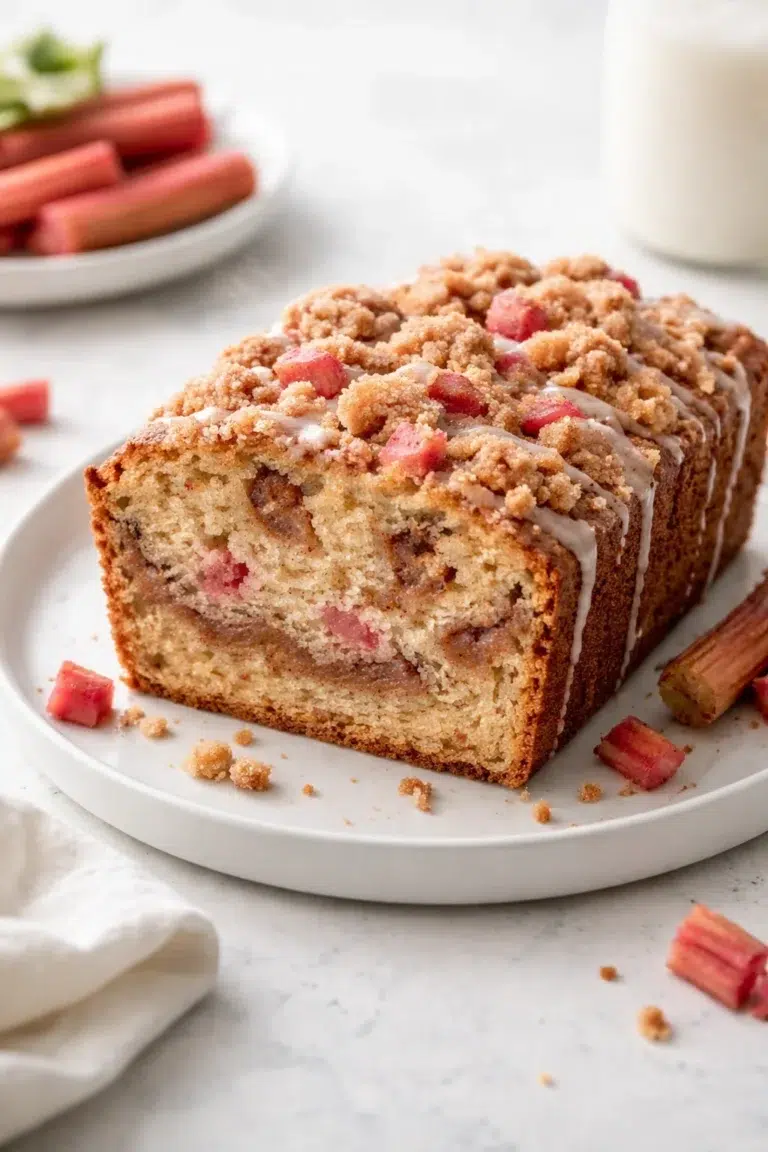
This recipe uses simple pantry staples, much like my cinnamon rhubarb bread, making it perfect for everyday baking.
Pecans are rich in healthy fats and nutrients, as explained by Harvard T.H. Chan School of Public Health.

- 1 cup granulated sugar
- 1 cup packed light brown sugar
- 1 cup melted butter
- 4 large eggs
- 1 1/2 cups all-purpose flour
- 2 teaspoons baking powder
- 1/2 teaspoon salt
- 1 teaspoon vanilla extract
- 2 cups chopped pecans
A few ingredient notes from my kitchen:
The granulated sugar helps build those lightly crisp, golden edges. Brown sugar brings moisture and a gentle caramel note, which I really love here. Butter gives a richer flavor than oil, so that’s what I use when I want the bake to feel especially cozy and homemade.
Eggs matter more than people think in this recipe. They bind everything together and help create that soft, slightly chewy texture. Vanilla rounds out the sweetness so the bake doesn’t taste one-note. And the pecans, of course, are the heart of the whole thing. Fresh pecans make a difference. If yours taste stale before they go in, they won’t magically improve in the oven.
Instructions
Once your ingredients are ready, we can start bringing this Sweet Alabama Pecanbread together step by step.
1. Prepare your pan and oven
Preheat your oven to 350°F. Grease a 9×13-inch baking dish well, or line it with parchment paper if you want especially easy lifting and slicing later. This batter is sweet and can cling to the corners if the pan isn’t prepared properly.
2. Melt the butter and let it cool slightly
Melt the butter until fully liquid, then set it aside for a few minutes. You want it warm, not piping hot. If it’s too hot when it hits the eggs, you risk scrambling them, and that changes the texture before the batter even reaches the oven.
3. Whisk the sugars, eggs, and vanilla
In a large mixing bowl, whisk together the granulated sugar, brown sugar, eggs, and vanilla until the mixture looks glossy and smooth. You don’t need a hand mixer, but you do want to whisk enough that the sugars begin dissolving and the mixture turns a little lighter in texture.
4. Add the melted butter
Slowly pour in the cooled melted butter while whisking. Go steadily rather than all at once. This helps everything emulsify properly, which gives you a more even batter and a better final crumb.
5. Mix the dry ingredients separately
In another bowl, stir together the flour, baking powder, and salt. This step may seem small, but it matters. It prevents pockets of baking powder and helps the batter come together more evenly.
6. Combine gently
Add the dry ingredients to the wet ingredients and fold or stir just until no dry streaks remain. Stop there. Overmixing can make the texture tighter and heavier, and this recipe is best when it stays tender. The batter will be thick, glossy, and spoonable.

7. Fold in the pecans
Add the chopped pecans and fold until they are evenly distributed. I like to make sure every scoop of batter has plenty of pecans, because nothing is more disappointing than cutting into a corner and finding barely any nuts.

8. Spread and bake
Transfer the batter to your prepared pan and smooth the top gently. Bake for 30 to 35 minutes, or until the top is deeply golden and the center looks set. A toothpick inserted in the middle should come out with a few moist crumbs, not wet batter. Don’t wait for it to look bone dry, or it may overbake.

9. Cool before slicing
Let it cool in the pan until warm or room temperature. This is one of the hardest parts, especially if your family is already hovering nearby, but it’s important. Cooling helps the structure settle so you get clean slices instead of a crumbly mess.

Measuring flour correctly makes a big difference in texture, and the King Arthur Baking guide explains exactly how to do it properly.
Tips & Flavor Variations
My first tip is to toast the pecans before folding them in. Even 5 to 7 minutes in the oven can deepen their flavor beautifully. This matters because pecans are the main character here, and toasting brings out their natural oils and warmth.
My second tip is to measure the flour gently. Spoon it into the measuring cup and level it off rather than scooping directly from the bag. Too much flour can make the finished bread dry and dull instead of moist and rich.
Third, don’t overbake it. This recipe continues to set as it cools. Pulling it at the right moment gives you that soft center and chewy edge contrast that makes it so good.
Fourth, let it cool before cutting. This affects more than appearance. It also improves texture, because the sugars and butter settle as the bake rests.
Fifth, use real butter when possible. Oil works, and the source recipe allows for either, but butter gives a fuller flavor that tastes more homemade and comforting.
For variations, you have plenty of room to play. For a sweeter dessert version, add 1/2 cup chocolate chips. The chocolate melts into the crumb and makes it feel a bit more like a pecan blondie.
For a warmer seasonal version, add cinnamon and a tiny pinch of nutmeg. This is lovely in fall and around the holidays.
If you love rich, comforting desserts like this, you might also enjoy my classic pumpkin pie.
For a coconut twist, stir in shredded coconut along with the pecans. That adds chewiness and a slightly tropical note.
For a maple-inspired version, replace a small portion of the sugar with maple syrup and reduce the bake time slightly if the batter seems looser.
For a less-sweet variation, you can reduce the granulated sugar just a little, though I would not cut too much or you’ll lose some of the signature texture.

Common Myths & Mistakes
Myth 1: If it’s called pecanbread, it should bake like regular quick bread
This is one of the most common misunderstandings beginners have, because the name naturally suggests a loaf-style bread with a light, sliceable crumb. People expect something closer to banana bread or pumpkin bread, so when the batter seems richer and the finished texture comes out denser and more dessert-like, they assume they did something wrong.
People believe this myth because the word “bread” sets up a very specific expectation. Online recipe titles often use traditional names even when the texture doesn’t match modern assumptions. In this case, pecanbread is much closer to a dessert bar or blondie-style bake than a fluffy breakfast loaf.
That belief is incorrect because this recipe is built differently. It uses a high ratio of sugar, eggs, and fat, which creates a moist, chewy, rich result rather than an airy crumb. That’s exactly what it should do.
The correct approach is to judge success by the right standard. Look for a golden top, a set center, and slices that feel soft, buttery, and nutty. Don’t chase a cake-like texture here. The charm of pecanbread is that it stays a little dense, a little chewy, and wonderfully rich.
Myth 2: More pecans always make the recipe better
It sounds reasonable. If pecans are the best part, why not keep adding more? A lot of home bakers assume that doubling down on the nuts will automatically improve flavor and texture. I understand the temptation, because I’m a pecan lover too.
People believe this because pecans do bring so much flavor, and in many recipes extra add-ins feel harmless. Social media baking videos also encourage the idea that “more is more,” especially when ingredients look beautiful piled high in a bowl.
But that approach can work against you here. Too many pecans can disrupt the batter structure, making the slices crumble or bake unevenly. Instead of a balanced bite, you get a pan that feels overloaded and doesn’t hold together as cleanly. The sweetness, butter, and crumb need enough space to support the nuts rather than just surround them.
The correct approach is to use enough pecans for texture in every bite, but not so many that the batter loses its ability to bake as one cohesive dessert. Stick close to the intended amount the first time, then make small adjustments later. A balanced pecanbread is far better than one that tastes like loose nuts trapped in sweet batter.
Myth 3: A clean toothpick means perfect pecanbread
Many bakers are taught that a completely clean toothpick is the gold standard for doneness. That advice works for some cakes, but it can mislead you badly with pecanbread. If you keep baking until the center is fully dry, you often end up with a pan that tastes overdone by the time it cools.
People believe this because it’s one of the oldest baking rules around. It gets repeated so often that it feels universal. But not every recipe follows the same doneness signals, especially rich bar-style bakes with a moist interior.
That belief is incorrect because pecanbread continues to set after it leaves the oven. Residual heat finishes the center while the pan cools. If you wait for a completely dry toothpick, you may push the edges too far and lose that soft, tender middle.
The correct approach is to look for a few moist crumbs on the toothpick, not raw batter. The top should be golden, the center should no longer jiggle, and the pan should smell deeply buttery and toasted. Those cues together are far more reliable than chasing a perfectly clean toothpick.
FAQ – Frequently Asked Questions
How long does pecanbread last in the fridge without drying out?
Pecanbread keeps very well, which is one of the reasons I make it for busy weeks and holiday gatherings. Once it has cooled completely, I store it in an airtight container. At room temperature, it’s usually best within about 3 to 4 days. In the fridge, it can last close to a week. The key is wrapping it well so it doesn’t absorb fridge odors or lose moisture. Before serving, I like to let a slice come back to room temperature or warm it very slightly. That brings back the soft texture and buttery flavor much better than eating it straight from the refrigerator.
Can I freeze pecanbread without ruining the texture?
Yes, and it freezes better than many people expect. I recommend slicing it first so you can thaw only what you need. Wrap each slice or a small stack tightly in plastic wrap, then place them in a freezer-safe container or bag. That extra layer helps protect the texture. When you’re ready to enjoy it, thaw it at room temperature for an hour or so, or warm it gently in the microwave for a few seconds. The pecans will stay pleasantly firm, and the crumb usually stays moist as long as the bread was not overbaked in the first place.
Why did my pecanbread turn out dry instead of moist and chewy?
Dry pecanbread usually comes from one of three things: too much flour, overbaking, or inaccurate measuring. This recipe is meant to be rich and soft, so even a little extra flour can shift the texture. Scooping flour directly from the bag is a common cause. Overbaking is another big one. If you wait until the center is completely dry in the oven, it often ends up too firm later. I also find that using butter gives a richer result than oil in flavor, though either can work. For the best texture, measure carefully, mix gently, and pull the pan when the center is just set.
What can I substitute for pecans if someone in my family doesn’t like them?
Walnuts are the easiest substitute and the one most bakers try first. They give you a similar crunch, though the flavor is a bit more earthy and slightly more bitter than pecans. If the issue is texture rather than nut flavor, you can reduce the amount or chop them more finely. For a nut-free version, sunflower seeds or pumpkin seeds may work, but the recipe will taste different and lose some of its classic Southern character. In my kitchen, if I know someone prefers a softer bite, I simply toast and chop the pecans a little smaller so they blend into the crumb more gently.
How do I fix pecanbread that turned out too crumbly to slice neatly?
Crumbly pecanbread usually means the balance was off somewhere. It may have had too many add-ins, baked too long, or been cut before it had time to cool and settle. The first fix is patience. Letting the pan cool completely can make a huge difference in how cleanly it slices. If it’s already baked and still crumbly, serve it warm with whipped cream or ice cream and treat it like a rustic dessert rather than trying for perfect squares. Next time, check your flour measurement, avoid overmixing, and make sure the pecans are evenly folded in rather than piled heavily in one area.
Conclusion
There’s something truly special about recipes like this Sweet Alabama Pecanbread. It’s simple, comforting, and made with ingredients you probably already have in your kitchen — the kind of recipe you can come back to again and again without overthinking it.
In our home, this Sweet Alabama Pecanbread has quickly become a favorite for cozy afternoons, family gatherings, and those moments when you just want something sweet and homemade without too much effort. Daniel always reaches for a second slice, and honestly, I don’t blame him.
If you’re looking for more easy and comforting desserts like this Sweet Alabama Pecanbread, you might also enjoy my strawberry oatmeal crumble bars, which have that same simple, satisfying feel.
Take your time, enjoy the process, and don’t worry about making it perfect — the best recipes are the ones that bring people together.
Print
Classic Deviled Eggs (Creamy & Foolproof)
- Total Time: 25 minutes
- Diet: Vegetarian
Description
Creamy, smooth, and perfectly balanced classic deviled eggs made with simple ingredients and the right technique. A foolproof appetizer that works every time.
Ingredients
- 6 large eggs
- 3 tablespoons mayonnaise
- 1 teaspoon Dijon mustard
- 1 teaspoon white vinegar (or lemon juice)
- Salt, to taste
- Black pepper, to taste
- Paprika, for garnish
Instructions
Place eggs in a saucepan and cover with cold water. Bring to a gentle boil, then turn off heat, cover, and let sit for 10–12 minutes.
Transfer eggs immediately to an ice bath and let cool for at least 5 minutes.
Peel eggs carefully and slice in half lengthwise.
Remove yolks and mash finely. Add mayonnaise, mustard, vinegar, salt, and pepper. Mix until smooth and creamy.
Spoon or pipe the filling into egg whites. Sprinkle with paprika and serve chilled.
Notes
- Mash yolks before adding mayo to avoid lumps
- Use slightly older eggs for easier peeling
- Avoid overboiling to prevent gray yolks
- Chill before serving for best texture
- Prep Time: 15 minutes
- Cook Time: 10–12 minutes
- Category: Appetizer
- Method: Boiled
- Cuisine: American
Nutrition
- Serving Size: 6 servings (12 halves)
- Calories: 70–80 kcal per half