

Overnight Cinnamon Rolls (Soft, Cozy & Stress-Free Mornings)
Introduction (A Personal Story from My Kitchen)
Hi, I’m Helen Whitaker — welcome to Cookliva.
There’s something about slow mornings that feels almost rare these days. Between school mornings with Emily and Jack, and my husband Mark already reaching for his coffee before the sun is fully up, breakfast can easily turn into chaos.
That’s exactly why these overnight cinnamon rolls have become one of my most cherished recipes.
I first started making them after a particularly hectic holiday season. I wanted that warm, bakery-style breakfast without waking up at dawn, flour already in my hair. So one evening, after the kids were in bed and the house finally quiet, I rolled up the dough, tucked it into the fridge, and hoped for the best.
The next morning? Absolute magic.
The dough had risen beautifully overnight. All I had to do was let it sit on the counter while the oven preheated. As they baked, the smell of cinnamon and butter drifted through the house. Emily wandered into the kitchen rubbing her eyes, Jack followed asking, “Are those the good rolls?” Mark just smiled — and that was enough for me to know this recipe was a keeper.
These cinnamon rolls aren’t about perfection. They’re about calm mornings, warm kitchens, and sharing something homemade with the people you love.
Why You’ll Love This Recipe
There are plenty of cinnamon roll recipes out there, but this overnight version holds a special place in my heart — and here’s why:
- No early-morning stress: All the hard work happens the night before.
- Ultra-soft texture: The slow overnight rise creates tender, fluffy rolls.
- Beginner-friendly: I walk you through each step, with visual cues and timing tips.
- Perfect for gatherings: Holidays, birthdays, or lazy weekends.
- Make-ahead magic: Ideal when you want homemade without the rush.
Most importantly, this recipe gives you back something precious — time.
The Origin of This Recipe
Cinnamon rolls have always felt nostalgic to me. My grandmother made a simpler version when I was young — never written down, always adjusted by feel. She taught me that dough needs patience, not pressure.
When I started experimenting with overnight dough methods, it felt like a modern extension of her wisdom. Refrigeration slows yeast activity, allowing flavor to develop gradually while giving us flexibility. This recipe grew from that idea: honoring traditional baking while fitting into real life.
Over the years, I’ve tested different ratios, fillings, and rise times until I landed on this version — reliable, forgiving, and deeply comforting.

Ingredients (And Why Each One Matters)
Let’s talk about what goes into these rolls, because each ingredient plays an important role.
For the Dough
- All-purpose flour: Provides structure without making the rolls heavy.
- Milk (whole or 2%): Adds richness and softness.
- Granulated sugar: Feeds the yeast and lightly sweetens the dough.
- Instant yeast: Reliable and easy, especially for overnight fermentation.
- Egg: Adds richness and helps bind the dough.
- Butter (unsalted): Creates tenderness and flavor.
- Salt: Balances sweetness and enhances overall taste.
For the Filling
- Brown sugar: Moist, deep sweetness that melts into the layers.
- Ground cinnamon: The heart of the recipe — warm and aromatic.
- Butter (softened): Helps the filling spread evenly and stick.
For the Cream Cheese Frosting
- Cream cheese: Tangy contrast to the sweet rolls.
- Butter: Smooths out the frosting.
- Powdered sugar: Sweetens without grit.
- Vanilla extract: Rounds out the flavors.
- Milk or cream: Adjusts consistency.
Instructions (Step-by-Step, Calm & Clear)
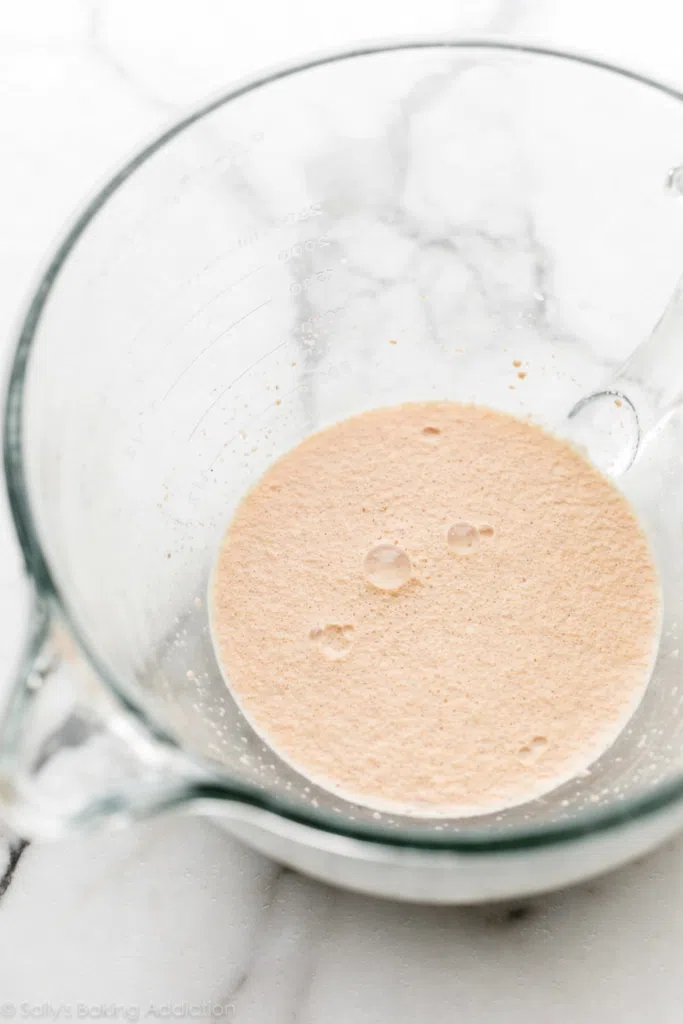
1. Warm the Milk
Gently warm the milk until it’s lukewarm — not hot. If it feels comfortable on your wrist, it’s ready. Overheating can kill the yeast, which is one of the most common mistakes.
2. Mix the Dough
In a large bowl, combine the warm milk, sugar, and yeast. Let it sit for a minute or two, then add the egg, melted butter, salt, and flour. Mix until a soft dough forms.
Tip: The dough should feel slightly tacky but not sticky. If it clings heavily to your fingers, sprinkle in a tablespoon of flour at a time.
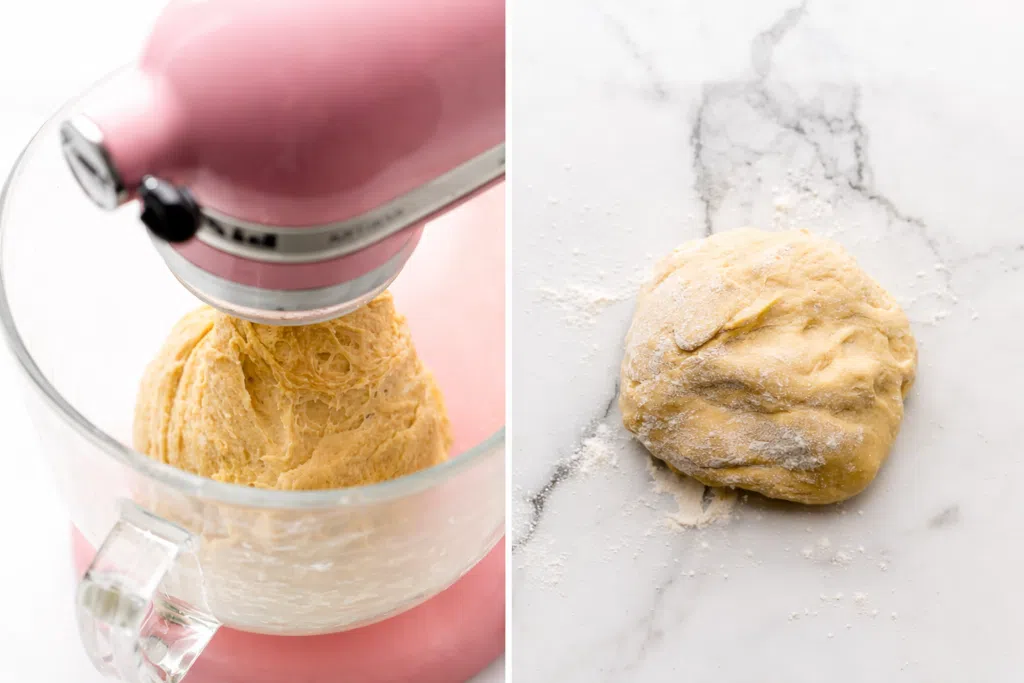
3. Knead Until Smooth
Knead by hand or with a mixer for about 5–7 minutes. You’re looking for a smooth, elastic dough that springs back when gently pressed.
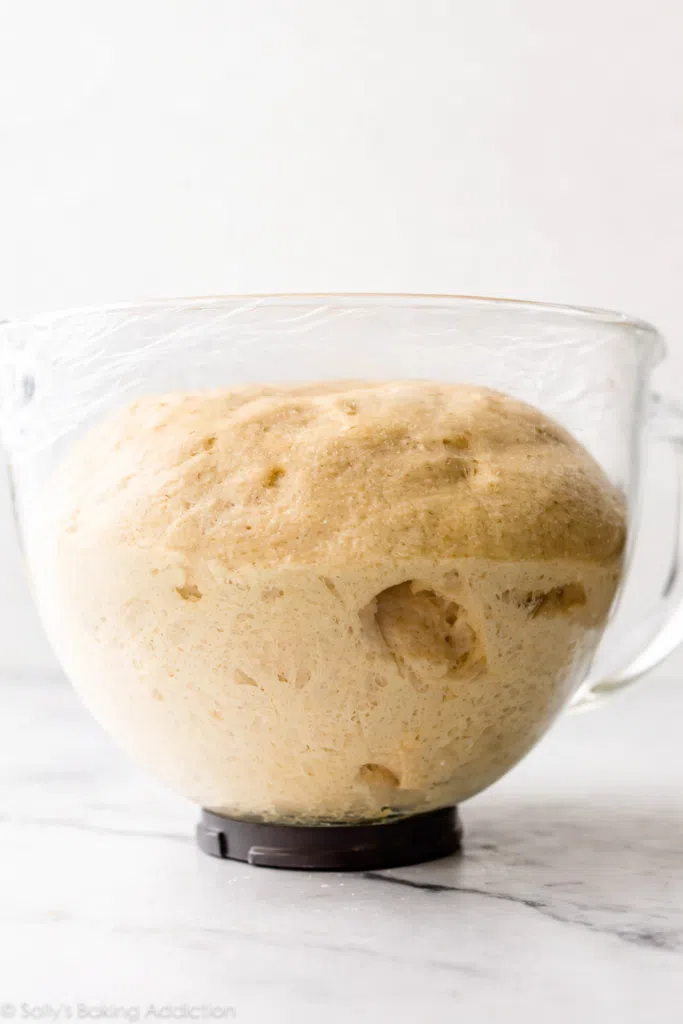
4. First Rise
Place the dough in a lightly greased bowl, cover, and let it rise until doubled — about 1½ to 2 hours. This step builds structure before the overnight rest.
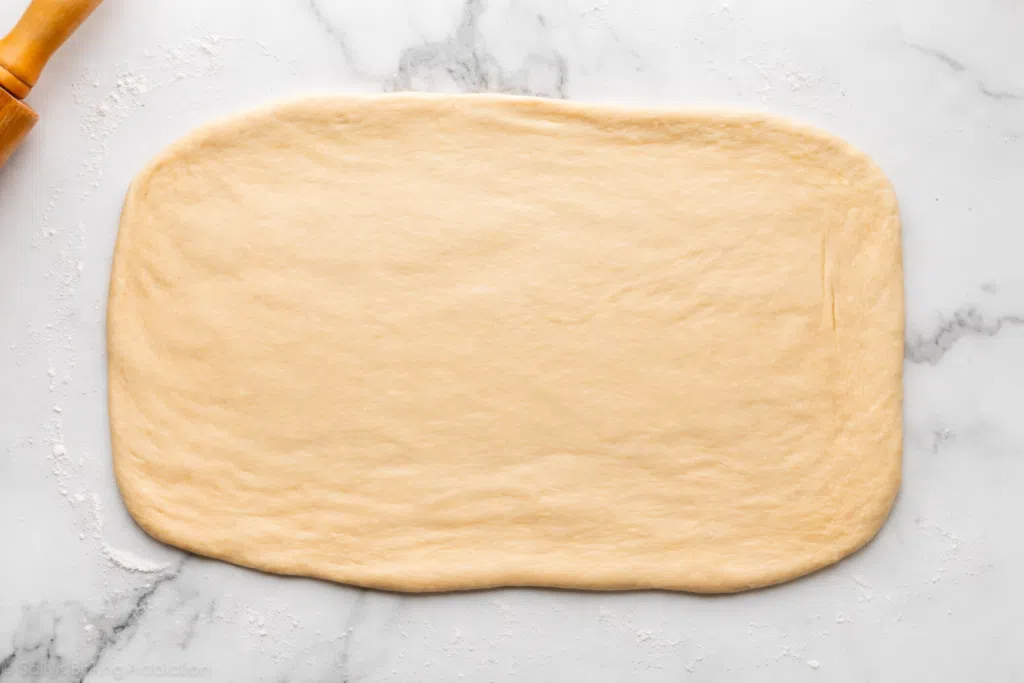
5. Roll & Fill
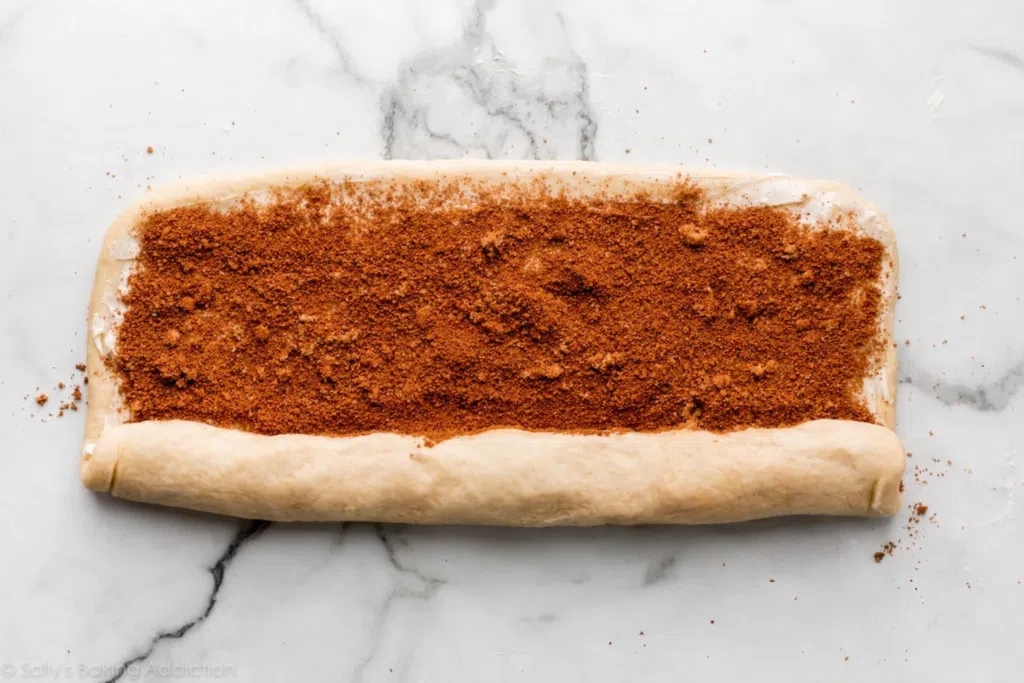
Roll the dough into a rectangle. Spread softened butter evenly, then sprinkle with brown sugar and cinnamon.
Common pitfall: Press the filling gently into the dough so it doesn’t spill out when rolling.
6. Roll & Slice
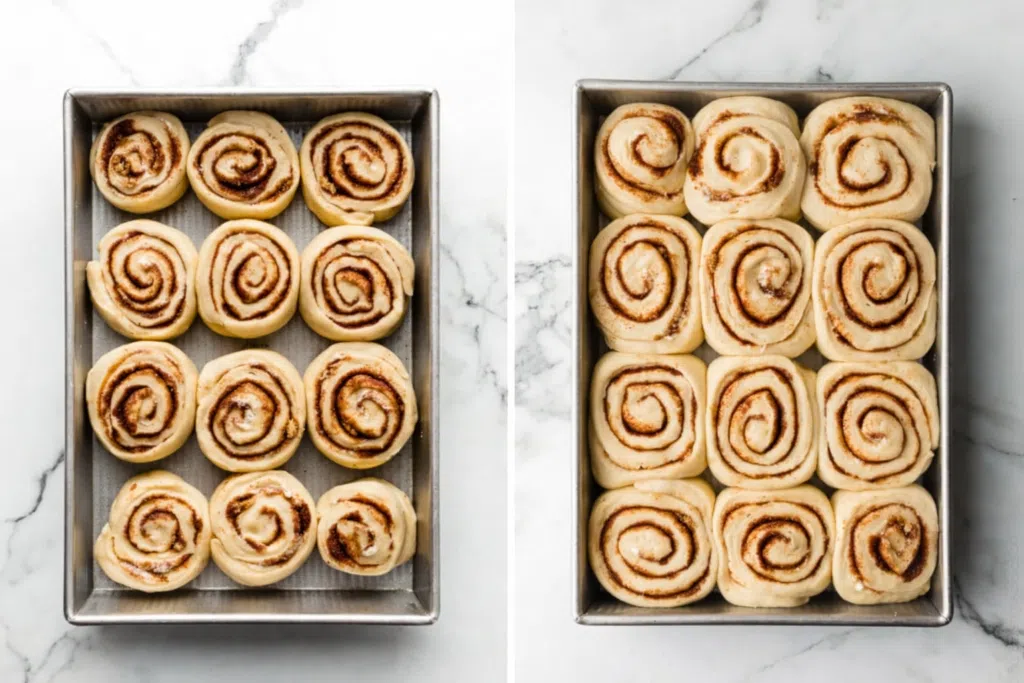
Roll tightly from the long side and slice into even pieces. A piece of unflavored dental floss works beautifully here.
7. Refrigerate Overnight
Place rolls in a greased baking dish, cover tightly, and refrigerate overnight. This slow rise is where the magic happens.
8. Morning Bake
Remove the rolls from the fridge and let them sit at room temperature for about 45 minutes while the oven preheats. Bake until golden and fragrant.
9. Frost & Serve
Spread frosting over warm rolls so it melts into every swirl.
Tips & Flavor Variations
- Let the dough rest if it resists rolling
This relaxes gluten and prevents tearing. - Use room-temperature filling butter
Cold butter tears dough; overly melted butter leaks. - Add heavy cream before baking
Pour a little over the rolls for extra softness. - Seasonal variations
- Fall: Add nutmeg or apple butter
- Winter: Orange zest in frosting
- Spring: Lemon glaze
- Summer: Berries folded into filling
- Dietary swaps
- Dairy-free butter and milk work well
- Use plant-based cream cheese for frosting
Common Myths & Mistakes (Myth-Busting)
Myth 1: Overnight dough won’t rise properly
People worry cold temperatures stop yeast. In reality, yeast slows — it doesn’t stop — allowing flavor to deepen.
Myth 2: Cinnamon rolls must be baked immediately
Not true. Resting improves texture and makes timing flexible.
Myth 3: Sticky dough means failure
Slight stickiness equals moisture and softness. Over-flouring leads to dense rolls.
Frequently Asked Questions
Can I freeze overnight cinnamon rolls?
Yes. Freeze after slicing, before refrigeration. Thaw overnight in the fridge.
How long do leftovers keep?
Up to 3 days refrigerated, covered tightly.
Why are my rolls dense?
Most often from too much flour or under-kneading.
Can I use active dry yeast?
Yes, but activate it fully in warm milk first.
Do I have to use cream cheese frosting?
Not at all. Vanilla glaze or maple icing work beautifully.


