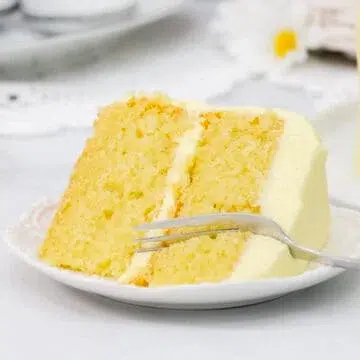
Lemon Velvet Cake with Cream Cheese Frostingrn

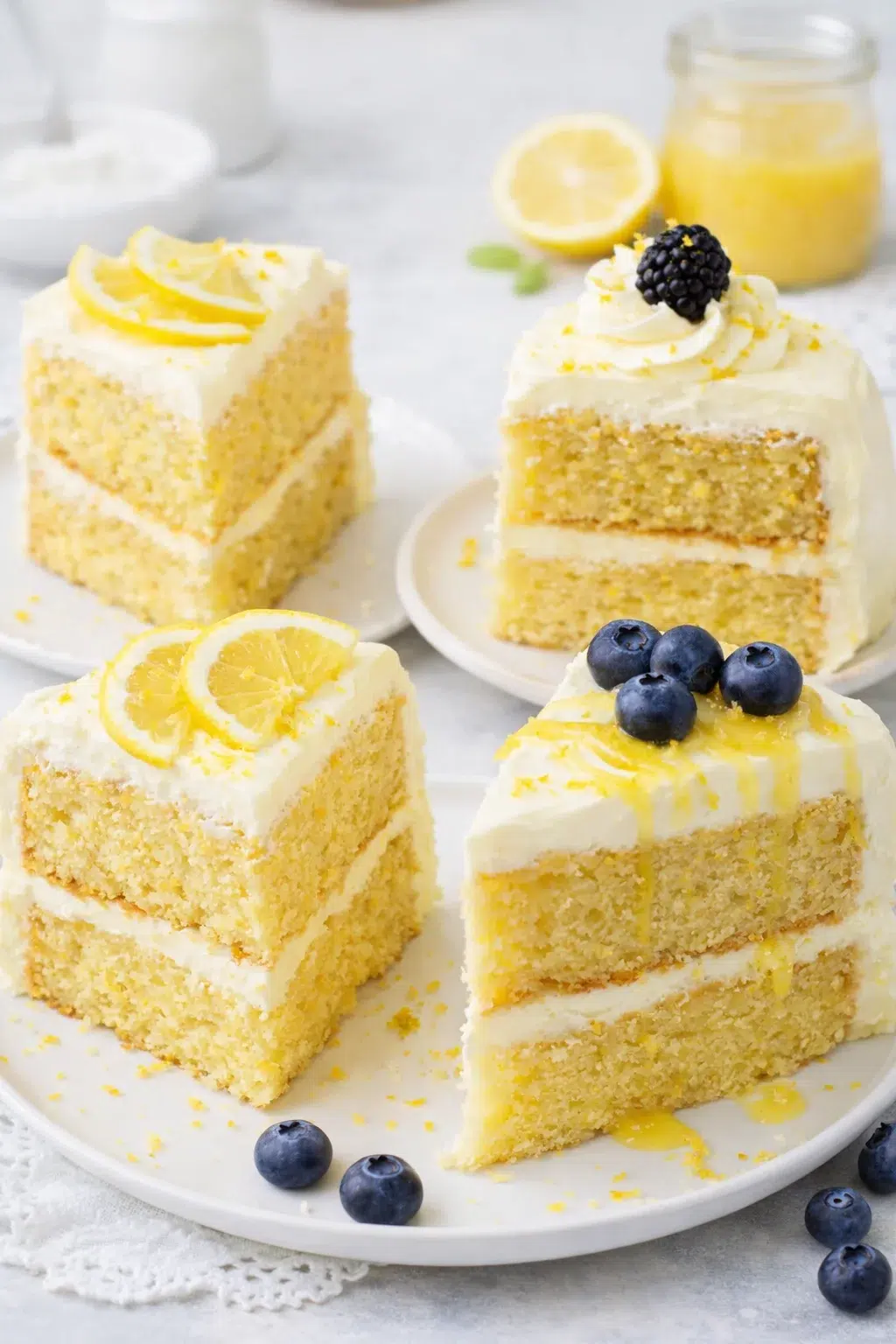
This lemon velvet cake is a homemade yellow cake made from scratch, brightened up with fresh lemon zest and lemon extract, then topped with a tangy cream cheese buttercream. You’ll get moist, tender layers filled with a subtle lemon scent and a frosting that perfectly balances the citrus flavor. The process is simple: cream the butter and sugar, add eggs, fold in the dry and wet ingredients alternately, bake two 8-inch rounds at 325°F, and finish off with that dreamy lemon cream cheese frosting.
This cake is delicate, so handle it gently, but it’s perfect for everyday celebrations, birthday parties, or those potlucks when you want to impress without stress. The recipe makes about 12 servings, and I’ll share helpful tips for swaps, freezing, and serving to make your baking journey smoother.
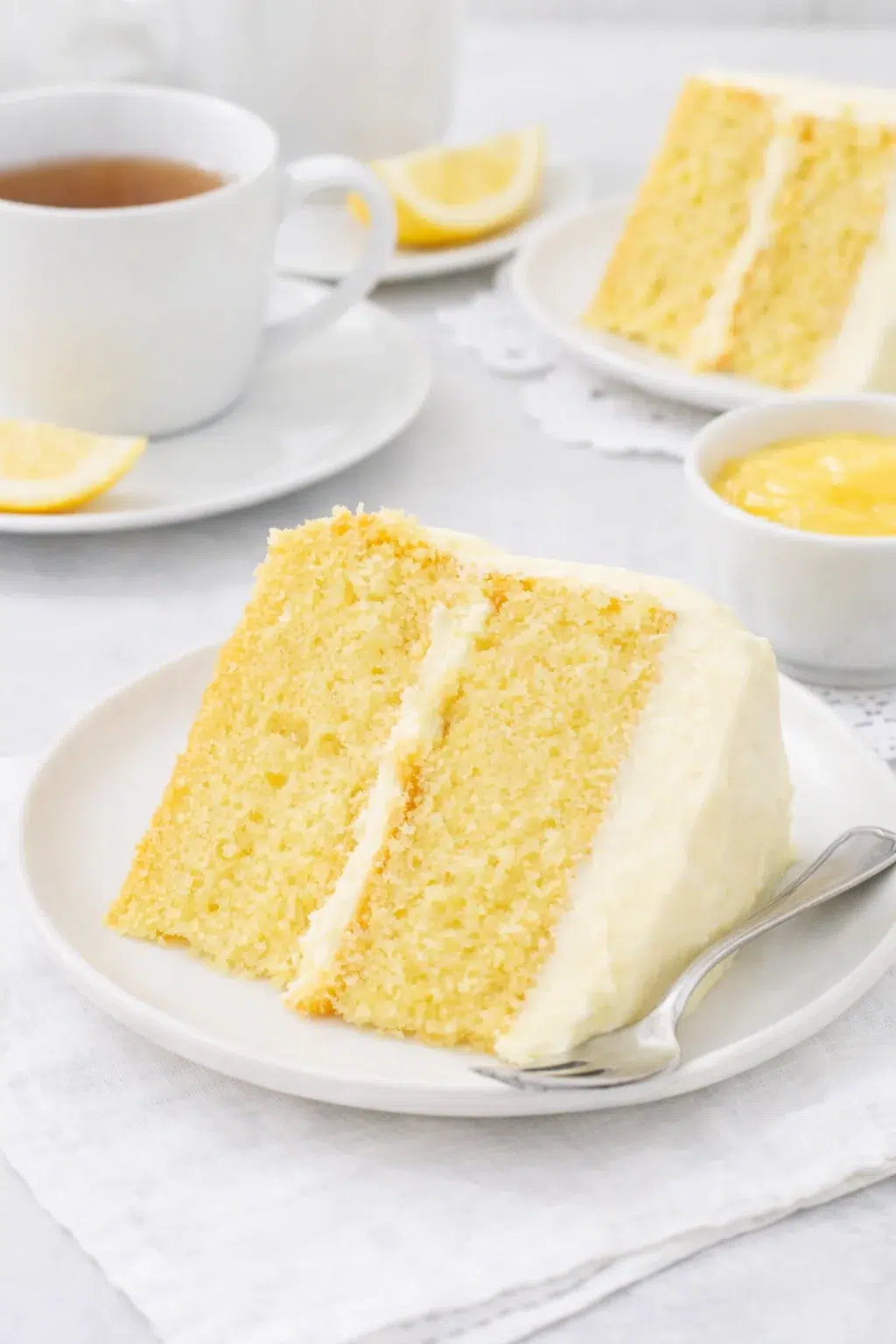
This lemon velvet cake is a light and fluffy yellow cake made from scratch, lifted by fresh lemon zest and lemon extract, then crowned with creamy, tangy cream cheese buttercream. The result? Moist, tender layers with a gentle lemon fragrance and a frosting that beautifully complements the citrus punch—think classic, simple, and absolutely delicious.
The process is very approachable: you start by creaming butter with sugar, blend in the eggs, then carefully fold in the dry and wet ingredients in turns. You’ll bake two 8-inch round cake layers at 325°F, which come out with flat tops—ideal for easy stacking. Just keep in mind these layers are pretty delicate, so treat them with care as you assemble.
In this post, you’ll get a complete list of ingredients, crystal-clear, step-by-step instructions, and plenty of extras — including tips for ingredient swaps, variations for cupcakes or different pans, storage advice, freezer tips, make-ahead ideas, and troubleshooting. If you love a visual guide, there’s a helpful video and a FAQ section towards the end to answer all those common questions I know you’ll have.
A perfect blend of tangy lemon flavor and soft, moist cake layers, finished with rich cream cheese frosting that’s pure heaven.
Why You’ll Love This Cake
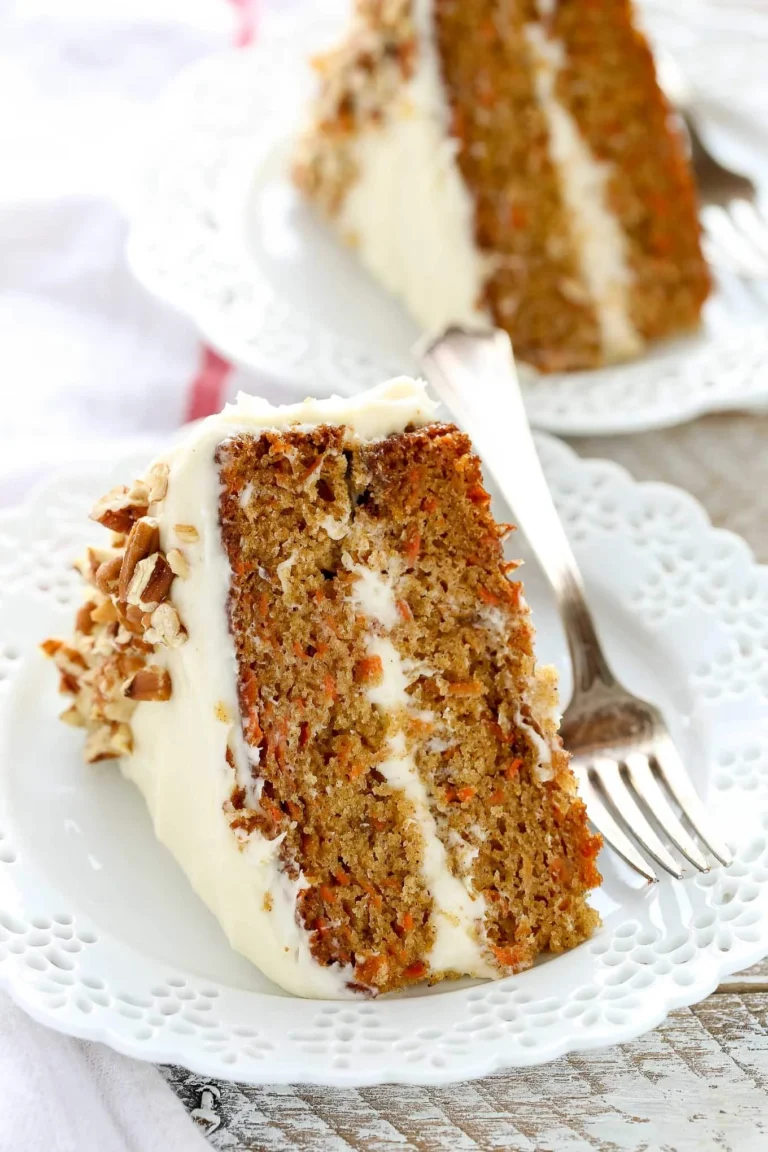
This lemon velvet cake is truly the best of both worlds — a bright, tangy lemon flavor—similar to our moist lemon blueberry cake—meets ultra-moist, velvety texture, finished off with a luscious cream cheese frosting that’s smooth and tangy. If you love that frosting, you’ll also enjoy our carrot cake with cream cheese frosting.
Ingredients and Helpful Notes
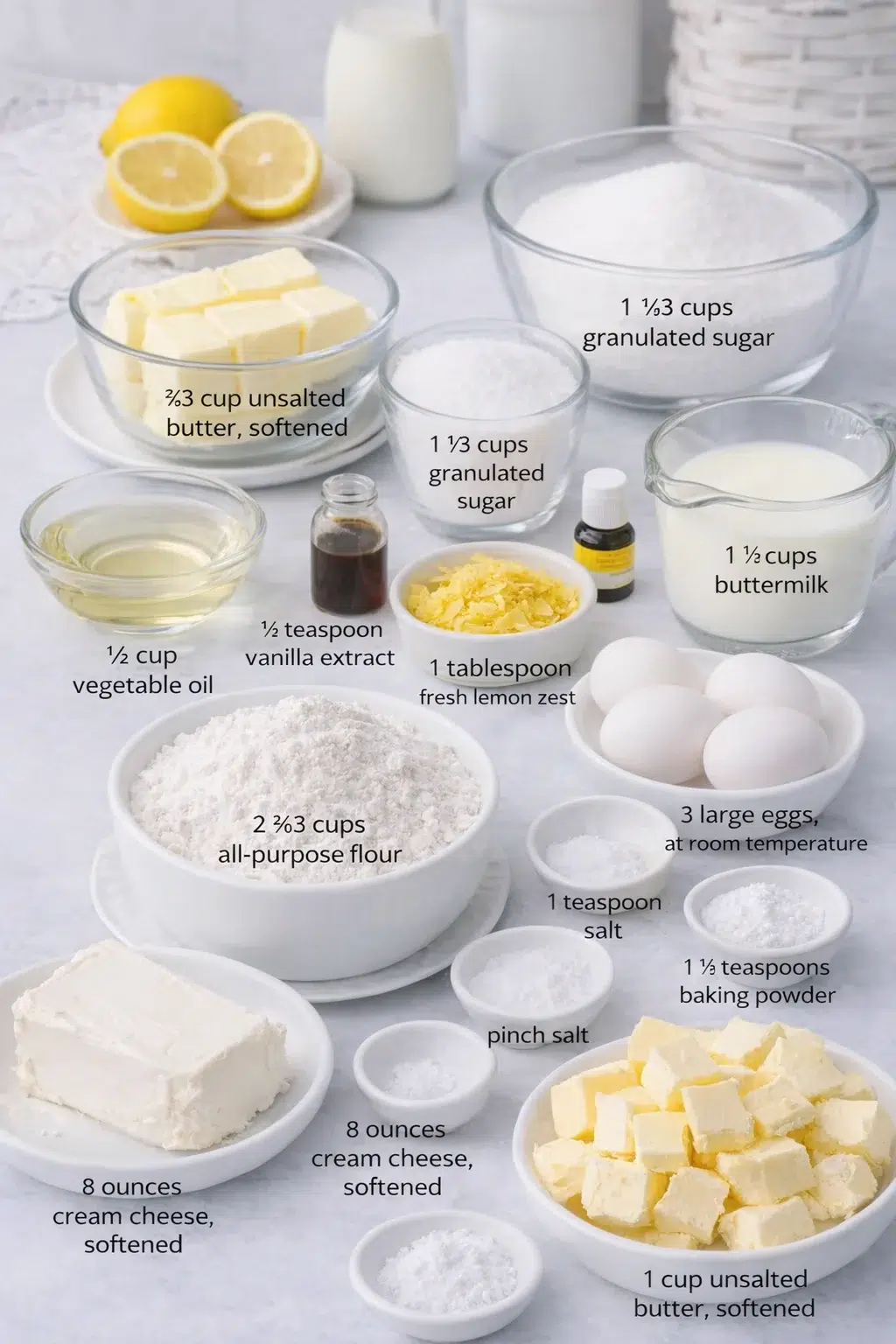
- ⅔ cup unsalted butter, softened to room temperature (roughly 1 ⅓ sticks)
- 1 ⅔ cups granulated sugar
- ½ cup vegetable oil
- ½ teaspoon vanilla extract
- 1 ½ cups buttermilk (see notes for easy substitutions)
- 1 tablespoon fresh lemon zest
- 1-2 drops concentrated yellow gel food coloring
- 3 large eggs, at room temperature
- 2 ⅔ cups all-purpose flour (measured by spooning into the cup for accuracy)
- 1 teaspoon salt
- 1 ½ teaspoons baking powder
- ½ teaspoon baking soda
- 1 (8 ounce) package cream cheese, softened to room temperature
- 1 cup unsalted butter, softened to room temperature
- pinch salt
- 5 cups powdered sugar
- 1-2 tablespoons lemon juice (add as needed to thin the frosting)
- 1-2 drops concentrated yellow gel food coloring
How to Make the Cake
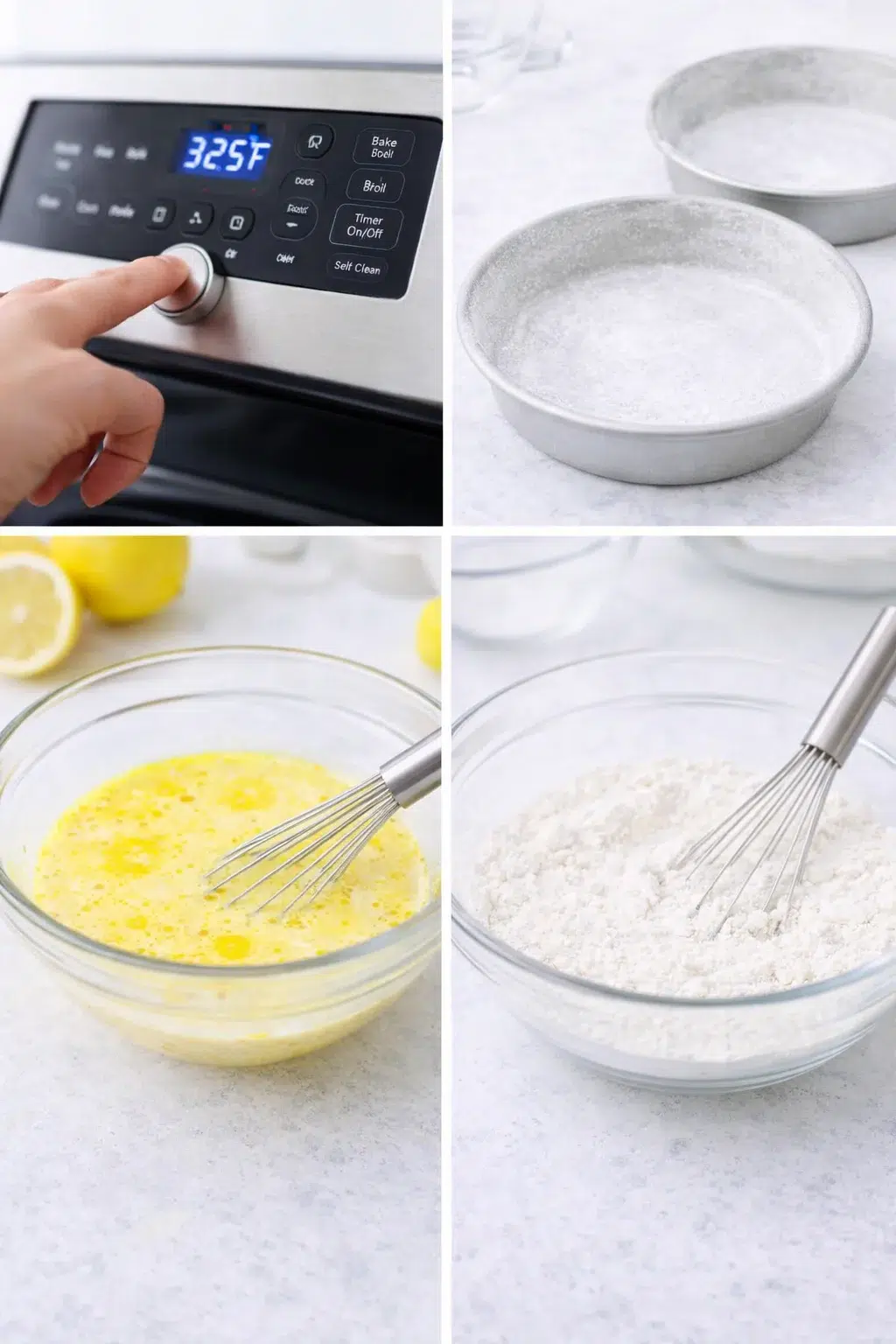
- Preheat oven to 325°F.
- Grease and flour two 8-inch round (2-inch deep) cake pans.
- Whisk together vegetable oil, vanilla extract, buttermilk, fresh lemon zest, lemon extract, and 1–2 drops yellow gel food coloring in a medium bowl; set aside.
-
Whisk together all-purpose flour, salt, baking powder, and baking soda in another bowl; set aside.

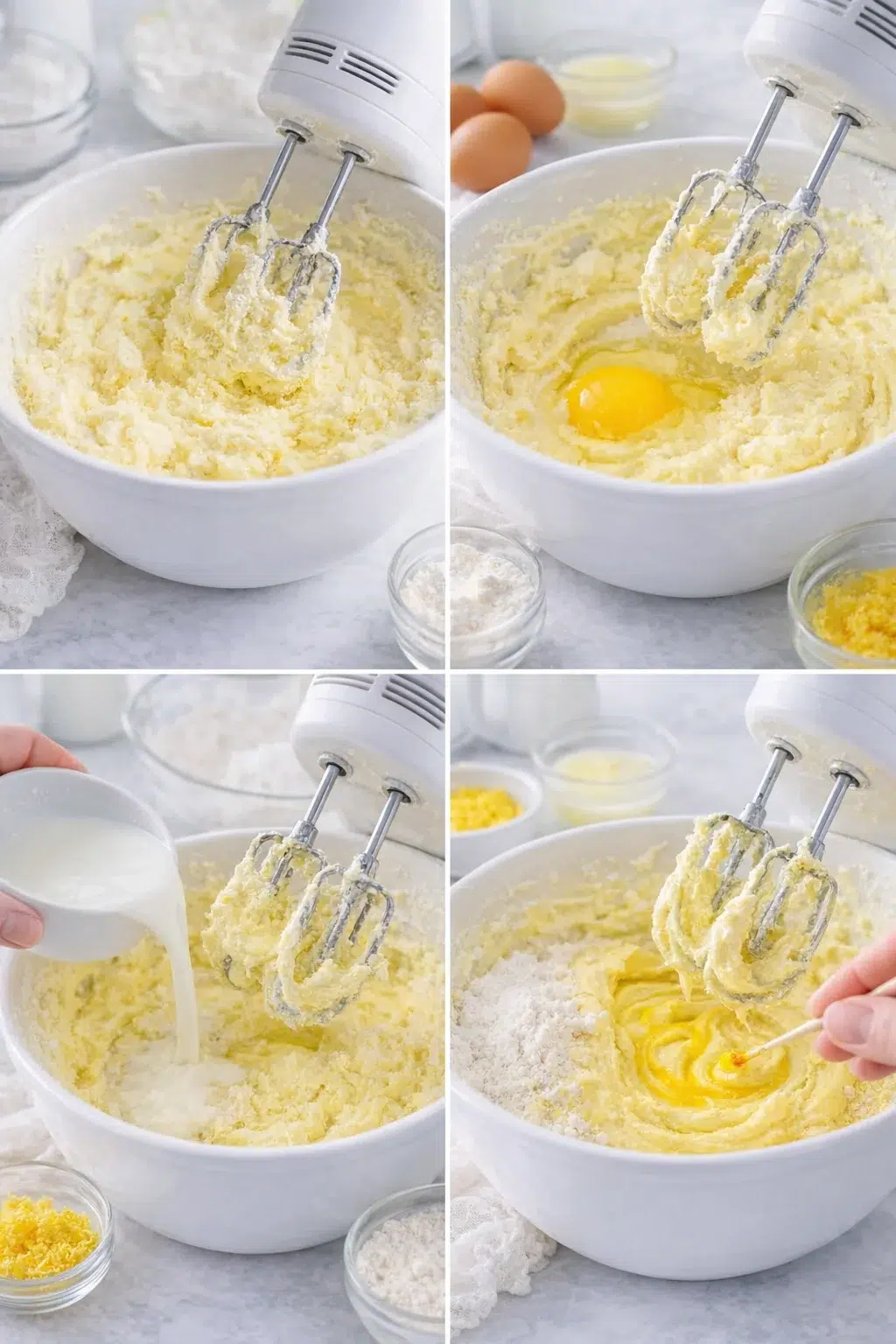
- Cream softened unsalted butter and granulated sugar in a large bowl on medium-high speed for about 4 minutes until light and fluffy.
- Add eggs one at a time, mixing about 20 seconds on medium speed after each until just blended.
- Fold in the dry and wet mixtures alternately, starting and ending with the dry, mixing only until just combined after each addition.
-
If desired, add an extra drop or two of yellow gel food coloring and mix briefly without overmixing.
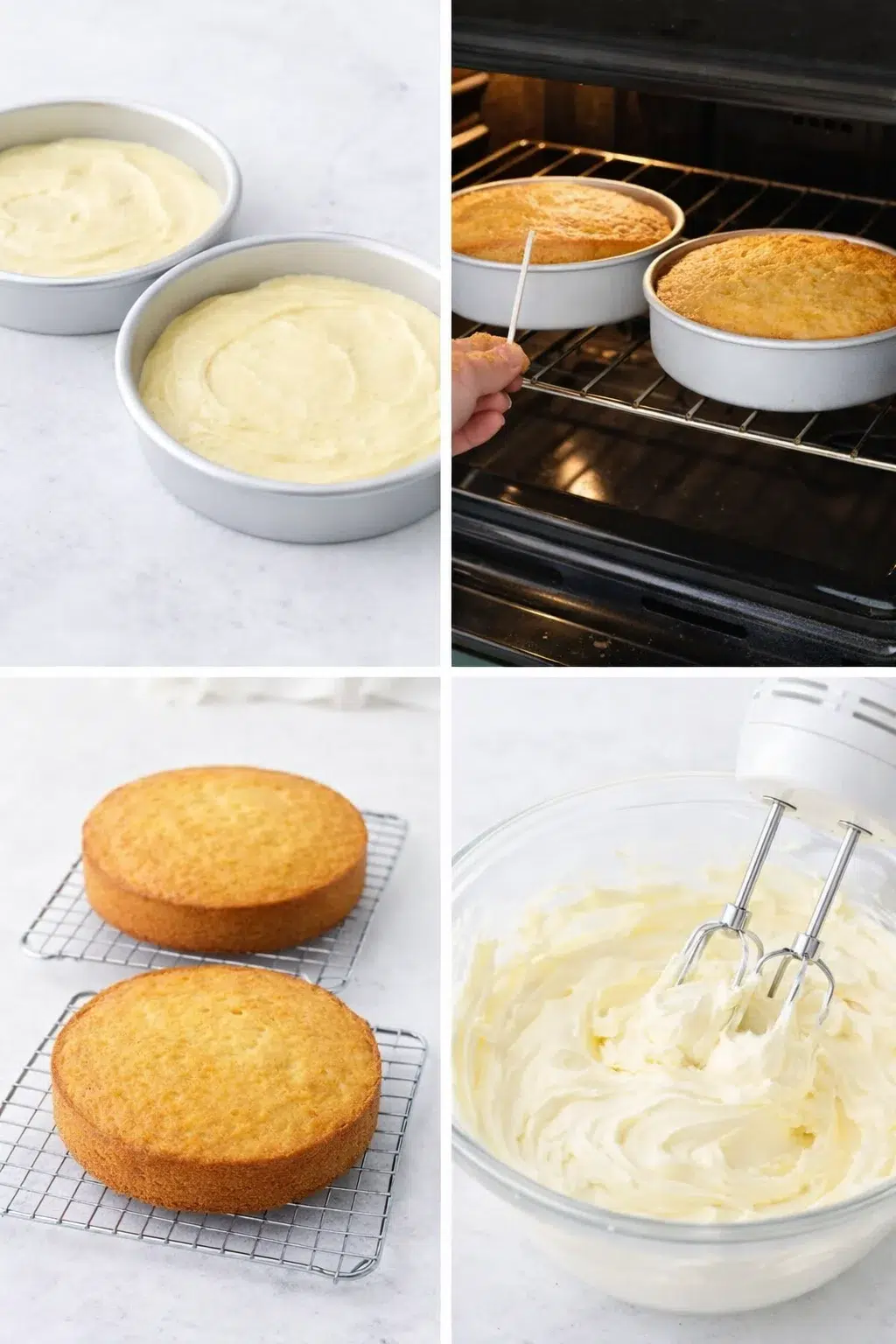
- Divide batter evenly between prepared pans and smooth the tops.
- Bake on the middle oven rack at 325°F for 40–45 minutes, or until a toothpick inserted in the center comes out clean or with a few moist crumbs.
- Cool pans on wire racks for 15 minutes, carefully remove the cakes from the pans, and cool completely on the racks.
-
Beat room-temperature cream cheese and butter in a large bowl on medium-high speed until silky smooth and creamy.
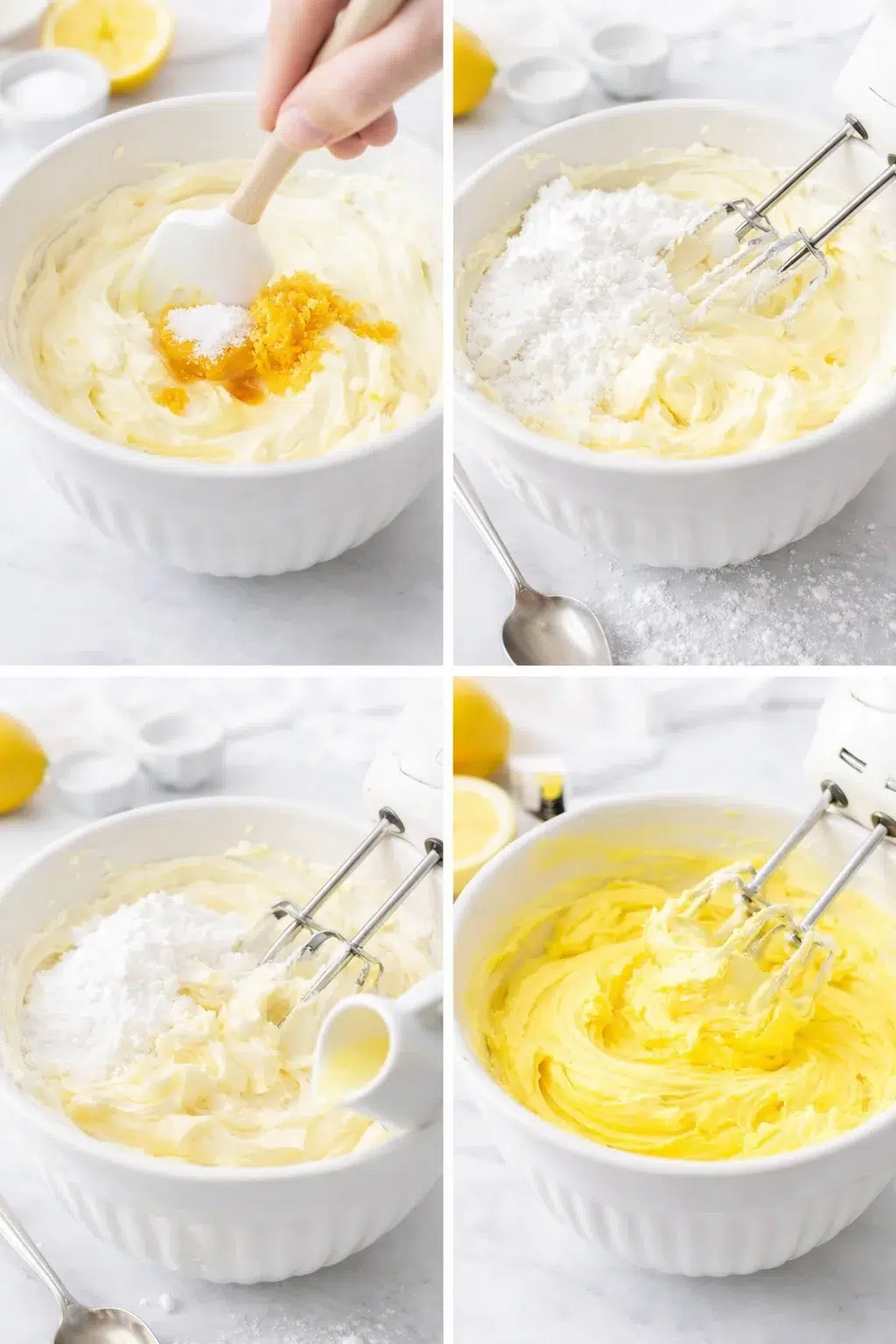
- Add lemon extract, fresh lemon zest, and a pinch of salt; mix to combine.
- Add powdered sugar in two additions, beating well after each until the frosting is smooth and creamy.
- If the frosting is too thick, stir in lemon juice one teaspoon at a time until spreadable.
-
Optionally add 1–2 drops yellow gel food coloring and beat until light and fluffy.
-
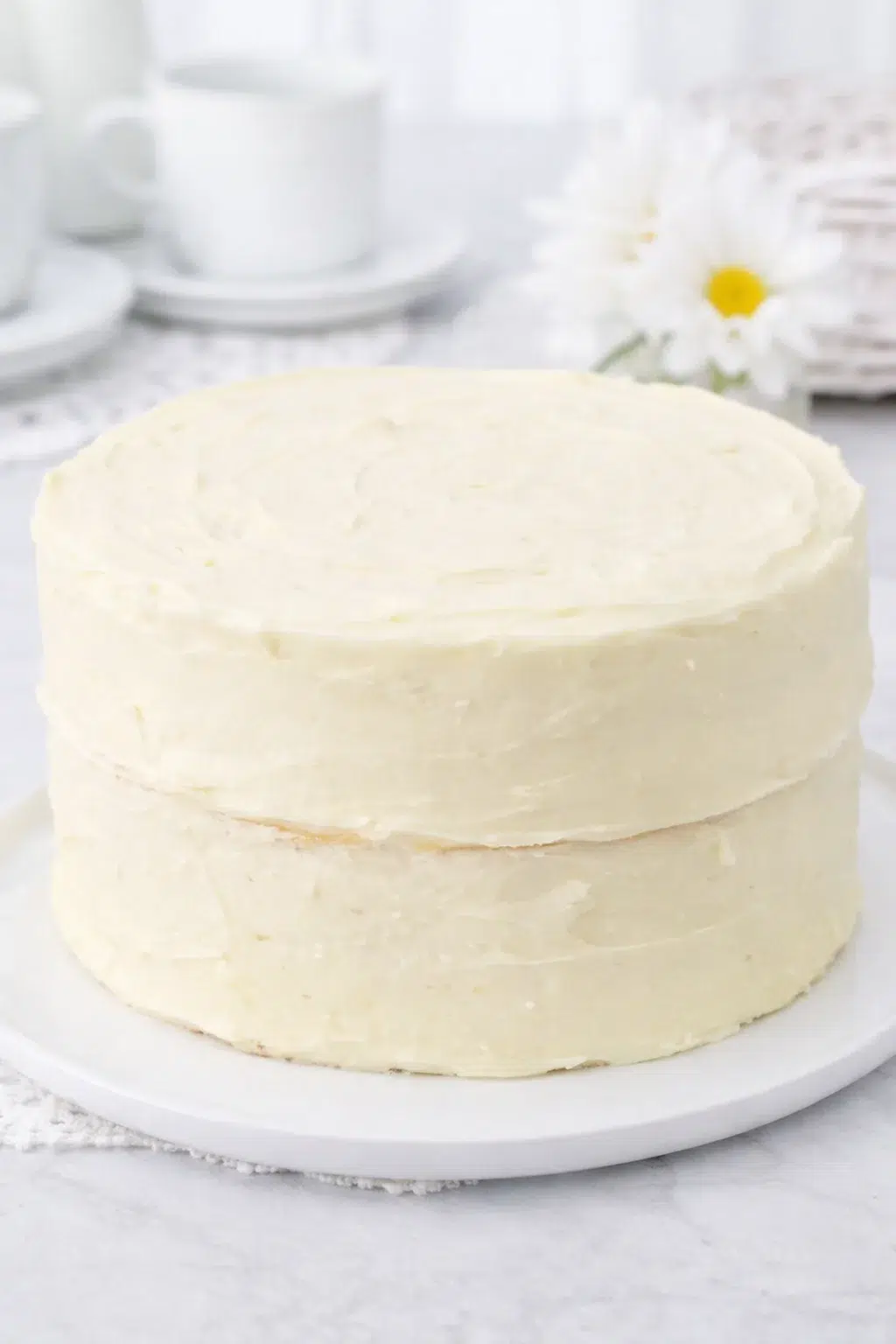
Stack and frost the cooled cake layers gently, handling delicately; chill briefly to set the frosting if desired.
Baker’s Tips for Success
Making a homemade cake can be super rewarding, but sometimes you need a few tricks up your sleeve. For this lemon velvet cake, here are some tips to keep it perfect:
- Use room temperature ingredients – cold eggs or butter can cause your batter to curdle or not mix smoothly.
- Be gentle when folding in your flour and liquids so your cake stays tender and not tough.
- If you don’t have lemon extract, lemon zest can give you lots of fresh flavor (see how it shines in this raspberry lemon loaf), but the extract really boosts the scent.
- Flat cake tops make decorating simpler, so no worries there!
- Don’t skip sifting or whisking your dry ingredients to avoid lumps.
- Check your oven temperature with an oven thermometer if you’re unsure – ovens can vary a lot.
Ways to Customize the Cake
- Switch up the frosting! Try classic American buttercream, silky Swiss meringue buttercream, or a lemon–lavender glaze for different textures and flavors.
- Add a layer of lemon curd or a thin spread of sunny raspberry or blueberry jam between layers for a tangy surprise inside.
- Want cupcakes instead? Use this batter to fill 24 cupcake liners (two standard pans). Bake them at 350°F and start checking for doneness around 20–25 minutes.
- Need a different pan? A well-greased bundt pan (bake at 325°F, start checking at 40 minutes but expect longer) or a 9×13-inch sheet pan (325°F, check at 40 minutes) both work — just keep testing with a toothpick. For a festive example, see our Lemon Coconut Bundt Cake.
- No buttermilk? Make your own sour milk by replacing 1 tablespoon of milk with 1 tablespoon lemon juice or vinegar per cup of milk, then let it sit for 5 minutes before using.
- Prefer no food coloring? Skip it! If you do use liquid coloring instead of gel, expect to add a bit more to get the same sunny yellow.
How to Store and Reheat
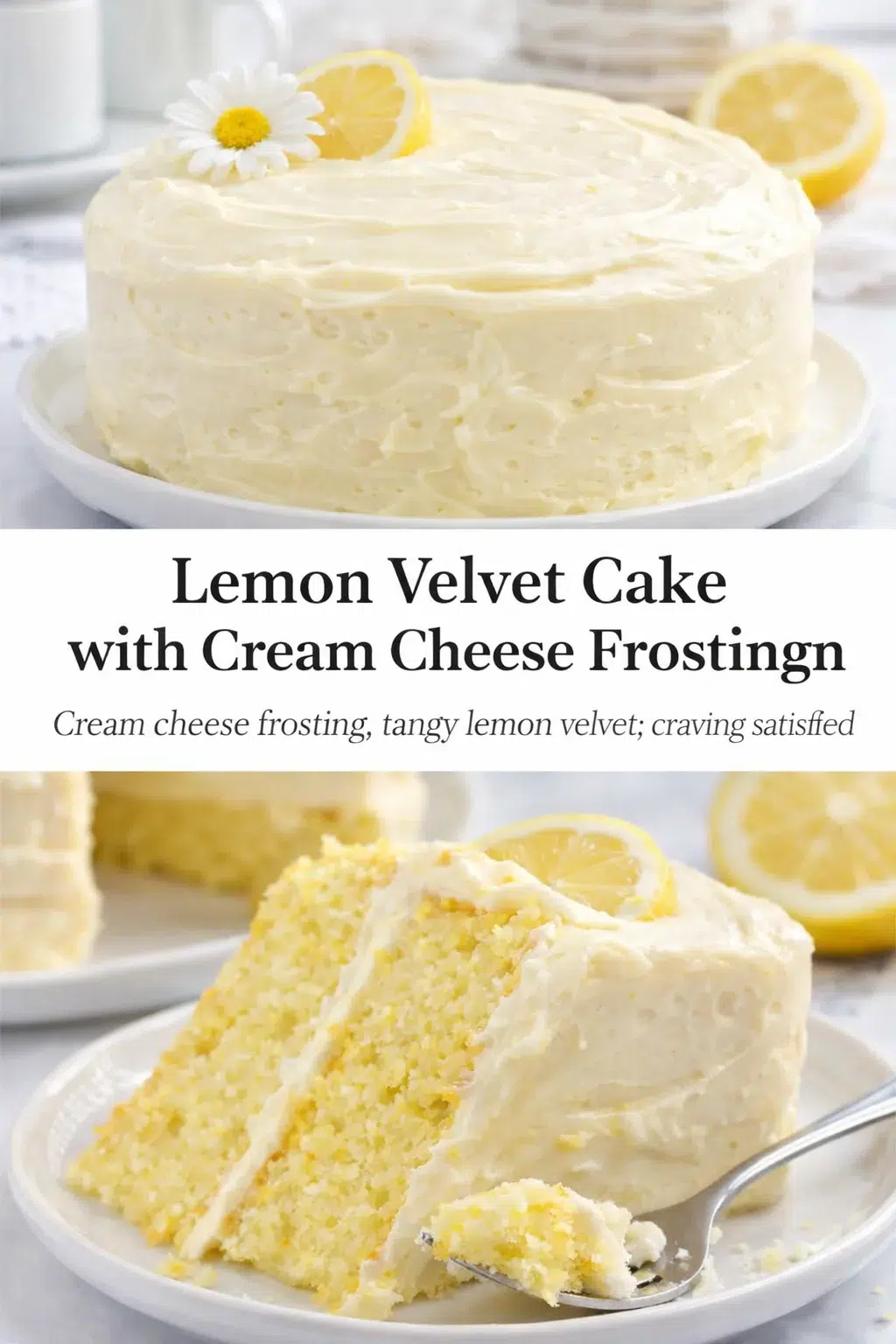
Store your beautifully frosted lemon velvet cake airtight in the fridge. It’ll stay moist and delicious for up to 5 days thanks to that creamy cream cheese frosting.
Before serving, bring slices out to come closer to room temperature for about 20 minutes so the flavors really shine. If you’re in a rush, pop a slice in the microwave for a few seconds, but watch carefully—the frosting melts fast!
Want to prep ahead? Once baked and completely cooled, wrap layers tightly in plastic wrap and then foil, and freeze for up to a month. This freeze-then-frost approach also works for other citrus layer cakes, like our Strawberry Lemon Cake. Thaw wrapped layers on the counter before frosting. Any leftover frosting can be kept covered in the fridge for a few days; just give it a quick whip before spreading to freshen it up.
Frequently Asked Questions
- Can I use margarine instead of butter? For best results, stick to butter. Margarine can change the taste and texture, and won’t give the same lovely richness.
- Can I use salted butter? Unsalted butter is ideal so you can control how much salt goes in. If you use salted butter, simply skip the additional salt in the recipe.
- What if I don’t have buttermilk? No worries! Use the sour milk substitute: for each cup, remove 1 tablespoon milk and replace with 1 tablespoon lemon juice or vinegar, then let it sit for 5 minutes before using.
- Can I use lemon juice instead of lemon extract? Lemon extract is concentrated and provides a brighter lemon flavor without adding extra liquid. You can omit the extract in the frosting for a milder taste, but for the cake, the extract really helps boost the lemon notes. If you’re out of extract and want a dessert that leans on fresh zest and juice instead, try our Lemon Crinkle Cookies.
- How do I know when the cake is done? Insert a toothpick into the center of the cake. It should come out clean or with just a few moist crumbs — no wet batter.
- Why do my cake layers bake flat on top? That’s totally normal for this recipe because of the moisture content. Flat tops are actually great because they make stacking and decorating easier.
- Can I freeze the cake? Yes! You can freeze the cooled and wrapped cake layers for up to a month. When you’re ready, thaw them at room temperature, then frost.
- How long can the cake keep? When stored airtight in the fridge, it will stay fresh and yummy for about 5 days.
- Is this cake good for stacking or tiered cakes? The cake is delicate but stable enough for stacking if you use proper supports like cake boards and dowels for taller tiered cakes.