
Golden French Toast (The Way My Family Loves It)
By Helen Whitaker, Cookliva
There’s something about French toast that feels like a quiet kind of luxury. Not fancy. Not complicated. Just warm bread, kissed with custard, sizzling gently in butter while the kitchen fills with that sweet vanilla aroma.
On Sunday mornings, this is Tom’s unofficial request. He’ll wander into the kitchen, coffee in hand, and say, “Are we doing the good toast today?” The kids, Emma and Noah, call it “dessert breakfast.” And honestly? They’re not wrong.
But what makes this French toast special isn’t just the golden edges or the soft, custardy center. It’s the method — simple, thoughtful, and forgiving. The kind of recipe that turns everyday ingredients into something that feels slow and meaningful.
Let me show you how I make it.
Why You’ll Love This Recipe
This French toast recipe is everything I want breakfast to be:
- Soft in the center, never soggy
- Crisp, golden edges with buttery flavor
- Lightly sweet, not overpowering
- Easy enough for weekday mornings
- Impressive enough for brunch guests

The custard ratio is balanced so the bread absorbs flavor without collapsing. That means no wet middles, no burnt outsides, and no scrambled egg flavor — just smooth, vanilla-kissed warmth.
And the best part? You probably already have everything in your kitchen.
The Origin of This Recipe
French toast has humble roots. It wasn’t originally about indulgence — it was about avoiding waste. Stale bread was soaked in milk and eggs, then fried so nothing went to waste. That practical wisdom speaks to me deeply. My grandmother cooked the same way — stretching ingredients, making simple food feel abundant.
Over time, French toast evolved into something more celebratory. Cinnamon, vanilla, sugar — little additions that turned necessity into comfort. That’s the version we make today. Still simple. Still thoughtful. But undeniably cozy.
Ingredients
This recipe serves 4 comfortably.
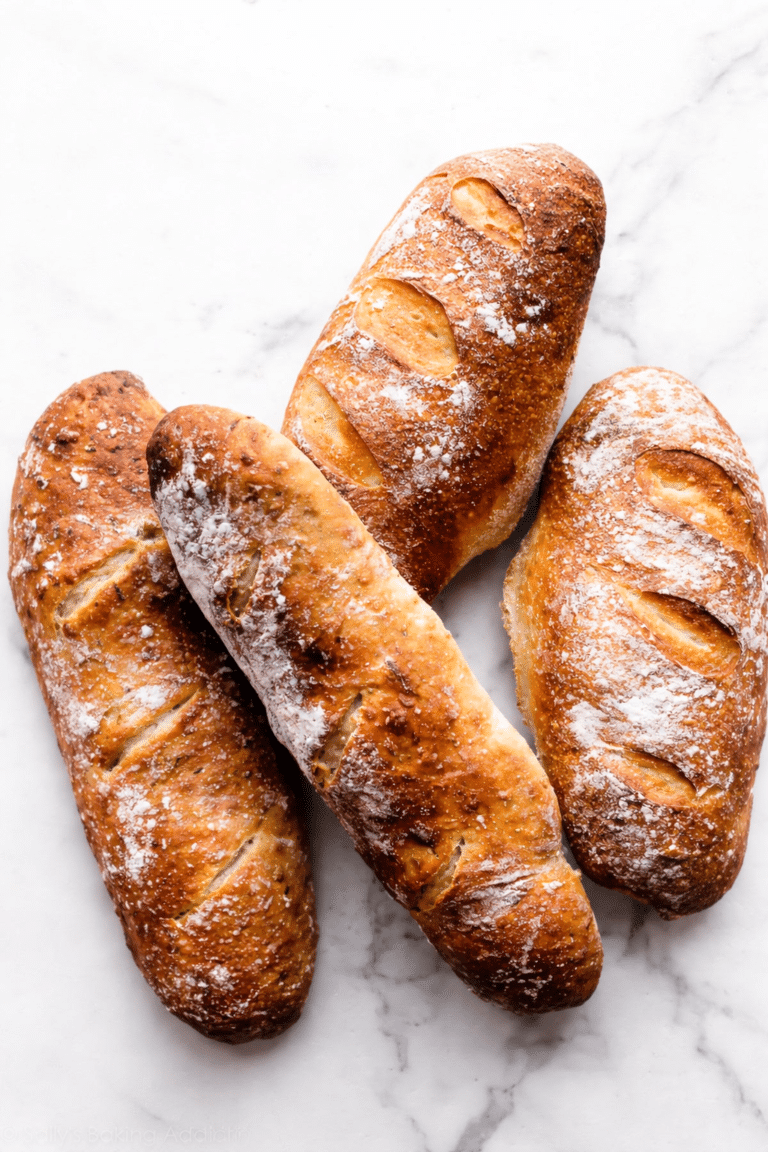
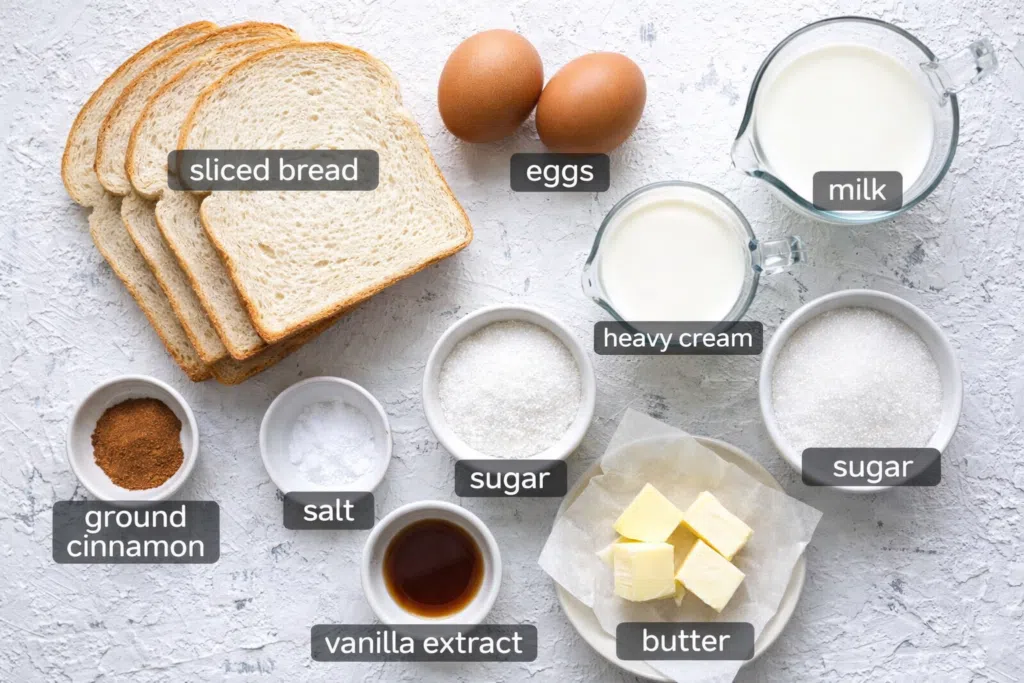
- 8 thick slices day-old bread (brioche, challah, or sturdy sandwich bread)
- 3 large eggs
- 3/4 cup whole milk
- 1/4 cup heavy cream (optional but recommended for richness)
- 2 tablespoons sugar
- 1 1/2 teaspoons vanilla extract
- 1/2 teaspoon ground cinnamon
- Pinch of salt
- Butter for cooking
- Maple syrup, fresh berries, or powdered sugar for serving
Why These Ingredients Work
Bread: Slightly stale bread is ideal because it absorbs custard without falling apart. Soft fresh bread can become mushy. Thick slices give you that plush interior.
Eggs: They create structure. Too many and you’ll taste scrambled egg. Too few and the toast won’t set properly.
Milk + Cream: Milk keeps it light; cream adds gentle richness. If you only have milk, it still works beautifully.
Vanilla & Cinnamon: These bring warmth and sweetness without overwhelming the dish.
Instructions (Beginner-Friendly and Foolproof)
Step 1: Prepare the Custard
In a wide bowl, whisk together eggs, milk, cream, sugar, vanilla, cinnamon, and salt.
Whisk thoroughly until fully combined. You don’t want streaks of egg white — that’s what causes uneven cooking later.
Tip: Don’t over-whisk to the point of foaming. Gentle blending is enough.
Step 2: Preheat the Pan
Heat a non-stick skillet or griddle over medium heat. Add a small pat of butter and let it melt slowly.
If the butter browns too quickly, your heat is too high. French toast needs steady, moderate heat to cook through without burning.
Step 3: Soak the Bread
Place one slice of bread into the custard. Let it soak for about 10–15 seconds per side.
You want the bread saturated but not collapsing. Brioche and challah can soak slightly longer. Sandwich bread needs less time.
Common mistake: Leaving bread in too long creates soggy centers.
Step 4: Cook Gently
Transfer soaked bread to the pan. Cook 2–3 minutes per side.
Look for:
- Golden brown color
- Slightly puffed center
- Firm edges when pressed lightly
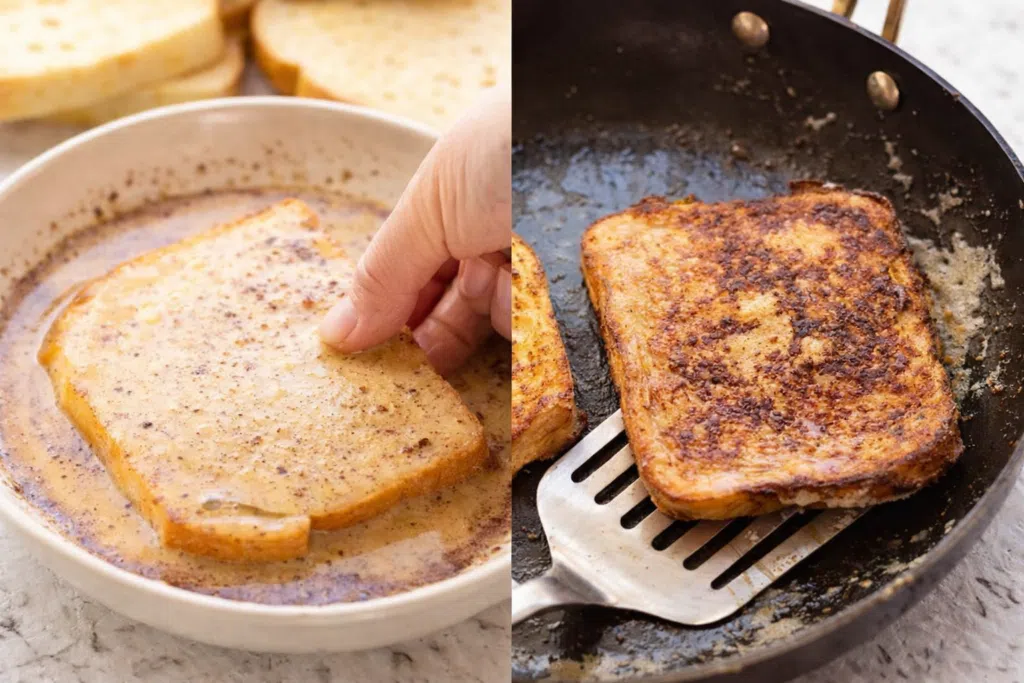
If the outside browns before the center sets, lower the heat.
Step 5: Keep Warm (Optional but Helpful)
Place cooked slices on a wire rack in a 200°F (95°C) oven while you finish the batch. This keeps them warm without steaming them soft.
Step 6: Serve Immediately
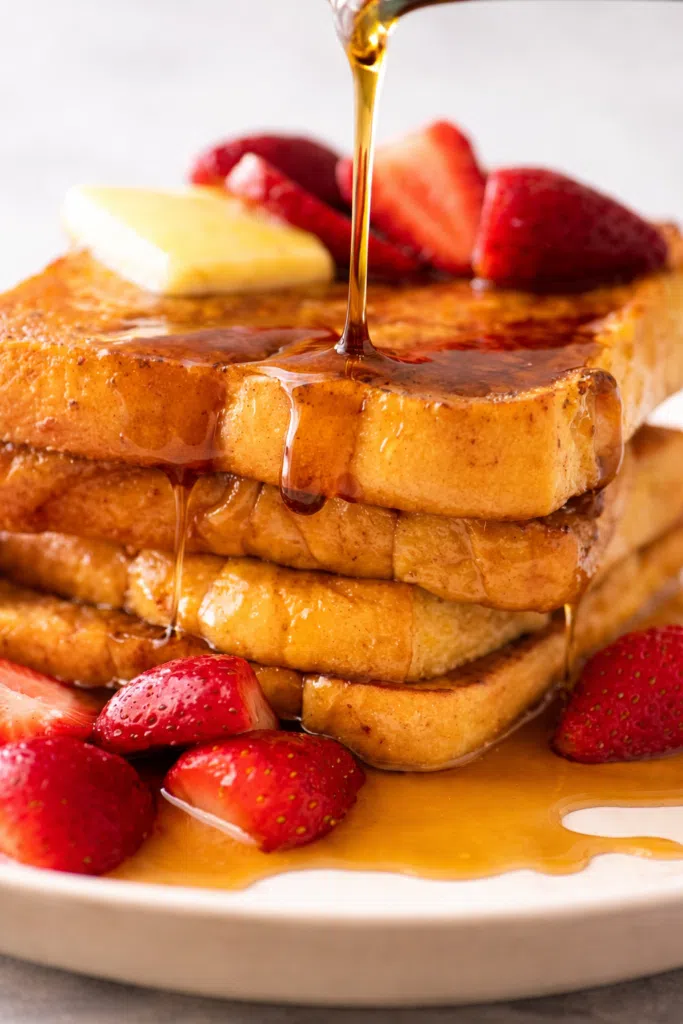
Top with butter, maple syrup, fresh berries, or a light dusting of powdered sugar.
Emma loves hers with strawberries. Noah insists on chocolate chips. Tom? Just butter and syrup. Always.
Tips & Flavor Variations
- Use day-old bread whenever possible. Slight dryness allows better absorption and prevents sogginess.
- Add a splash of orange zest. It brightens the custard and balances sweetness beautifully.
- Try brown sugar instead of white. It adds subtle caramel notes that deepen flavor.
- Make it dairy-free. Use almond or oat milk and skip the cream. The texture stays soft and satisfying.
- Turn it into stuffed French toast. Spread cream cheese and berries between two slices before dipping.
- Savory twist: Omit sugar and cinnamon. Add salt, black pepper, and fresh herbs. Serve with crispy bacon or sautéed mushrooms.
Each variation works because the base custard is balanced — not too sweet, not too heavy.
Common Myths & Mistakes
Myth 1: Fresh Bread Makes the Best French Toast
Many people assume soft, fresh bread is ideal because it feels tender. The logic seems sound — soft bread equals soft French toast. But in reality, fresh bread contains too much moisture already. When soaked in custard, it becomes oversaturated quickly, leading to a soggy center and uneven cooking.
This belief likely comes from convenience. Fresh bread is what we usually have on hand. But moisture content matters. Slightly stale bread has lost some internal water, which allows it to absorb the custard properly without breaking down.
The correct approach is simple: use day-old bread or lightly toast fresh slices for a few minutes before soaking. This small step dramatically improves structure and texture.
Myth 2: The More Eggs, the Richer and Better
It’s easy to assume more eggs mean more richness. But increasing eggs too much actually shifts the texture from custardy to rubbery. The bread begins to taste like fried omelet rather than French toast.
This myth likely stems from confusion between custard-based desserts and breakfast French toast. While custards require eggs for structure, balance is everything.
The correct ratio keeps eggs supportive — not dominant. Stick to three eggs for about eight slices of bread. This ensures flavor without heaviness.
Myth 3: High Heat Cooks It Faster (and Better)
Many beginners turn the heat up to speed things along. But French toast needs moderate heat. Too hot, and the exterior burns before the inside cooks through. That leaves you with dark crust and raw middle.
This misconception comes from treating French toast like grilled cheese — quick and hot. But because the bread is soaked in custard, it needs time to set internally.
The correct approach is medium heat, patience, and visual cues. Look for golden brown color, slight puffing, and firm edges before flipping.
FAQ – Frequently Asked Questions
Why is my French toast soggy in the middle even though the outside looks done?
This usually happens when the heat is too high. The exterior browns quickly while the inside remains undercooked. It can also happen if the bread was oversoaked. Use medium heat and let each side cook fully before flipping. If needed, reduce heat slightly and allow an extra minute per side. Also ensure your custard isn’t overly egg-heavy, which can create a dense center.
Can I make French toast without heavy cream?
Yes, absolutely. Heavy cream adds richness but isn’t essential. Whole milk works perfectly on its own. If you want extra richness without cream, you can increase milk slightly and add a teaspoon of melted butter into the custard mixture. The texture will still be soft and flavorful.
What’s the best bread to use for French toast?
Brioche and challah are excellent because they’re sturdy and slightly sweet. However, thick-cut sandwich bread works well too. The key is thickness and slight dryness. Avoid very thin slices — they tear easily and cook unevenly.
Can I prepare French toast ahead of time for brunch?
Yes. You can cook it fully, let it cool, then store in the refrigerator for up to three days. Reheat in the oven at 350°F (175°C) for about 8–10 minutes. Avoid microwaving if possible — it softens the texture too much.
Can I freeze cooked French toast?
Definitely. Allow slices to cool completely. Freeze in a single layer on a baking sheet, then transfer to a freezer bag with parchment between layers. Reheat directly from frozen in a toaster or oven until warmed through.
Storage & Make-Ahead Tips
French toast stores surprisingly well when handled properly.
Allow slices to cool completely before storing. If placed in a container while warm, trapped steam creates moisture that leads to sogginess later. Once cool, place in an airtight container and refrigerate for up to 3 days.
For freezing, lay slices flat on a baking sheet until frozen solid. Then stack with parchment between layers and seal in a freezer-safe bag. They’ll keep beautifully for up to 2 months.
To reheat, skip the microwave if possible. A toaster, toaster oven, or standard oven at 350°F (175°C) restores the lightly crisp exterior while warming the inside evenly. If reheating from frozen, add a few extra minutes.
Texture preservation tip: Avoid stacking warm slices directly on top of each other. Use a wire rack to prevent steam buildup.
Conclusion
French toast doesn’t have to be complicated to feel special. It’s a recipe built on simplicity, patience, and a little attention to detail.
In our home, it’s not just breakfast — it’s a pause. A slow morning. A reason to gather at the table just a little longer.
And sometimes, that’s exactly what we need.
Print
Golden French Toast
- Total Time: 25 minutes
- Diet: Vegetarian
Description
Description: Soft, custardy French toast with golden edges and warm vanilla flavor. A simple, foolproof breakfast perfect for family mornings.
Ingredients
8 thick slices day-old bread
3 large eggs
3/4 cup whole milk
1/4 cup heavy cream
2 tablespoons sugar
1 1/2 teaspoons vanilla extract
1/2 teaspoon ground cinnamon
Pinch of salt
Butter for cooking
Maple syrup for serving
Instructions
-
Whisk together eggs, milk, cream, sugar, vanilla, cinnamon, and salt.
-
Heat butter in a skillet over medium heat.
-
Soak bread slices in custard for 10–15 seconds per side.
-
Cook 2–3 minutes per side until golden brown and cooked through.
-
Serve warm with butter and syrup.
Notes
Use slightly stale bread for best texture.
Store leftovers refrigerated for up to 3 days or freeze up to 2 months.
Reheat in oven or toaster for best results.
- Prep Time: 10 minutes
- Cook Time: 15 minutes
- Category: Breakfast
- Method: Stovetop
- Cuisine: American
Nutrition
- Serving Size: 4 servings
- Calories: 350 per serving
- Sugar: 10g
- Fat: 15g