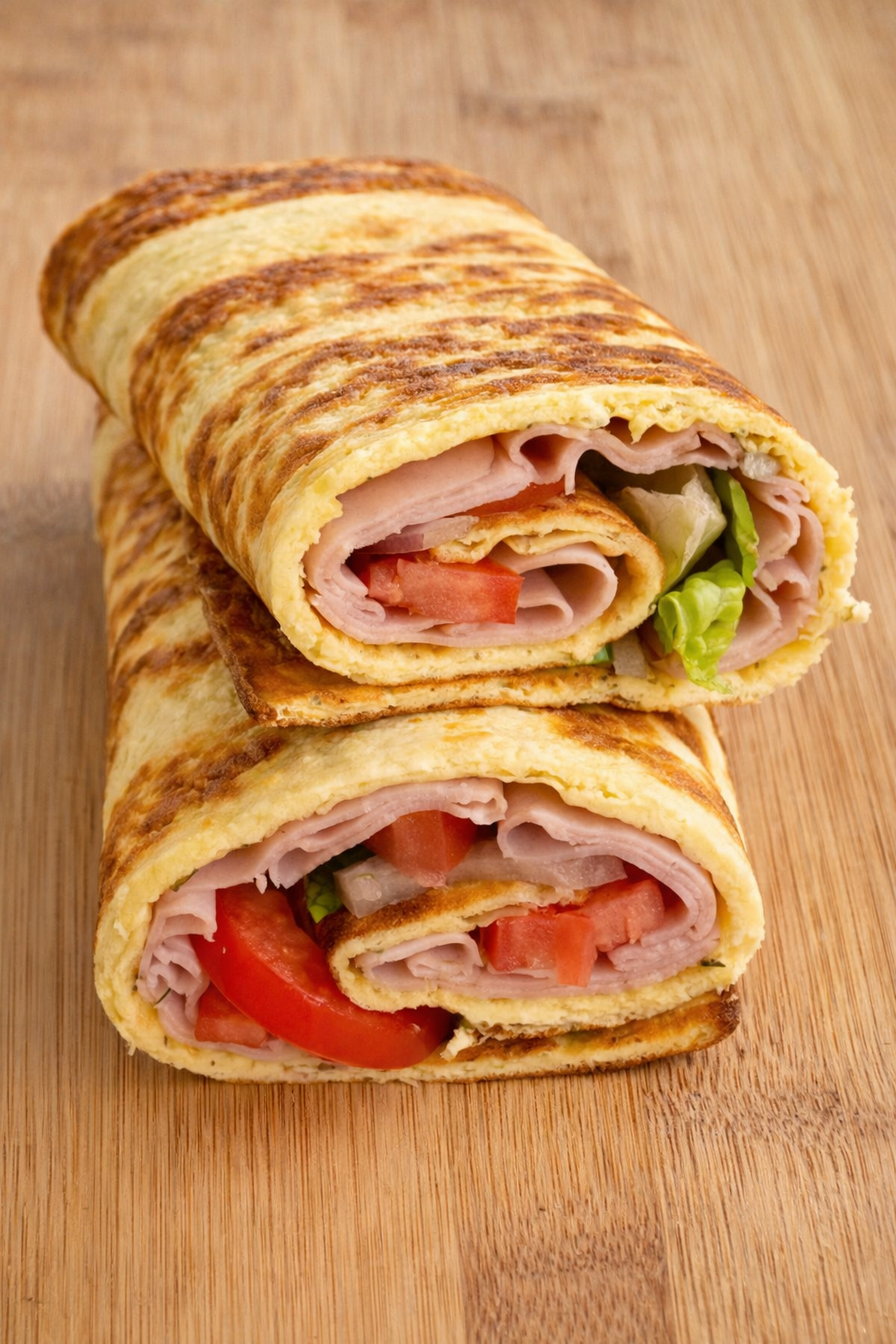
You’ll Never Make Cottage Cheese Flatbread Another Way
Some recipes surprise me the very first time I pull them from the oven, and this cottage cheese flatbread did exactly that. The first time I made it, my husband Daniel stood at the counter waiting for it to cool, and my two kids, Sophie and Liam, kept asking whether it was pizza, bread, or a wrap. Honestly, it turned out to be a little bit of all three, and that is exactly why I keep making it.
What I love most is how simple it feels. There is no kneading, no waiting for dough to rise, and no long ingredient list to manage after a busy day. It is one of those calm kitchen recipes that gives you something satisfying with very little fuss, and in my house, that always earns a permanent place in the rotation.
Quick ANSWER
Cottage cheese flatbread is a soft, high-protein baked flatbread made by blending cottage cheese with eggs and seasonings, then baking the mixture until set and lightly golden. It works beautifully as a wrap, sandwich base, pizza-style crust, or quick lunch option when you want something easy, filling, and gluten-free without dealing with traditional dough.
Quick Overview
This is a simple oven-baked flatbread with a tender, flexible texture once cooled. The cottage cheese gives it body, moisture, and protein, while the eggs help everything set into a sliceable, foldable bread. A little seasoning brings flavor, and the result is mild enough to pair with savory fillings but sturdy enough to hold up for lunch or meal prep.
Why You’ll Love This Recipe
I make this recipe when I want something practical that still feels homemade. It comes together with everyday ingredients, and there is something reassuring about that. Cottage cheese has a gentle, creamy tang that keeps the flatbread from tasting bland, while the eggs create structure so it bakes into something that feels much more substantial than you would expect from such a short ingredient list.
You will also love how adaptable it is. I have spread it with turkey and greens for lunch, cut it into strips for dipping into soup, and topped it with mozzarella and roasted vegetables for a fast dinner. Daniel likes it with deli chicken and mustard, Sophie prefers hers with melted cheese, and Liam will happily eat it plain while it is still slightly warm. That kind of flexibility makes a recipe incredibly useful in real life.
It is also beginner-friendly. If you can blend ingredients and spread batter on a pan, you can make this. There is no dough instinct required, no special shaping, and no complicated timing to master.

The Origin of This Recipe
This style of flatbread grew popular because home cooks wanted a quicker, lighter, higher-protein alternative to traditional wraps and breads. I understand the appeal completely. So many of us want meals that feel balanced and doable, especially on weekdays, and this recipe fits that need beautifully.
What made me keep returning to it, though, was not just the nutrition side. It was the texture. The first time I let it cool properly and rolled it around sandwich fillings, I realized this was more than a trend recipe. It was actually useful. That is always the difference for me. A recipe becomes worth sharing when it works in an ordinary family kitchen more than once.
Ingredients
Here is what I use in my kitchen:
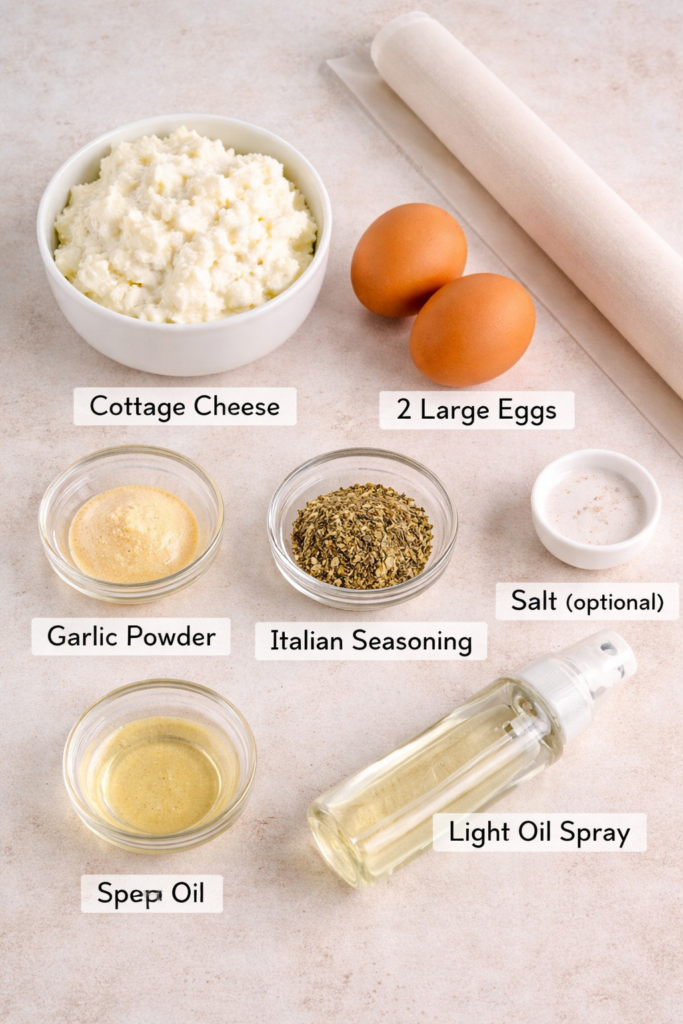
- 1 cup cottage cheese
- 2 large eggs
- 1/4 teaspoon garlic powder
- 1/2 teaspoon Italian seasoning
- Pinch of salt, if needed
- Light spray of oil for the pan
- Parchment paper
The cottage cheese is the heart of this recipe. It brings creaminess, protein, and just enough richness to make the flatbread satisfying. Full-fat cottage cheese gives the best flavor in my opinion, but lower-fat versions can work too. The eggs are what hold everything together. Without them, the mixture would not bake into a flexible flatbread.
Garlic powder adds a quiet savory note, and Italian seasoning gives the top a warm, herby aroma. You can absolutely change the seasoning depending on how you plan to serve it, but I love this combination because it makes the kitchen smell inviting and gives the flatbread a versatile flavor.
Instructions
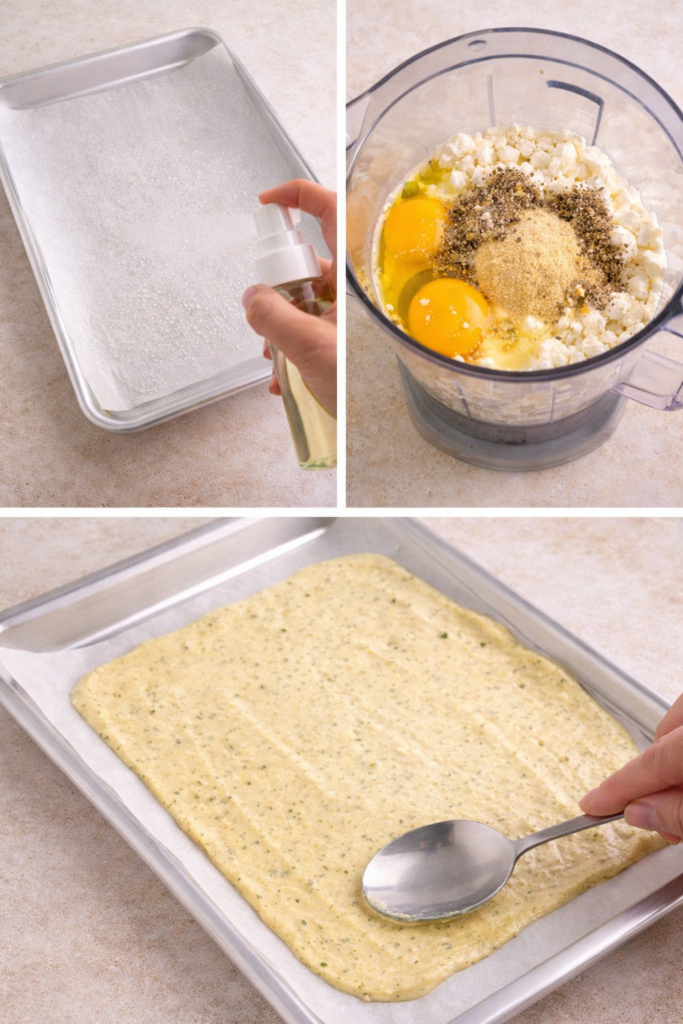
1. Preheat the oven and prepare your pan
Set your oven to 350°F. Line a small sheet pan or a quarter sheet pan with parchment paper, then lightly spray it with oil. Do not skip the parchment. This batter is delicate before baking, and parchment makes removal much easier. If the pan is not lined well, the flatbread can stick and tear.
2. Drain the cottage cheese if it looks watery
Before blending, take a quick look at your cottage cheese. If there is a lot of liquid sitting on top, pour that off first. This matters because too much moisture can make the batter thin and cause the flatbread to bake unevenly. You want a mixture that spreads easily but does not run all over the pan like soup.
3. Blend the batter until completely smooth
Add the cottage cheese, eggs, garlic powder, and a little salt if you like to a blender or small food processor. Blend until the mixture is smooth and creamy, with no visible curds. This usually takes less than a minute. The smoother the batter, the more even and flexible your flatbread will be. If you leave it lumpy, the texture can bake up patchy.
4. Spread the batter into an even layer
Pour the mixture onto the prepared pan and use the back of a spoon or a small offset spatula to spread it into a rectangle. Try to keep the thickness even from edge to edge. This step matters more than people realize. Thin spots can turn crisp too early, while thick spots may stay soft in the center. Aim for a layer that is thin enough to bake quickly but thick enough to remain pliable once cooled.
5. Add seasoning on top
Sprinkle the Italian seasoning over the surface. This little step gives the flatbread more aroma and flavor than mixing everything into the batter alone. You can gently press the seasoning into the top if you want it to stick better.
6. Bake until set and lightly golden
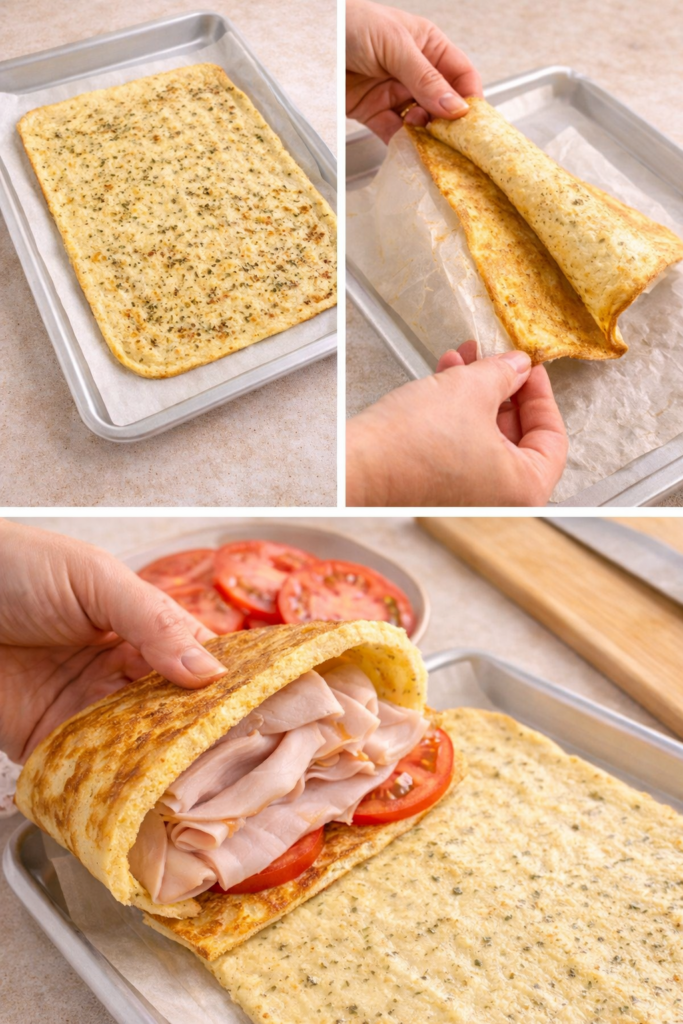
Bake for about 28 to 32 minutes. You are looking for edges that are lightly golden and a center that no longer looks wet or glossy. If the middle jiggles or appears shiny, it needs a few more minutes. Avoid underbaking, because that is the quickest way to end up with a flatbread that tears when you try to lift or roll it.
7. Cool completely before using
This is the most important step of all. Let the flatbread cool fully on the pan before trying to peel it off the parchment or fold it. While hot, it is fragile. Once cooled, it becomes much more flexible and easy to handle. I know it is tempting to rush this part, especially when Daniel is already slicing tomatoes at the counter, but patience really pays off here.
8. Slice, fold, or fill
Once cool, use it as a wrap, cut it into halves, or top it like a flatbread pizza. It works beautifully with turkey, lettuce, tomato, hummus, chicken salad, or even scrambled eggs for breakfast.
Tips & Flavor Variations
My first tip is to drain excess liquid from the cottage cheese whenever it looks watery. That small step improves the batter consistency and helps the flatbread bake evenly instead of turning soft in the center and crisp at the edges.
My second tip is to blend longer than you think you need to. A very smooth batter creates a much better final texture. Tiny curds can leave weak spots, while a silky batter bakes into a more uniform bread that folds more cleanly.
My third tip is to watch the center, not just the timer. Ovens vary, and visual cues matter more than exact minutes. The middle should look set and matte, not shiny. That is how you know the eggs have fully cooked and the structure is strong enough to hold fillings.
My fourth tip is to cool it fully before rolling. This is what prevents cracking. Warm flatbread often feels softer, but in this case, cooling improves flexibility and makes it easier to remove from the parchment in one piece.
My fifth tip is to trim overly crisp edges if needed. There is no shame in making the final shape neater. If your edges darken too much, simply slice them off. The center will still be tender and perfect for wraps.
For flavor variations, I love adding everything bagel seasoning when I want a breakfast-style wrap. For a more savory lunch version, try onion powder, black pepper, and dried oregano. For a seasonal twist, a little rosemary and cracked pepper feels wonderful in cooler months. If you want a cheesy version, sprinkle a tablespoon or two of Parmesan over the top before baking for deeper flavor. You can also make it a little sweeter by leaving out the garlic and herbs, then using it as a base for nut butter and fruit, though I personally prefer it on the savory side.
Serving Ideas
This is where this recipe really shines. It’s one of those versatile staples that adapts to whatever you have on hand.
For quick lunches, I usually fill it with deli turkey, crisp lettuce, and juicy tomato slices. It’s simple, fresh, and exactly what Sophie asks for after school. Liam prefers his a bit more minimal — just melted cheese folded inside — and honestly, that’s just as satisfying.
For dinner, I often turn it into a quick flatbread pizza. I add a little sauce, sprinkle cheese, and top it with whatever vegetables we have in the fridge. A few minutes in the oven, and it becomes something completely different.
You can also slice it into strips and serve it alongside soups or dips, or even use it for breakfast wraps with eggs and avocado. It’s one of those recipes that quietly becomes part of your routine without you even realizing it.
Storage
In my kitchen, this flatbread rarely lasts long… but when I intentionally make extra (which I’ve started doing more often), I make sure to store it properly so it stays soft and usable.
Once it has completely cooled, I cut it into portions and place a piece of parchment paper between each one. This small step really helps prevent sticking, especially once it’s chilled. Then I store everything in an airtight container in the fridge.
It keeps well for up to 2 days, maintaining a nice texture. After that, it’s still safe to eat, but it tends to become a bit more delicate and slightly moist.
When it comes to reheating, I always prefer using the oven or a dry pan. Just a few minutes brings back that lightly firm texture. The microwave works in a pinch, but it softens the flatbread quite a bit — and Daniel always notices the difference.
If you’d like to make it ahead, you can also freeze it. Just layer parchment between each piece and store in a freezer-safe bag. When ready to use, let it thaw gently, then warm it in the oven for best results.
Common Myths & Mistakes
Myth 1: Cottage cheese flatbread always tastes strongly like cottage cheese
This is one of the most common worries people have before trying the recipe, and I understand why. Cottage cheese has a distinct smell in the container, so many cooks assume the finished flatbread will taste overwhelmingly cheesy or tangy. That belief usually comes from judging the raw ingredient instead of the finished baked result. Social media videos do not always explain how much the flavor changes once it is blended with eggs and baked.
The truth is that the final flavor is much milder than people expect. Once the batter is seasoned and cooked, the cottage cheese becomes more of a creamy, neutral base than a dominant flavor. It supports the texture and richness far more than it announces itself. That is why the flatbread pairs so well with sandwich fillings, herbs, vegetables, and spreads.
The correct approach is to season it according to how you want to serve it. If you want a savory wrap, add garlic, herbs, pepper, or onion powder. If you want a milder result, keep the seasoning simple and let the fillings do the work. Do not let the fear of a strong cottage cheese flavor stop you from making it, because the baked version is much gentler and more versatile than people imagine.
Myth 2: If the flatbread cracks, the recipe failed
A lot of people assume that any cracking means the recipe did not work, but that is not actually true. In most cases, cracking happens because of handling, temperature, or thickness, not because the batter itself was wrong. People believe this myth because traditional bread recipes often feel unforgiving, and when something tears, it seems like a total failure. Add in a few rushed attempts straight from the oven, and it is easy to think the recipe is flawed.
What usually causes cracking is undercooling or overbaking. If you try to peel and roll the flatbread while it is still warm, it is more delicate and likely to split. If it bakes too long, especially around the edges, those parts dry out and become brittle. Uneven spreading can also create weak points that break more easily.
The correct approach is to spread the batter evenly, bake only until the center is set, and let it cool completely before moving it. That cooling period helps the structure relax and become more pliable. If the edges are too crisp, trim them. A small crack does not mean the recipe failed. It usually means one step needs adjusting, and once you know that, the next batch is almost always better.
Myth 3: More cottage cheese or more eggs will automatically make it better
This myth sounds logical at first because people often think more protein or more moisture must improve the recipe. In reality, this is one of the fastest ways to throw off the texture. The belief usually comes from experimentation without understanding balance. Because the ingredient list is short, it is tempting to freestyle the measurements and assume the flatbread will still bake properly.
But this recipe depends on ratio. Too much cottage cheese can make the batter loose and watery, which leads to a soft center that never quite sets. Too many eggs can create a rubbery texture that feels more like a thin omelet than flatbread. When the balance is off, the result is not just slightly different. It changes the whole structure and handling quality of the finished bread.
The correct approach is to follow a tested proportion first, then make only small adjustments after you understand how the batter should look. If you want more flavor, change the seasonings. If you want a slightly richer result, use a fuller-fat cottage cheese. Keep the core ratio steady. In simple recipes like this, balance matters much more than extra ingredients.
Healthy Benefits
One of the reasons I keep coming back to this recipe is how naturally balanced it feels without trying too hard.
Cottage cheese brings a generous amount of protein, which helps make this flatbread more filling than traditional options. It’s the kind of meal that keeps you satisfied longer, which is especially helpful on busy days.
It’s also naturally gluten-free, making it a great alternative for anyone trying to avoid refined flour. And because the ingredient list is so simple, you know exactly what you’re eating — something I always appreciate when cooking for my family.
Another benefit is how customizable it is. You can keep it light and fresh with vegetables, or make it more indulgent with cheese and spreads. That flexibility makes it easy to adapt to different needs without needing a completely different recipe.
For me, it’s not about making “perfectly healthy” food — it’s about creating meals that feel good, taste good, and fit into real life. This one does all three.
FAQ – Frequently Asked Questions
How long does cottage cheese flatbread last in the fridge?
Cottage cheese flatbread is best within the first two days when stored in the refrigerator. I like to place pieces between sheets of parchment paper and keep them in an airtight container so they do not stick together or pick up extra moisture. By the second day, the texture is still good, though it may be a little more delicate than when freshly made. For the best eating experience, I usually warm it briefly in the oven or air fryer to bring back a bit of structure before serving.
Can I freeze cottage cheese flatbread without ruining the texture?
Yes, you can freeze it, but I recommend doing so with a little care. Let the flatbread cool completely first, then place parchment between each piece before storing in a freezer-safe container or bag. That keeps them from sticking and makes it easier to thaw only what you need. When you are ready to use it, thaw it in the fridge or at room temperature, then warm it gently in the oven. Microwaving can make it softer and slightly more fragile, so dry heat works better.
Why did my cottage cheese flatbread turn out watery in the middle?
A watery center usually points to one of three things: excess liquid in the cottage cheese, batter spread too thickly, or underbaking. The center needs enough time for the eggs to set fully, and if the batter is too wet or too deep, it can stay soft even when the edges look done. I always pour off extra liquid from the cottage cheese first and spread the batter evenly across the pan. If your oven runs cool, giving it a few extra minutes can make all the difference.
What can I substitute for Italian seasoning in cottage cheese flatbread?
You can easily swap Italian seasoning based on what you are serving with it. Oregano, basil, rosemary, thyme, onion powder, black pepper, or everything bagel seasoning all work well. For a more neutral flatbread, you can leave the herb blend out and use just a little salt and garlic powder. I would not recommend using fresh herbs in the batter unless they are chopped very finely, because they can add extra moisture. Dry seasonings tend to give the most reliable result and the most even flavor.
How do I keep cottage cheese flatbread from sticking to the parchment?
The best way to prevent sticking is to use good-quality parchment paper and lightly spray it before adding the batter. Even with parchment, some brands perform better than others, and that can make a surprising difference. Another key is letting the flatbread cool fully before peeling it away. Trying to lift it while warm can cause tearing and sticking because the structure has not fully settled yet. If needed, slide a thin spatula underneath the edge slowly and work your way around rather than pulling all at once.
Conclusion
This cottage cheese flatbread has quietly become one of those recipes I rely on more than I expected.
It’s simple, dependable, and fits into busy days without adding stress. There’s something comforting about knowing you can make something from just a few ingredients and turn it into a meal your whole family will actually enjoy.
Daniel loves it because it’s filling, Sophie enjoys building her own wraps, and Liam… well, he’s happy as long as there’s cheese involved. And for me, that’s what matters most.
Cooking doesn’t always have to be complicated to be meaningful. Sometimes, it’s the simplest recipes that bring everyone to the table.
And this is definitely one of them.