
cajaun sauce
Introduction / Hook
Imagine a sauce that wears its bold confidence like a well-worn leather jacket—smoky, bright, and unapologetically flavorful. A whisper of heat flares at the first taste, then settles into a comforting, velvety finish that coats everything it touches. This cajaun sauce is that kind of companion: a versatile, all-purpose elixir that elevates seafood, meats, vegetables, and even simple starches with a single, glossy swirl. It’s not merely a sauce; it’s a passport to the kitchen’s warmth and spectacle. When the pan meets the heat and this sauce meets the pan, you’ll hear the sizzle, catch a whiff of roasted edges, and feel a sense of home in every bite. The magic lies in its balance—depth without heaviness, brightness without sharpness, and structure that clings to whatever you pair it with, from a crisp fry to a slow-simmered dish. If you’ve ever wished for a single finishing touch that could tie a table of disparate flavors into a cohesive, memorable meal, you’ve found it in cajaun sauce.
The Story Behind the Dish
Some sauces carry the aroma of a single kitchen; others carry the story of traditions carried across oceans and generations. Cajaun sauce sits in a lineage that echoes the spirit of Cajun cooking—a cuisine born from the melding of cultures along the swamps and bayous of Louisiana. In the late 18th and early 19th centuries, Acadian refugees who fled upheaval in what is now eastern Canada settled in the region, bringing with them a pragmatic approach to cooking that thrived on bold seasonings, resourcefulness, and communal meals. Over time, Cajun cuisine evolved, absorbing influences from Indigenous peoples, West African culinary practices, French technique, and the local abundance of seafood, game, and produce. The result is a cuisine that is vibrant, rustic, and deeply regional, yet remarkably adaptable—the heart and soul of many family tables across generations. A modern cajaun sauce is a tribute to that heritage: it’s a contemporary expression of the same confidence and ingenuity that coax flavor from simple ingredients and turns everyday dinners into small, celebratory feasts. It’s the kind of sauce that makes you think of a kitchen lit by late afternoon sun, the sound of a skillet meeting a hot surface, and the shared joy of tasting something that’s both familiar and thrillingly new.
Why You’ll Love This Recipe
- Quick to put together: a few rounds of balance and bloom of flavor can transform a simple plate into something special.
- Incredible versatility: use it as a finish for seafood, poultry, roasted vegetables, grilled corn, or even a vegetarian stir-fry.
- Bold yet approachable: a confident, punchy profile that remains nuanced rather than overpowering, making it suitable for everyday meals and special occasions alike.
- Make-ahead friendly: a batch can rest, maturing a touch and becoming even more cohesive by the next day.
- Low-maintenance, high-impact: no need for elaborate garnishes or long ingredient lists to achieve restaurant-worthy allure.
- Terrific for gatherings: its character shines in a crowd—perfect for weeknight dinners that feel celebratory or weekend events that demand something memorable.
Flavor Profile & Texture
Cajaun sauce embodies a careful harmony of components that deliver both immediate impact and lingering satisfaction. The aroma is warm and inviting, with an initial smoke-kissed note that evokes a campfire gathering or a sizzling cast-iron skillet right after the first pour. There is a bright acidity that cuts through richness, lifting the palate and ensuring the sauce remains lively rather than cloying. The mid-palate settles into a savory depth, carrying a fullness that suggests complexity without heaviness. Think of a well-balanced interplay between depth and lift, where each element reveals a new facet upon further tasting—without any one note overpowering the others.
Texture-wise, cajaun sauce is silky and glossy, with enough body to cling to proteins and grains but not so thick that it becomes a glaze or a paste. It envelops rather than overwhelms, allowing the inherently simple textures of the dish you pair it with to come through—juicy seafood, crisp vegetables, tender meats, or fluffy rice. The finish lingers with a gentle warmth that invites another bite, pooling into the plate’s grooves and leaving a lasting impression of comfort and confidence. The sauce’s mouthfeel is where the magic often hides: a smooth, almost velvety curtain that carries the bold flavors forward while still letting subtle, savory nuances peek through at the end.
Occasions & Pairings
This sauce earns its keep in a wide range of settings, from weeknight dinners to festive gatherings. Its adaptability makes it a welcome guest at many tables, and it pairs especially well with foods that welcome a bold, finishing touch without needing complicated preparation.
- Weeknights with a crowd: a fast, fearless upgrade for simple proteins or roasted vegetables.
- Seafood nights: it shines spooned over grilled shrimp, blackened fish, or steamed shellfish, where its brightness complements the natural sweetness of seafood.
- Meat dishes: think roasted poultry, pork chops, or a quick pan-seared steak enhanced by a glossy glaze.
- Rice and grains: a spoonful over white rice, rice pilaf, or creamy grits adds depth and a hint of heat.
- Sandwiches and po’boys: a quick drizzle across a crusty sandwich elevates textures and unifies flavors.
- Side bowls and vegetables: a little extra at the table transforms simple sides into star components of the meal.
Suggested pairings include: sturdy, mildly sweet breads like cornbread or crusty loaves; plain rice or creamy grains that soak up sauce; crisp, sautéed greens or roasted vegetables that provide a counterpoint to the sauce’s richness; and light, bright beverages that refresh the palate between bites. The goal is to balance the sauce’s boldness with complementary textures and flavors so every element shines without fighting for attention.
Tips, Variations & Substitutions
One of the joys of cajaun sauce is its adaptability. Here are ideas to tailor it to your pantry, dietary needs, or desired heat level, without losing its essential character.
- Adjust the heat level: you can tailor the overall warmth by selecting the intensity of the spice elements you mix into the base. If you like it milder, ease up on the sharp edges; for a heat-lover’s version, lean into a stronger finish that lingers pleasantly.
- Vegan or dairy-free option: use a neutral oil or plant-based fat as the base, and finish with a gentle emulsification for a smooth, glossy texture. The result remains bold and satisfying without animal-derived ingredients.
- Gluten-free considerations: cajaun sauce as described can be naturally gluten-friendly, with attention paid to any seasoning blends that may contain gluten. Choose gluten-free flavor enhancers if you’re avoiding it entirely.
- Flavor twists for regional character: introduce subtle regional nods by varying the spice profile—keeping the core balance intact while drifting into smoky, citrusy, or herb-forward directions that suit your dish.
- Finish with a gentle emulsification: a brief finishing touch—whether with a neutral fat or a splash of a mild dairy option—can create a lingeringly smooth texture that coats surfaces beautifully.
- Pairing-friendly texture adjustments: if you prefer a lighter, more pourable finish, you can thin the sauce with a small amount of liquid; if you want extra cling, a slightly thicker, more velvety finish works well on hearty proteins.
- Make-ahead flavor development: allowing the sauce to rest for a short period can help the flavors harmonize and mellow into a cohesive, confident profile that’s even more satisfying when reheated gently.
Regional twists & cultural notes
In the broader family of Cajun and Creole-inspired sauces, cajaun sauce sits at a crossroads between rustic, pantry-friendly cooking and refined finishing technique. You might encounter recipes that emphasize smoky depth from outdoor cooking or reinterpret the same concept with different citrus accents, herbs, or smoke notes. The enduring appeal is that, no matter where you are, the core thrill remains the same: a robust, flavor-forward sauce that respects tradition while inviting personal adaptation. Embracing these variations can be a delicious way to honor regional preferences and your own pantry constraints, turning the sauce into a canvas for experimentation rather than a strict rule book.
Storage & Make-Ahead Ideas
Storing cajaun sauce properly helps preserve its lively character and ensures you can reach for it at a moment’s notice. A well-stored batch maintains its gloss and flavor profile, and it often tastes even better after a brief rest as the components settle together.
- Refrigeration: transfer any leftover sauce to an airtight container and keep it in the fridge. It will stay fresh for several days, maintaining its brightness and thickness.
- Freezing: for longer storage, freeze in small portions. Frozen sauce can be thawed in the fridge or gently reheated in a skillet, where it often regains its silky texture.
- Make-ahead strategy: prepare a batch ahead of a busy week or a gathering. The flavors deepen with time, and a short reheat can revive the sauce’s shine and balance.
- Reheating tips: rewarm slowly to maintain a smooth texture. If the sauce thickens too much upon reheating, a splash of a mild liquid can restore the desired consistency without sacrificing flavor.
Fun Facts & Trivia (Optional)
Delve into a few morsels of history and curiosity that deepen appreciation for cajaun sauce and the Cajun culinary tradition it evokes:
- The term “Cajun” itself is a contraction of “Acadian,” referring to French-speaking settlers who became part of Louisiana’s melting pot and ultimately helped shape a distinctly American culinary voice.
- Cajun cuisine is often celebrated for its nrtural approach to flavor layering—richness built through slow, confident development rather than reliance on a single star ingredient.
- Sauce finishing traditions across Cajun and Creole kitchens highlight the importance of a unifying finish that ties proteins, starches, and vegetables into a cohesive plate—an art of balance that elevates simple meals into cherished meals.
- Many households treat sauces as a “sauce pantry” essential—small, powerful accelerants that can transform a routine weeknight dinner into a memorable, communal experience.
- Pairings across Southern tables often emphasize the contrast between bold, herbaceous finishes and lighter, crisp textures—this interplay keeps the palate engaged and the meal feeling dynamic.

Ingredients
Cajun Sauce Base
- 2 tablespoons olive oil
→ This oil serves as the cooking fat to sauté the aromatics that form the flavor foundation of the Cajun sauce. Heat the oil in a wide skillet or sauté pan over medium heat until it shimmers. Add the chopped onion, celery, and bell pepper so they soften and release their sugars without browning too aggressively. Olive oil carries the spice aromas well, but if you prefer a lighter profile, you can substitute a neutral oil; just be mindful that it may dilute some of the character that olive oil provides. - 1 medium onion, finely chopped
→ The onion provides sweetness and body to the base, helping to balance the heat from the spices and acidity from the tomatoes. Finely chopping ensures it integrates smoothly into the sauce rather than leaving noticeable chunks. Sauté with the oil until the edges become translucent and slightly translucent, which usually takes about 5-7 minutes; if you want deeper sweetness, cook a bit longer but avoid browning too darkly. - 1 celery stalk, finely diced
→ Celery adds crunchy texture and a subtle grassy aroma that complements the “holy trinity” of Cajun flavor. Dice finely so it cooks evenly and dissolves into the sauce rather than remaining hard bits. After the onions start to soften, cook the celery until it is tender and translucent, which helps release its flavors into the fat and aromatics. - 1 green bell pepper, finely chopped
→ Bell pepper contributes sweetness, color, and a characteristic Cajun aroma. Finely chopping ensures it softens quickly and blends into the sauce for a cohesive texture. Sauté with the onion and celery until the pepper is tender and fragrant, which usually takes 5-6 minutes; avoid overcooking to prevent bitterness if you’re using older peppers. - 3 cloves garlic, minced
→ Garlic provides a sharp, aromatic punch that mingles with the sautéed vegetables. Mince finely so it disperses evenly and cooks quickly, avoiding raw, overpowering bursts. Add garlic after the aromatics have started to soften and just cook for about 30-60 seconds to release its perfume; be careful not to burn it, which can introduce bitterness into the sauce.
Cajun Sauce Base (continued)
- 2 tablespoons tomato paste
→ Tomato paste intensifies the sauce with deep sweetness and color, acting as a flavor anchor for the Cajun profile. Add the paste to the pan with the aromatics and cook for 1–2 minutes to bloom, which concentrates the tomato sugars and removes any raw edge. This step helps the sauce react warmly with the spices and reduces the need for extra sweeteners later. - 1 cup crushed tomatoes or tomato sauce
→ Tomatoes provide body, acidity, and a gentle sweetness that balances the heat. Crushed tomatoes give a bit more texture, while tomato sauce yields a smoother finish; choose according to the desired mouthfeel. Stir in after the paste has bloomed, allowing the flavors to meld during simmering. - 1 cup chicken stock or vegetable stock
→ The stock forms the liquid backbone of the sauce, thinning it to a pourable consistency and adding savory depth. Use low-sodium stock to better control salt levels; simmer and reduce to desired thickness as flavors concentrate. If you want a thicker sauce, reduce for longer before finishing with seasonings or cream.
Seasoning & Acidity
- 1 teaspoon paprika (smoked preferred)
→ Paprika adds warmth, color, and a gentle smokiness that defines Cajun character. Smoked paprika delivers a deeper, more authentic note; regular paprika will still work if smoked isn’t available. Bloom the spice with the aromatics for about 1 minute to awaken its sweetness and avoid a flat finish. - 1/2 teaspoon cayenne pepper
→ Cayenne is the primary heat component; adjust to personal tolerance. Start with 1/2 teaspoon and increase in ¼-teaspoon increments if you want more bite. Remember that heat builds as the sauce reduces, so taste before serving and adjust with caution. - 1/2 teaspoon dried oregano
→ Oregano adds an earthy, herbaceous note that ties the tomato and pepper flavors together. Add early in the simmer so its oils have time to infuse into the sauce, and taste as you go since oregano can dominate if overused. - 1/2 teaspoon dried thyme
→ Thyme provides a woody, fragrant backbone typical of Cajun cuisine. It pairs well with bay leaf and paprika. Add at the start of simmering so the herb can release its aroma into the sauce as it cooks. - 1 bay leaf
→ Bay leaf imparts a subtle resinous aroma that deepens the overall flavor. Remove the leaf before serving; it isn’t pleasant to bite into. If you’re simmering for a longer time, you may add a second leaf for extra depth, but discard after taste-testing. - 1/2 teaspoon black pepper
→ Black pepper adds a sharp peppery brightness that complements the other spices. Use freshly ground pepper for the best aroma; adjust gradually as you taste since it enhances rather than overwhelms the sauce. - 1/2 teaspoon salt (to taste)
→ Salt enhances all the flavors and helps balance acidity, sweetness, and heat. Start with a modest amount and adjust after the sauce has simmered and reduced; remember stock can contribute salt, so taste before adding more. - 1 tablespoon Worcestershire sauce
→ Worcestershire adds umami, a slight tang, and depth that enhances meatier Cajun flavors. Choose a gluten-free version if needed; add and simmer for a few minutes to meld with the rest of the seasonings. If you’re avoiding gluten, ensure the product is labeled gluten-free, or substitute with a gluten-free soy sauce or tamari in small amounts. - 1–2 teaspoons hot sauce
→ Hot sauce provides additional heat and acidity to lift the sauce. Start with 1 teaspoon and taste before adding more; different hot sauces vary in heat and flavor, so pick one with a vinegar kick for brightness. Add at the end or near the end of cooking to retain sharpness. - 1 teaspoon lemon juice
→ Lemon juice brightens the sauce and helps balance the fat, salt, and heat. Add at the end after the sauce has simmered; taste and adjust if you want a livelier tang. If you’re avoiding citrus, a splash of white wine vinegar can be used as an alternative.
Finish & Freshness
- 1/4 cup heavy cream (optional)
→ Cream adds a silky, creamy texture that mellows the heat and rounds out the sauce. Stir in off the heat to prevent curdling; adjust quantity to reach the desired richness. For a dairy-free version, substitute with coconut cream or omit entirely and use an extra 1–2 tablespoons of stock for body. - 1 tablespoon chopped fresh parsley (optional)
→ Parsley provides a fresh, bright finish and a pop of color. Add at the very end to preserve its vibrant flavor and aroma, which can fade with prolonged heat. If using dried parsley, use a smaller amount and add earlier in the simmer to extract more flavor. - 1 tablespoon chopped green onions (optional)
→ Green onions add a mild oniony note and a crisp texture as a garnish. Slice thinly and sprinkle over the sauce just before serving for contrast and color. For deeper flavor, you can sauté the greens with the base aromatics early on, then finish with fresh onions for brightness.
Optional Add-ins
- 1/2 pound smoked andouille sausage, sliced (optional)
→ Andouille introduces a robust smoky, spicy meat component that enriches the sauce. Sauté the sausage slices with the vegetables for a couple of minutes to render fat and develop deeper flavor before adding the tomato and stock. If you’re avoiding pork, skip this addition and rely on the spice blend for heat and depth. - 1/2 pound shrimp, peeled and deveined (optional)
→ Shrimp turns the sauce into a hearty seafood dish. Add toward the end of cooking so they just curl and turn opaque, about 2–3 minutes depending on size. Pat the shrimp dry before adding to prevent excess moisture that can water down the sauce, and consider a quick sear in a separate pan for extra flavor before combining with the sauce.
Instructions
- Heat 2 tablespoons olive oil in a wide skillet over medium heat until the oil shimmers, then add the finely chopped onion, celery, and green bell pepper and sauté until they soften and release their sugars without browning, about 5–7 minutes.
→ The aromatics form the flavor foundation of the Cajun sauce; shimmering oil ensures gentle cooking and prevents browning that would dull sweetness. Use a wide skillet for even heat and to prevent crowding. - Add 3 cloves garlic, minced, to the pan and cook for 30–60 seconds, stirring regularly until the garlic is fragrant but not browned.
→ Garlic burns quickly; cooking briefly at this stage releases its perfume and avoids bitter notes. - Stir in 2 tablespoons tomato paste and cook for 1–2 minutes to bloom, stirring often to prevent sticking and to concentrate its sweetness.
→ Blooming the paste deepens color and sweetness, creating a richer tomato backbone for the sauce. - Pour in 1 cup crushed tomatoes or tomato sauce; stir to combine and bring to a gentle simmer.
→ Tomatoes add body and acidity; simmer helps flavors meld and prevents raw tomato edge. - Add 1 cup chicken stock or vegetable stock; stir, then bring to a simmer and reduce the heat to maintain a gentle simmer.
→ Stock provides the savory backbone and thinness needed for a pourable sauce; using low-sodium stock lets you control salt. - Season the base with 1 teaspoon smoked paprika, 1/2 teaspoon cayenne pepper, 1/2 teaspoon dried oregano, 1/2 teaspoon dried thyme, 1 bay leaf, 1/2 teaspoon black pepper, and 1/2 teaspoon salt; stir to integrate and allow the spices to bloom.
→ Blooming releases essential oils and depth; paprika adds warmth and color, while the other spices build the classic Cajun aroma. - Stir in 1 tablespoon Worcestershire sauce; simmer for 3–5 minutes to meld with the tomato and aromatics.
→ Worcestershire adds umami and a subtle tang that enhances meatier notes in the sauce. - Maintain a quiet simmer, stirring occasionally, for 15–20 minutes or until the sauce thickens and the flavors concentrate.
→ Slow reduction concentrates seasoning, deepens color, and harmonizes acidity, heat, and salt. - Remove the bay leaf; taste the sauce and adjust heat with 1–2 teaspoons hot sauce as desired; then swirl in 1 teaspoon lemon juice to brighten the finish.
→ Lemon juice lifts the overall brightness and helps balance fat, salt, and heat; add after tasting to avoid dulling the tang. - Optional: If a creamier texture is desired, whisk in 1/4 cup heavy cream off the heat and stir until fully incorporated.
→ Cream softens heat and adds a luxurious mouthfeel; add off the heat to prevent curdling. - Finish with 1 tablespoon chopped fresh parsley and 1 tablespoon chopped green onions, added at the very end to preserve color and aroma.
→ Fresh herbs provide a bright contrasting note and color; heat can fade delicate aromatics, so fold in after cooking. - Optional add-in: If using smoked andouille sausage, sauté 1/2 pound sliced sausage with the vegetables at step 1 for 2–3 minutes to render fat and develop browned edges before proceeding with the sauce base.
→ Sautéing the sausage early builds a deeper, smoky depth that complements the tomato-spice base. - Optional add-in: If using shrimp, add 1/2 pound peeled and deveined shrimp toward the end of cooking and cook 2–3 minutes until pink and opaque; pat dry the shrimp before adding to avoid excess moisture.
→ Shrimp cooks quickly and should be added late to prevent toughness and overcooking; a brief sear in a separate pan can boost flavor before joining the sauce. - To serve, spoon the Cajun sauce over cooked rice, pasta, grits, or your preferred protein, and adjust salt and heat for the final plate.
→ The sauce is a versatile accompaniment; balancing seasoning at the end ensures it complements the chosen starch or protein. - Store leftovers by cooling completely, refrigerating in an airtight container for up to 3–4 days, and reheating gently over low heat, stirring to recombine any separated components.
→ Proper cooling and gentle reheating preserve texture and flavor while preventing separation and scorching.
Notes
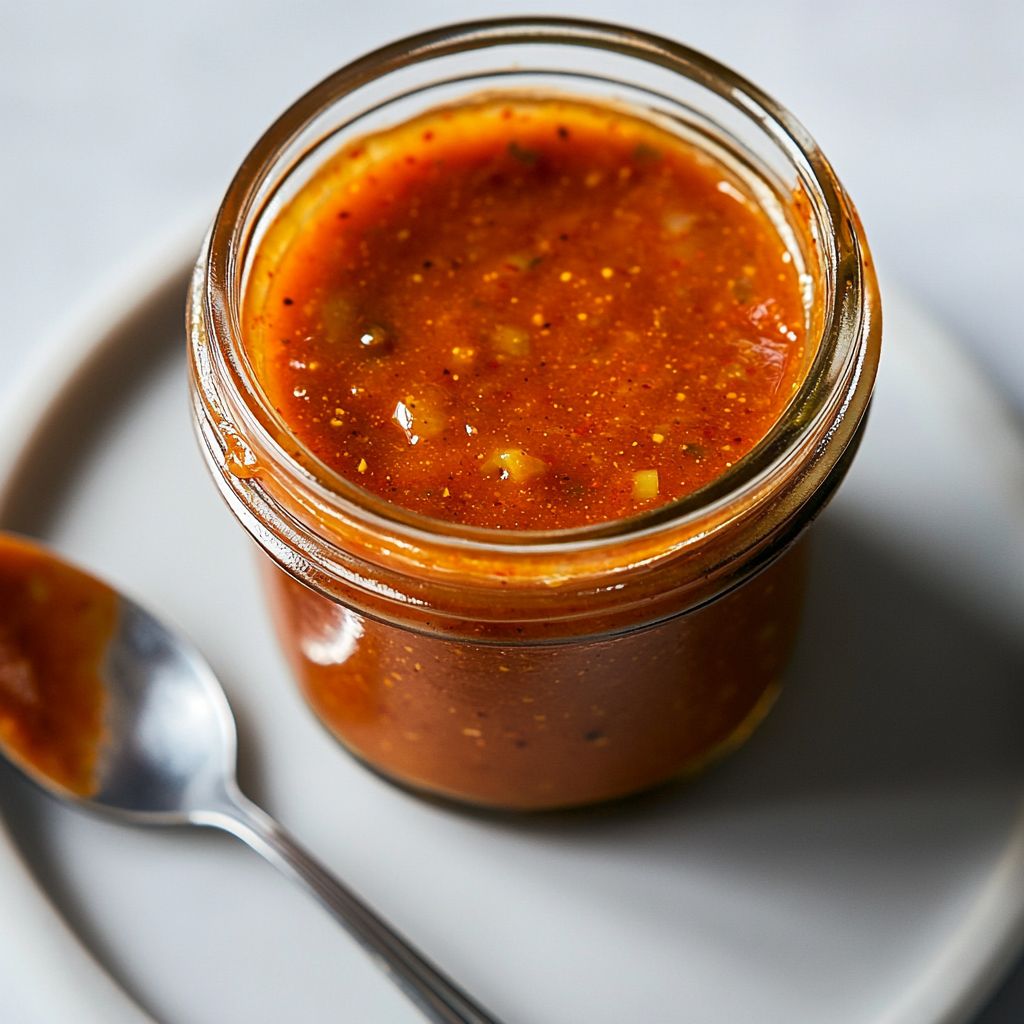
This Cajun sauce is a bold, tomato-rich base built from sautéed onion, celery, bell pepper, garlic and a kiss of paprika and cayenne. It can be simmered to a silky, flavorful finish or kept lighter with less reduction. Customize by adding sliced andouille, shrimp, or chicken for a hearty, Cajun-inspired dish, or keep it vegetarian by tossing in mushrooms or extra vegetables. If you’re dairy-free, skip the heavy cream or use coconut cream sparingly to maintain balance. To make this sauce gluten-free-friendly, choose a gluten-free Worcestershire sauce and ensure your stock is GF. It also benefits from a splash of hot sauce or extra lemon juice to sharpen acidity. Store leftovers in an airtight container in the fridge for 3–4 days or freeze for 2–3 months; reheat gently and adjust thickness with a little stock or water. Serve over rice, mashed potatoes, or pasta, and finish with chopped parsley or green onions for bright color and freshness. Always taste and adjust salt, heat, and acid at the end, since reductions concentrate flavors and can shift the balance.
Tips
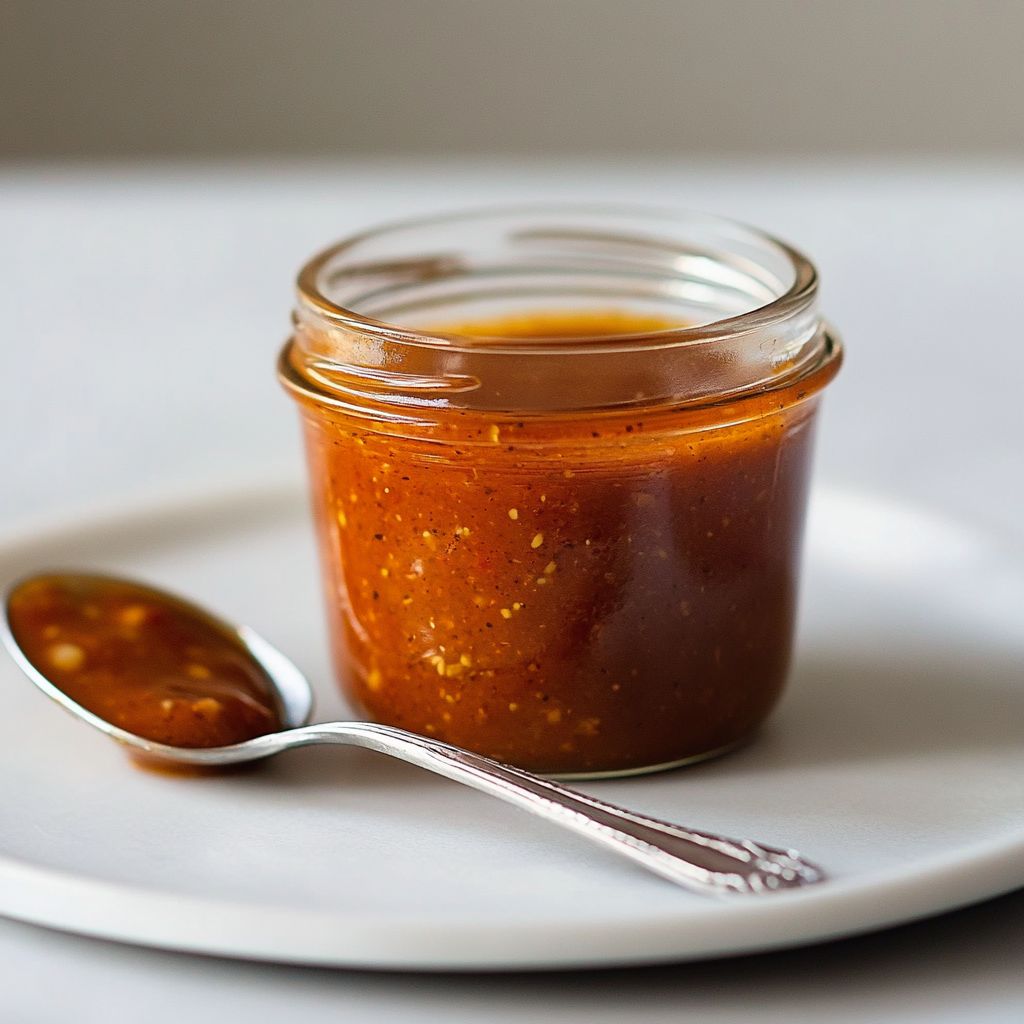
Tips for Making Cajun Sauce
- Use a wide, heavy skillet so the aromatics cook evenly and the sauce reduces without scorching.
- Cook the base vegetables until they are soft and translucent, not deeply browned, to keep the sauce bright and avoid bitterness.
- Finely mince garlic and add it after the vegetables have begun to soften; cook just 30–60 seconds to release aroma without burning.
- Bloom the tomato paste in the fat for 1–2 minutes to deepen its sweetness and color and help it integrate with the spices.
- Deglaze with a splash of stock or water after blooming the paste to lift browned bits and build flavor depth.
- Keep stock low-sodium so you can control salt as the sauce reduces; choose chicken stock for depth or vegetable stock for a lighter base.
- Choose crushed tomatoes for more texture or tomato sauce for a smoother finish; both work—pick based on the desired mouthfeel.
- Layer your seasonings by adding oregano, thyme, and smoked paprika early so their oils infuse into the base; remove the bay leaf before serving unless you’re tasting and decide to keep it longer for depth.
- Season gradually and taste as you go, because salt and heat intensify as the sauce reduces.
- Worcestershire provides umami; check for gluten if needed and consider a gluten-free alternative if required.
- Control the heat: start with 1/2 teaspoon cayenne and adjust gradually, since heat builds as the sauce thickens; add hot sauce toward the end to keep brightness.
- Finish with lemon juice at the end to brighten the sauce; if you don’t want citrus, a small splash of white wine vinegar works as an alternative.
- For a creamier version, swirl in heavy cream off the heat; dairy-free options include coconut cream or extra stock; add gradually to reach your desired richness.
- If using optional proteins, cook the sausage with the vegetables to render fat and develop extra flavor; add shrimp toward the end so they just pink and curl (about 2–3 minutes).
- Make-ahead notes: Cajun sauce often tastes better after resting; refrigerate up to 3–4 days and reheat gently, or freeze for longer storage.
FAQ
What is Cajun sauce?
Cajun sauce is a spicy, flavorful finishing sauce inspired by Louisiana Cajun cooking. It typically blends a Cajun seasoning mix—made from paprika, cayenne, garlic, onion, oregano, thyme, and black pepper—with a butter- or oil-based base and a dairy or stock component such as cream or chicken stock. It’s versatile for seafood, chicken, pasta, and vegetables.
What ingredients are in a basic Cajun sauce?
Common ingredients include: butter or olive oil, garlic, onion, Cajun seasoning (store-bought or homemade), chicken stock or cream (or dairy-free alternatives), lemon juice or hot sauce (optional), salt and pepper, and fresh parsley for finishing.
How do you make Cajun sauce from scratch?
1) Melt butter over medium heat and sauté minced onion and garlic until translucent. 2) Stir in Cajun seasoning to bloom the spices. 3) Add stock or water and simmer briefly to meld flavors. 4) Stir in cream (or dairy-free alternate) and simmer until slightly thickened. 5) Finish with lemon juice and adjust salt and heat to taste.
How do you adjust heat level?
Control heat by adjusting the Cajun seasoning amount. For milder sauce, use less seasoning or a milder blend; for extra heat, add more Cajun mix or a dash of cayenne or hot sauce. Always taste as you go and balance with a squeeze of lemon.
Is Cajun sauce dairy-free or vegan?
Yes. Use olive oil or vegan butter and replace dairy cream with coconut cream, almond milk, or another plant-based creamer. Check that the Cajun seasoning is gluten-free if needed. You can still achieve a rich texture with non-dairy options.
What dishes pair well with Cajun sauce?
Great for shrimp, chicken, or fish; toss with pasta; serve over steamed vegetables or rice; use as a dipping sauce for grilled corn or crusty bread; it also works as a finishing glaze for grilled tofu or halloumi.
How should Cajun sauce be stored and reheated?
Store in an airtight container in the refrigerator for up to 3–4 days. Reheat gently on the stove over low heat, stirring and adding a splash of stock or dairy-free milk if needed to return the sauce to desired consistency. Do not boil vigorously if dairy is used, to prevent curdling. For longer storage, freeze in portions.
Can Cajun sauce be made ahead?
Yes. You can make the sauce up to 1–2 days ahead and refrigerate. Reheat gently and adjust seasoning before serving to refresh the flavors.
What is the difference between Cajun sauce and Creole sauce?
Cajun sauce tends to be more pepper-forward with less emphasis on tomatoes, reflecting simpler Cajun seasoning. Creole sauce often includes tomatoes and a more herb-forward profile, sometimes with a sweeter or richer base. Recipes vary widely, but tomatoes and a more pronounced herb presence are common in Creole styles.
Can I customize Cajun sauce with add-ins?
Absolutely. Try adding lemon zest or juice for brightness, chopped parsley or green onions for color, capers for tang, roasted peppers for sweetness, or a splash of white wine before the stock. Adjust thickness with a small amount of cornstarch slurry if needed.